
4 Up-And-Coming American Cities That Should Be On Your Radar To Visit In 2026
Humans have long been drawn towards cities as hubs of change, innovation, and possibility. Urban areas have constantly pulsed with promises of better jobs, diverse cultures, endless opportunities for entertainment, health, and gathering. Across the U.S. alone, massive cities like New York with 8.3 million residents, L.A. with about 3.8 million, or Chicago with about 2.7 million people, sing songs of metropolitan living. These giants started small, often sparked by economic booms like trade ports or factories, and grew because they offered stability and opportunity. Folks flock there for the hustle, the thrum of energy of community and entertainment, educational opportunities, and endless commerce.
Not all cities expand at the same pace, some explode due to natural resources, or simply by word of mouth. Today, we are in a deeply urbanized era; by 2008, more than half of the world's population called cities home, and that trend has only intensified. What draws people to emerging spots now? It's a mix of affordability amid rising costs in other places, quality jobs in growing areas, and the ever elusive work-life-balance. Remote work has supercharged many people's ability to get up and move, letting people chase sunshine or lower tax rates without sacrificing their career. What if you still desire the amenities of a big city, without the squished in feeling of one? The trick is spotting these gems before they turn into overcrowded hotspots, hard to do in the era of social media. We dug into the data to highlight the cities on the rise for 2026.
If you're plotting a trip for 2026 or thinking about a big move, keep these four up and coming American cities on your radar: Myrtle Beach, South Carolina; Madison, Wisconsin; Vancouver, Washington; and Tulsa, Oklahoma.
Myrtle Beach, South Carolina
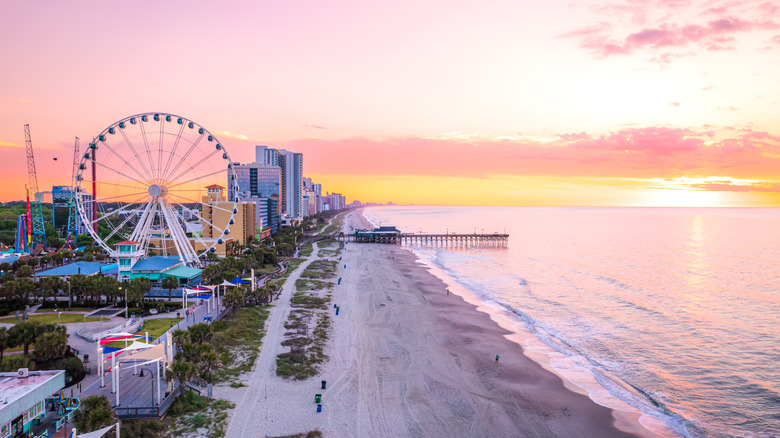
Found on the Atlantic coast, Myrtle Beach is a sunny escape that's evolving from a vacation spot into an affordable year-round haven. It has 60 miles of golden coastline where beach-combing, fishing, and kayaking can be everyday joys. The area has rebranded itself, shedding old nicknames for family-friendly vibes with pickleball courts, scenic trails, and public art installations. Locals freely offer southern hospitality and welcome newcomers, and the weather delivers about 215 sunny days a year, making time spent outdoors a constant.
Affordability is a big pull here. The cost of living is about 6% below the national average. Housing is 28% cheaper than the national average, bringing in anyone who's searching for some financial breathing room. Myrtle Beach also has award-winning schools, two universities, a technical college, and various educational opportunities within the trades. The state currently tops the list of states that brought in newcomers in 2025 according to Movebuddha, and has held this top spot for the last six years. Myrtle Beach itself has a 3.28 in-to-out move ratio, meaning for every one person leaving, there are almost four people moving in. This is the highest ratio amongst American cities, a trend showing that people are beginning to favor mid-sized spots over megacities.
Myrtle Beach has grown about 1.9% annually, largely fueled by low tax rates, strong infrastructure, and economic stability. For those living here, their quality of life is strong, with temperate weather, endless outdoor recreation, and a relaxed pace of life. It's known as a great budget-friendly South Carolina beach spot.
Madison, Wisconsin
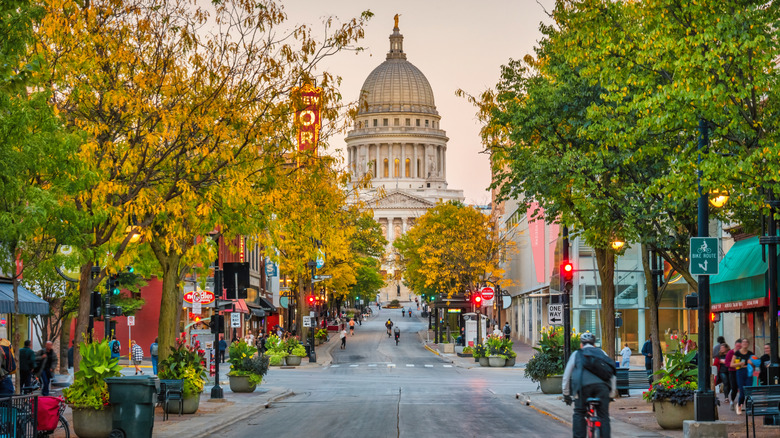
Madison offers a blend of small-town coziness with the energy from a larger city, creating a beautiful mix for those wanting both. Built on an isthmus between Lakes Mendota and Monona, it's one of the two major U.S. cities found in such a spot. It's surrounded by five lakes that provide year-round water sports and adventures. The University of Wisconsin, Madison is a leading research university, providing the city with a youthful and vibrant energy, while keeping the median age to about 31 to keep things fresh and dynamic. Even Samantha Brown was surprised she fell in love with it.
People are drawn here because of their purchasing power. It's ranked among the top 10 most affordable cities for living and working by Goodhire. The city's housing market turned heads in 2022 as one of the country's best. The cost of living here is 55% lower than New York, and 11% lower than Portland, Oregon, appealing to those looking to ditch the expensive metropolises.
Unemployment hovers just under 3%, better than the national average, signaling a great job market and economy. The livability of Madison is also where it shines, making the list of the 100 best places to live by Livability, thanks to its beautiful landscapes, friendly neighbors, diverse communities, thriving arts scene, strong food scene, and bountiful outdoor recreation. It's a winner for quality of life, offering urban charm without chaos.
Vancouver, Washington
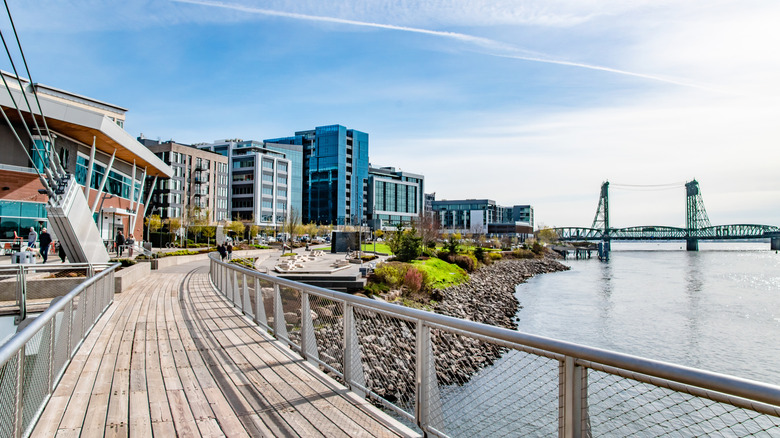
Across the Columbia River from Portland, Oregon, Vancouver delivers Pacific Northwest allure with a more affordable price tag. Located between the Cascade mountains and Pacific Ocean, it provides a beautiful backyard for nature explorers. Downtown is alive with wine bars, vintage shops, and food trucks. The Waterfront Renaissance Trail stretches more than four miles, connecting parks and historic sites like Fort Vancouver. It's a great spot for history buffs to add to their bucket list.
Vancouver's budget-friendly lifestyle truly sets it apart, with a cost of living 9% less than its neighbor across the river, and 35% less than Seattle, offering a financially fiscal way to enter into the PNW, and some might find the lack of state income tax a delight. It too made Livability's list for the top 100 best places to live for 2025, offering strong job markets, excellent schools, outdoor abundance, and a high quality of life. The economy is built on small businesses, which make up about 95% of the industry, and tech startups in the "Silicon Forest." The city is incredibly welcoming and inclusive with a proud LGBTQ+ community and festivals galore.
Vancouver ranks third for popular 2026 moves according to Movebuddha, with a 1.57 in-to-out ratio, meaning there are more arrivals than departures. Its growth stems from investments in development, schools, and a burgeoning food scene.
Tulsa, Oklahoma
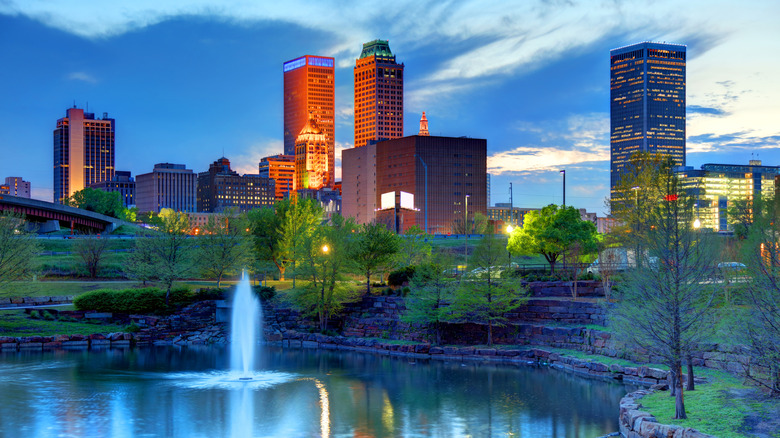
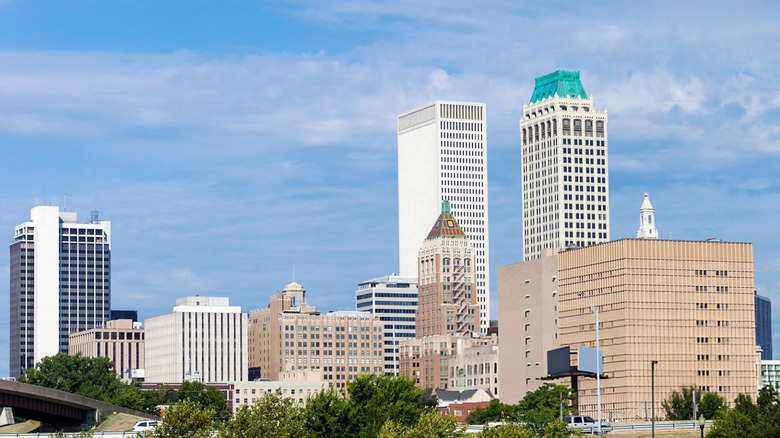
Tulsa might not scream move here at first glance, but this Oklahoma gem is quietly winning over newcomers with its underrated mix of culture, nature, and affordability. As the state's second-largest city, it sits in "Green Country," surrounded by trails, rivers, and parks that make outdoor excursions a daily occurrence. There are miles of bike paths connecting the city and disc golf is huge here, even including a championship course. The eclectic scene offers Art Deco architecture, indigenous heritage, cowboy lore, and a thriving arts hub complete with museums, galleries and performance venues.
Ultra low costs are the magnet here. Living expenses are 16.5% below the national average, housing is 35% cheaper, and a one bedroom apartment costs under $1,000 a month — truly a rarity. To live comfortably, a single person need only aim to make $56,000 before taxes. Jobs span a wide range of sectors, and are bolstered by a modern public transit system and strong family-oriented community. Tulsa is also known as one of the best for remote workers, thanks to the Tulsa Remote program which offers up to $10,000 in grants to newcomers that are committed to staying for a year. This has helped build one of the largest remote worker communities in the nation.
Tulsa has a 1.57 in-to-out move ratio, and affordability stats from Gobankingrates consistently name it as one of the country's most affordable spots. Livability thrives on sunny, temperate weather, friendly hospitality, and great entertainment. This is a must-see, under-the-radar city.
Methodology
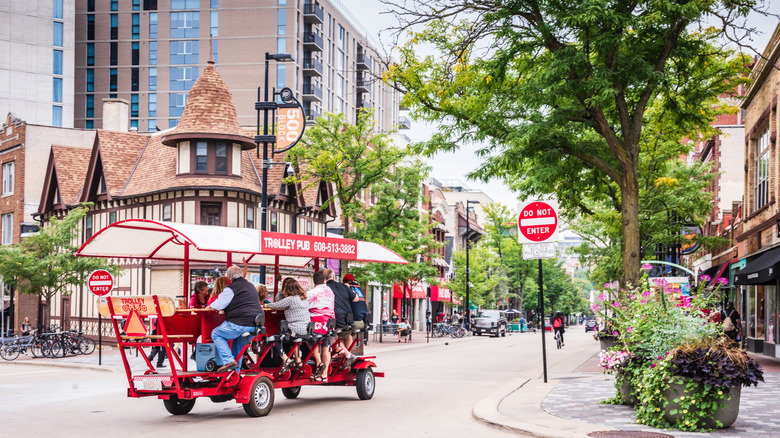
To create this list, data was examined on cities that are poised to grow in 2026, drawing from information from the U.S. Census Bureau population estimates and projections, alongside state projections. Economic indicators like job markets, unemployment rates, and business incentives were analyzed for stability or growth. Affordability metrics like cost of living, housing prices, and income needs were compared to the national average. Livability and quality of life scores were taken from numerous rankings and cross-referenced against multiple "best cities" lists for emerging hot spots focusing on sustainable quality of life with growth in their present and future.