

Europe's Top 5 Cities With The Most Tourist Crowds
Europe's most crowded cities may have high visitor numbers, but that shouldn't put you off. Paris, Rome, London, Istanbul, and Barcelona consistently pull in thousands of travelers each year from around the world. In many cases, this places pressure on historical sites and popular landmarks even outside traditional peak season. The global appeal of these cities means they're constantly busy, and the mass tourism they experience makes them victims of their own success.
Free museums, religious sites, and condensed historic centers are all contributing factors to the crowding problems they experience. But don't let the large crowds of tourists discourage you from visiting. As Rick Steves points out, some of Europe's biggest attractions are worth visiting despite having to share them with thousands of others.
Understanding tourist behavior in your chosen city and planning your visit accordingly can drastically change your whole experience for the better. This could be as simple as changing the order of your activities, the time of day, or how long you linger. It could mean slowing down and staying longer to avoid queues or crowds. It could even be as simple as changing your expectations, putting your brave adventurer hat on, and becoming more spontaneous.
Paris, France
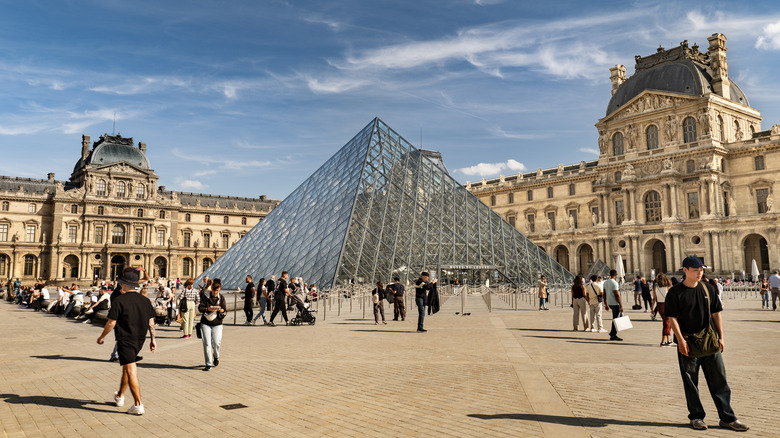
Paris, the city of love and lights, is also one of the world's greatest centers for art, history, and, of course, delicious cuisine. This is why it has held onto its title of the world's most appealing city for tourism for the fifth year, according to Euromonitor. Paris welcomed 18 million visitors in 2025, drawn by iconic sights like the Eiffel Tower, the Louvre, and the Arc de Triomphe. The already high visitor numbers were boosted further in 2025 by the after-effects of two major events — the Paris 2024 Olympic Games and the reopening of Notre-Dame Cathedral following extensive damage from a devastating fire in 2019. The global exposure generated by these events has led to significant upgrades to the city's infrastructure, including improvements to transport systems and public spaces to accommodate the increase in visitor numbers.
Paris also tops the tourist density index with over one million stays per square mile, which helps explain why it also has one of the highest concentrations of short-term rental apartments. But, the city is doing its bit to reduce environmental impacts and continues to rise up the Global Destination Sustainability Index rankings.
Art and history lovers are unlikely to be put off by the crowds of tourists, thanks to the sheer number of museums and galleries that are spread across the city. That said, if you're going to visit the destinations in Paris that you need to see at least once, keep to one major sight per day and spend the rest of the time exploring the surrounding neighborhood. Much of the congestion is caused by tourists zigzagging across the city to fit in as many popular landmarks as possible.
Rome, Italy
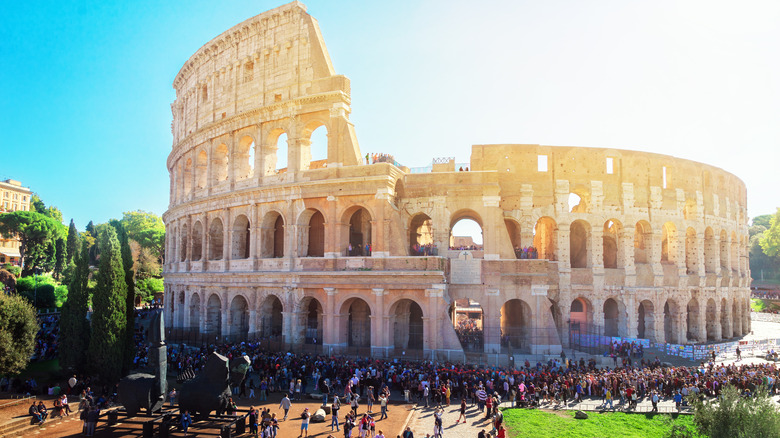
One of the great advantages of Rome is that many of its main tourist attractions are within walking distance of each other. But that inevitably means a large concentration of tourist crowds all in the same place. Rome has always attracted high visitor numbers, with travelers keen to see sites like the Colosseum, the Trevi Fountain, and the Pantheon.
2025 was particularly intense due to the Catholic Jubilee. More than 33 million pilgrims arrived in the city on top of the 35 million other visitors. Needless to say, this made the already crowded city particularly congested, putting extra strain on transport and accommodations. Besides that, Rome saw several luxury hotel openings, and continued upgrades to Rome Fiumicino Airport, which reported record passenger volumes.
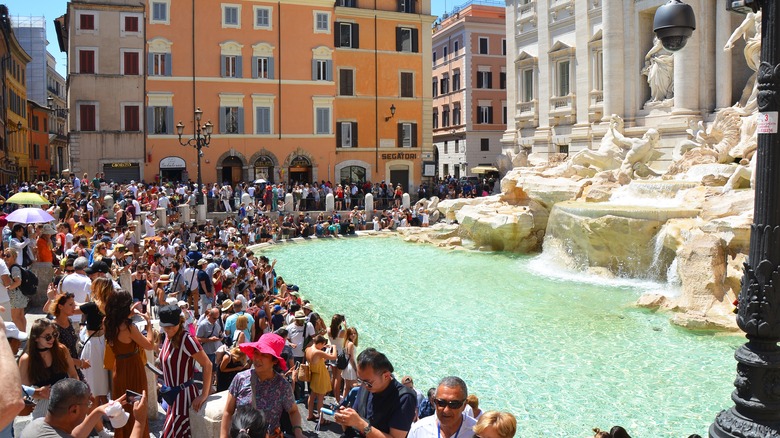
The rise in visitor numbers has put increased pressure on Rome's historical monuments, leading to stricter measures to manage crowds and limit the damage done by overtourism. Reservation requirements, timed entry systems, and visitor caps are now common at major sites, with the most recent change being the planned entry fee to access the basin area of the Trevi Fountain. From February 2026, the roughly $2.30 charge will help protect the fragile site and control visitor numbers. Rome's largest crowds gather between 11AM and 3PM, so it's best to be strategic and get to any major site you want to see by opening. You can then spend the rest of the day wandering around less touristy districts such as Testaccio or Trastevere. Rome is at its best when you let your feet take you no place in particular. This is when you'll find lots of hidden squares and small churches just waiting to be discovered.
London, England
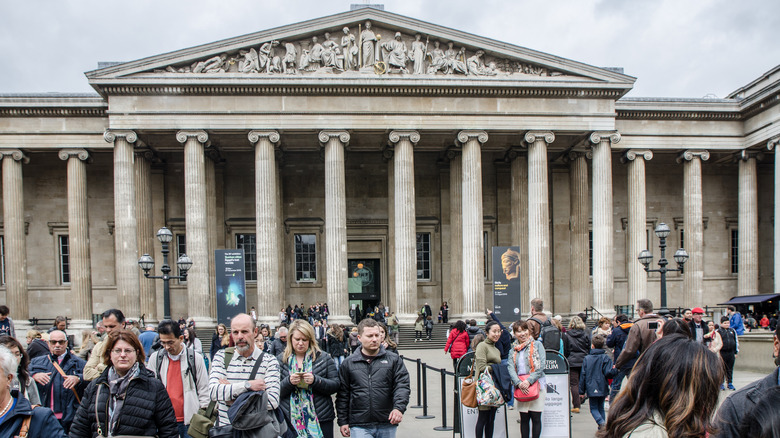
An estimated 22.7 million people flew into London in 2025. This was made easier by the fact that six airports serve the capital, with Heathrow, Stansted, and Gatwick airports handling the majority of international arrivals. Visitors are drawn by historic palaces, iconic landmarks, and world-class museums, with many of the most popular attractions being free, which has a direct impact on crowd levels.
The British Museum and Natural History Museum each welcomed more than six million visitors, making them the most visited attractions in the U.K. Like other major European cities, London is positioning itself as a more sustainable tourist destination, prioritizing green spaces and public transport options while meeting the environmental needs of its residents. Long-term plans are for London to become a net-zero carbon city by 2030.
Tourist crowds in London are constant rather than seasonal, although July and August are the busiest months. Unlike other cities with compact historic centers, London's attractions are spread out across a larger area, with the most concentrated crowds found near the free museums where there are no entry caps and long queues. So, while London rarely feels empty, it's possible to find relief from the crowds just by changing neighborhoods. London works well for slow travelers who have the time to spread out visits over several days. To make your visit more enjoyable, aim to visit popular sites on weekday mornings or take advantage of late-evening openings. Planning each day around a single district, such as Greenwich or Shoreditch, avoids having to go back and forth across the city.
Istanbul, Turkey
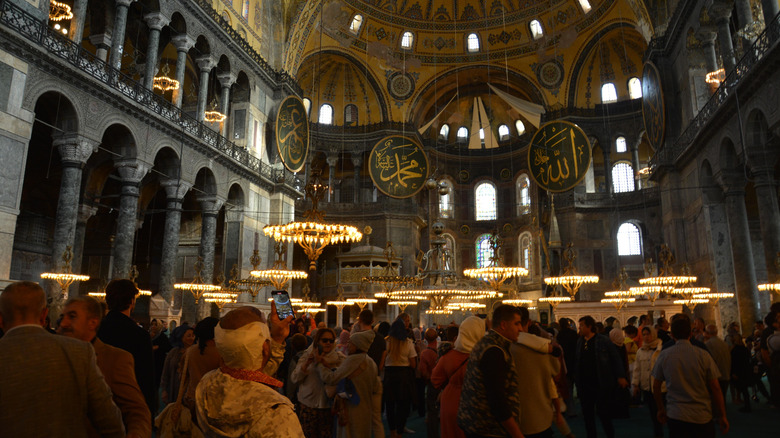
As the former capital of the Ottoman, Byzantine, and Roman empires, Istanbul is a thriving city shaped by centuries of history and a unique blend of east and west cultures. Nearly 20 million visitors came to Istanbul in 2025, flocking to see historic landmarks such as the Hagia Sophia, the Blue Mosque, and Topkapi Palace.
Like most big cities, visitor numbers spike in July and August, but the high concentration of historic, religious, and cultural attractions makes it a popular year-round destination. Many of the city's landmarks are located in Sultanahmet, which can experience overwhelming crowds, especially when cruise ship tour groups arrive. This means long queues, congested streets, and crowded squares.
Istanbul works well for culture seekers, history enthusiasts, and food lovers who appreciate the rich diversity of flavors in local dishes. For those who prefer calm open spaces, head into the quieter neighborhoods or stretches of waterfront. The cost of living in Istanbul is generally lower compared to Paris, London, and Rome, making it an appealing destination for budget-conscious travelers. Istanbul's approach to overtourism may be less formalized than in some western European cities, but the city's official tourism organization, Visit Istanbul, is committed to promoting sustainable travel, raising awareness on responsible tourist behavior, and prioritizing the preservation of historic monuments.
Barcelona, Spain
France may be the most visited country in Europe, but Spain may soon steal its crown. Record numbers of tourists in 2025 led to some high-profile protests around the country, putting the overtourism problem into the spotlight. Long-term forecasts suggest that Spain could overtake France by 2040, with visitor numbers projected at 110 million compared to France's 105 million.
Among Spanish cities, Barcelona is ahead of Madrid, attracting an estimated 16 million annual visitors. It may be one of the more expensive cities in Europe, but it continues to draw travelers with its blend of history, architecture, sun, sea, and sand all rolled into one, as well as being one of the top nightlife destinations in Europe.
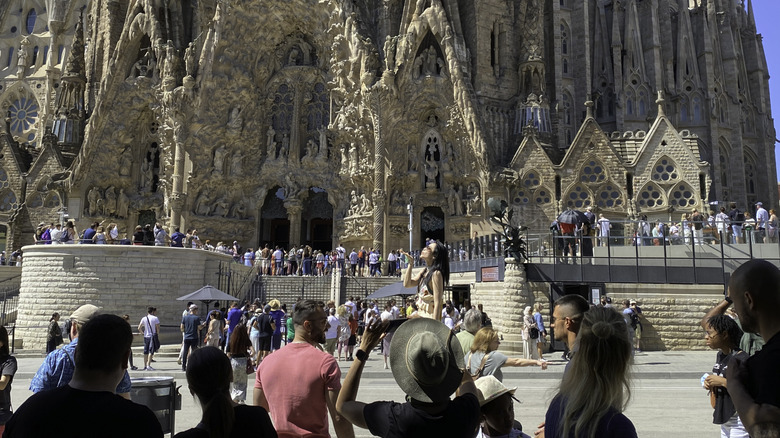
The Antoni Gaudí-designed buildings, such as the Sagrada Familia and Park Guell are some of the main attractions, drawing intense crowds year-round. But this is especially true in summer, when day-trippers, cruise ship passengers, and beachgoers push numbers up. If you're willing to travel during shoulder seasons, you'll avoid the congestion while still enjoying the pleasant weather. Being at the center of the overtourism debate has pushed Barcelona to provide a sustainable tourist management plan, which includes phasing out vacation rentals by 2028 after protests by residents concerned about quality of life and rising housing prices. Don't let these recent events put you off, though. The key to an enjoyable visit is flexibility. If you're visiting a Gaudí site, be sure to reserve ahead, then explore the surrounding quieter parts of the city. Choose to eat or go to the beach earlier or later than usual to avoid the crowd overlaps. If you're happy to spread your activities out, you'll vastly improve your Barcelona experience.
Methodology
We compiled this list of Europe's top five cities with the most tourists based on recent international visitor numbers to Europe's most visited cities, using data from the 2024-2025 tourist season. Although primarily based on arrival figures, the list is supplemented by information on tourism density, consistently high yearly crowds, seasonal demand, global travel rankings and sustainability measures put in place to ease overtourism. Additional information was gathered from credible travel organizations that produce annual visitor and destination reports.