

The Dangerous Reason You May Want To Avoid Swimming At This Iconic California Beach
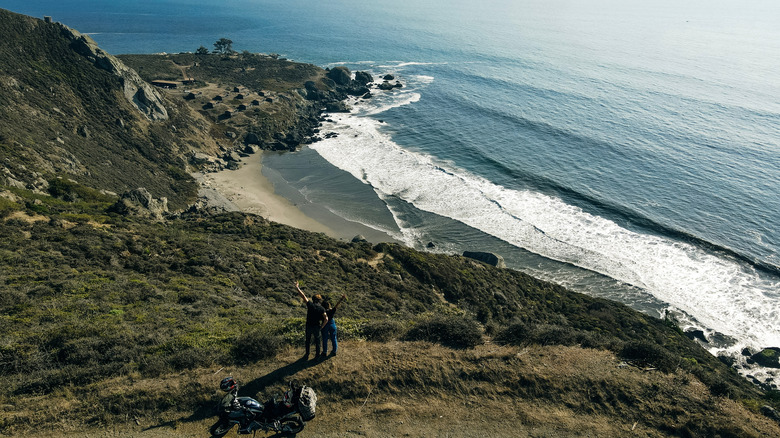
There are some beaches you just can't help but fall in love with — especially in a place like California, known for its breathtaking coastline and nonstop surfing. Among the most spectacular beaches to enjoy nature's beauty, far from the stress of city life, is Stinson Beach. Known for its soft, white sand stretching nearly three miles and its stunning views of the Pacific Ocean, Stinson Beach offers a perfect setting for swimming, surfing, picnicking, playing volleyball, and more. But beneath all of those scenic promises lies one unsettling fact: The beach is considered a high-risk area for shark encounters.
Although shark attacks aren't a daily occurrence here, there have been a few reported cases. So it's crucial for beachgoers to stay alert to the real danger. What makes Stinson Beach especially risky is its location within a region known as the Red Triangle, which stretches from Bodega Bay down past the Farallon Islands. The waters in this area — including those near Stinson — are rich with navy seals, elephant seals, and sea lions, all of which are ideal prey for great white sharks. In fact, a 2022 study found that roughly 38% of white shark attacks in the U.S. have been recorded in this Red Triangle, which is why it's important not to be careless when visiting Stinson Beach.
Exercise caution when swimming at Stinson Beach
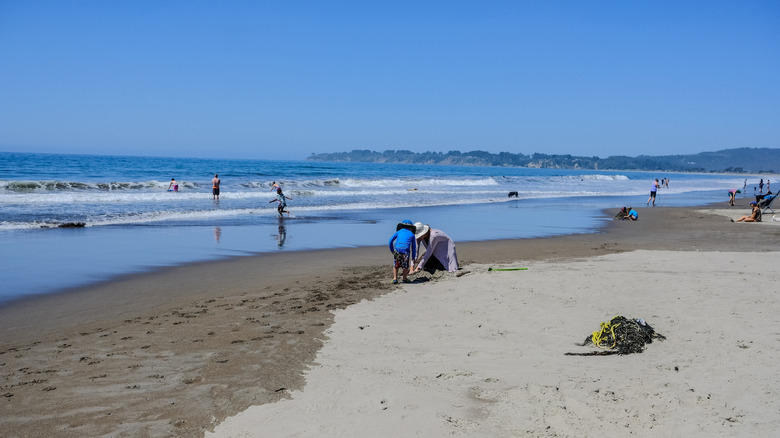
Without a doubt, Stinson is a California beach where swimming requires serious caution. While shark attacks are rare, they remain a key reason to be wary in the water. In one case from 1998, a 16-year-old bodyboarder named Jonathan Kathrein was brutally attacked by a great white shark. He barely survived, needing more than 600 stitches along with other treatments. A few years later, in June 2002, a 24-year-old surfer named Lee Fontan was yanked from his board by a 15-foot white shark, and he required about 100 stitches to recover. The beach had to be closed for several days afterward.
Beyond sharks, another good reason to avoid swimming here is the presence of dangerous rip currents. These can form without warning, turning even shallow water into a hazard. Visitors may also be caught off guard by rough surf, sneaker waves, shifting sandbars, and unpredictable tides — all of which can make a beach day riskier than expected. Still, that doesn't mean you can't enjoy the peace and beauty of Stinson Beach. You don't need to be scared — just aware. With the right precautions, you can safely enjoy all the experiences the beach has to offer.
How to stay safe without diminishing the beach magic
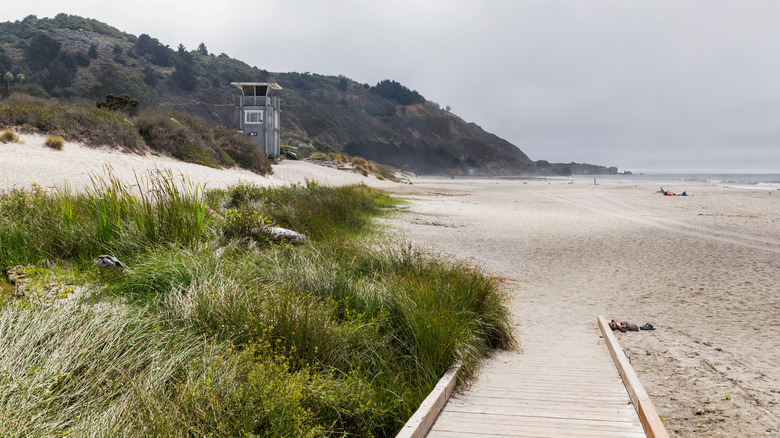
Should Stinson Beach be considered off-limits? Absolutely not. And you don't have to avoid the water entirely, either. So what's the smart approach? Stay within marked zones — and if you choose to swim, do it only when lifeguards are on duty. Stinson Beach is the only swimming beach in the Golden Gate National Recreation Area that has a staffed lifeguard program. However, lifeguards are typically only present from the first week of June through early September. Another essential tip: never turn your back on the waves. Always check the weather, and be mindful of surf conditions. For current forecasts and safety updates, consult the National Weather Service for the San Francisco Bay Area. The National Park Service website is also a great resource to help you stay informed.
If you're the adventurous type who still wants to paddle out or take a board, it's smart to go with someone you trust and stick together. Most importantly, stay alert and watch for warnings. Stinson Beach has permanent shark warning signs in place, along with active beach patrols. Drone surveillance is also being implemented. If you see anything unusual — suspicious splashes, birds circling, seals acting erratically — your safest move is to calmly exit the water and notify a lifeguard.