

What Travelers Should Know About Europe's Stricter Rules In Its Most Popular Countries
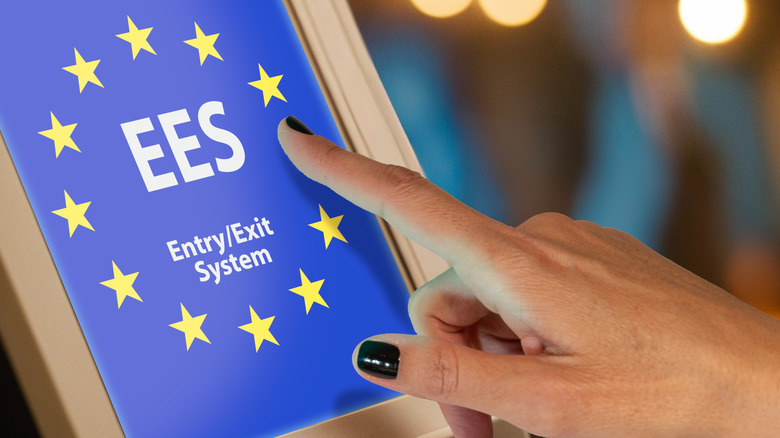
Travelers heading to some of Europe's most-visited destinations should be prepared for some stricter security changes that could disrupt travel plans and lead to longer delays. As the European Union rolls out its new Entry/Exit System (EES) — a digital border process that registers the entry and exit of non-EU travelers — identity checks and more rigorous visa screenings are being applied in popular countries such as Spain, France, Italy, Switzerland, Germany, Austria, Poland, and more, affecting citizens from non-EU countries. And now, the U.K. Foreign, Commonwealth & Development Office (FCDO) has issued a new comprehensive travel advisory warning British travelers of tighter border controls across the Schengen area and other parts of Europe following rising security concerns, an increase in asylum claims, and growing political pressure on border enforcement.
As the travel advisory came into effect, travelers have already experienced longer queues at some of Europe's larger airports. Airports Council International Europe said (via VisaHQ) that border control processing times had increased by 70% since EES' biometric screening was introduced in October 2025, creating longer queues and frustrated passengers. This means that if you've already planned your perfect European travel itinerary, you may potentially need to change those plans to allow for extra time and make sure your documentation is in order, including visas, identification, and biometric data registration.
How stricter border controls are affecting European countries
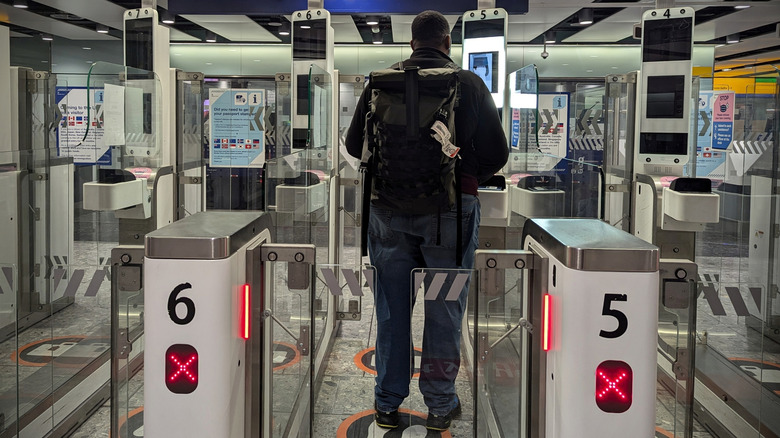
As these European countries move to stricter digital border controls, biometric data such as fingerprints and photographs are becoming standard for non-EU travelers as passport stamping is gradually being phased out. Visa-free entry still exists, but it now comes with a required pre-travel authorization from the European Travel Information and Authorisation System (ETIAS). You can expect less tolerance and flexibility at border control for any missing paperwork or overstays.
Here's what's happening in some of the most popular European countries. As one of the most visited destinations in the world, Spain is already feeling the pressure on the border infrastructure. While there are no routine security checks within the Schengen area, biometric registration is required for non-EU travelers. Although Switzerland isn't part of the EU, it is part of the Schengen area, and like Spain, has implemented stricter border controls that include biometric checks. In France, stricter visa requirements and increased border checks may mean additional documents may be required proving that you have accommodation and travel insurance already in place.
In Italy, recent terror attacks in the country have led to increased security measures in many public spaces and touristy areas. Germany, too, has been subject to recent terror attacks and has increased identity checks at borders and major transport hubs. As Poland is on the border with Ukraine, there are already increased border security checks and travel document screening, especially where military strikes have occurred close to the Polish border. Austria, considered one of the safest countries to visit, may not border on Ukraine, but its neighbors, Slovakia and Hungary, do, meaning there is increased vigilance at certain borders.
How to prepare for border restrictions on your next trip to Europe
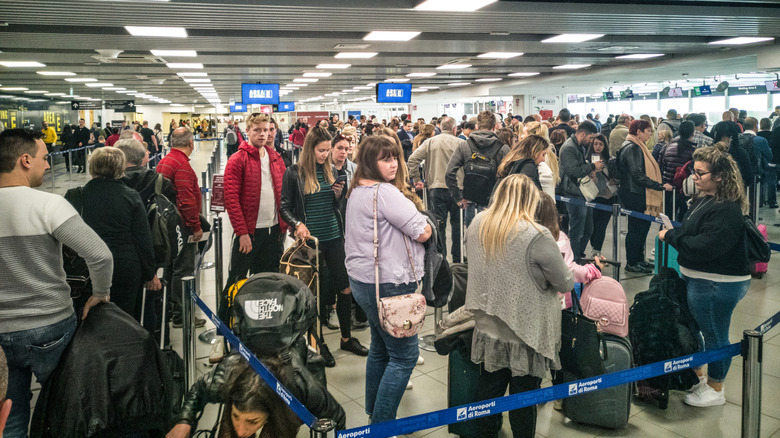
So how will these changes affect you on your next trip to Europe? Well, there will inevitably be longer delays and queues, especially during peak travel periods and in larger international airports. But there are certain precautions you can take beforehand, and with a little preparation, you'll navigate European airports more easily and keep frustrations to a minimum. Firstly, make sure your travel documents are valid, up to date, and in line with each country's regulations and security protocols. According to ETIAS rules, visa-free travelers need to apply for online travel authorization before traveling, and you'll need approval before boarding.
You should also keep up to date with local news and follow any guidance from local authorities, especially concerning regions in politically unstable areas. When entering an EU country, the EES rules apply, and you'll need to register biometric data — fingerprints or a facial image. To speed this screening process up as much as possible, make sure you have all your documents ready and give yourself plenty of time to allow for delays and additional checks or security questions. Airline companies in France have already warned passengers to arrive at the airport at least three hours early if traveling onward. And in some cases, documents should also include proof of accommodation, insurance, and return travel.