

Italy's Largest National Park Is A Mountain Gem With Scenic Waterfalls And Hiking Trails
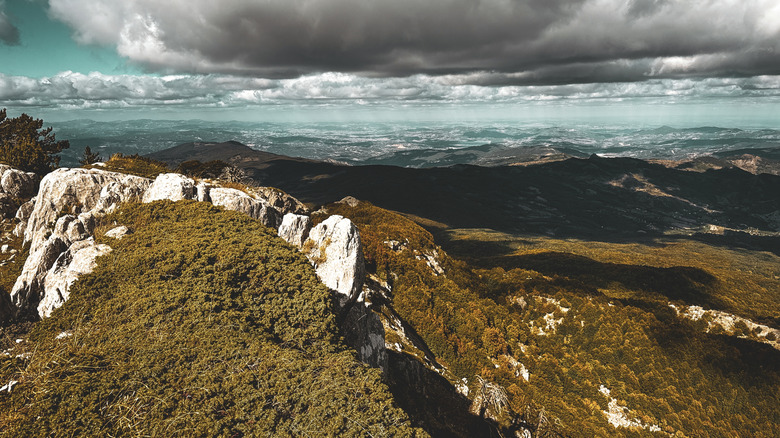
There are few places left in Italy that can really be described as under the radar, but the region of Calabria in the toe of the Italian boot remains a hidden gem. Filled with dreamy coastal towns and Mediterranean beaches, this corner of southern Italy is simple, rustic, and laid-back, operating at a slower pace and with a gloriously relaxed atmosphere. Its authentic cuisine makes it a foodie heaven, and it is one of the best places in Italy for a crowd-free getaway. Calabria and the neighboring region of Basilicata are also home to Italy's largest national park, which covers 743.5 square miles of extraordinary mountain wilderness filled with pine forests, alpine meadows, thundering waterfalls, and some of the best hiking trails in the country.
Pollino National Park sits across the provinces of Cosenza, Matera, and Potenza, straddling Calabria and Basilicata. It is a remote spot that is not well served by transport infrastructure, so arriving can be a challenge. The closest airport is Lamezia Terme, just under a 90-minute drive away, with Bari and Naples airports both a bit more than a two-hour drive. While exploring without a car is difficult, it is not impossible; there is a train line that runs down the Tyrrhenian coastline. There are also local buses that offer infrequent services to Pollino National Park from cities in Calabria and Basilicata, the latter being home to the intriguing city of Matera, where you can learn more about Italy's history by visiting the city's ancient cave dwellings.
Pollino National Park's glorious nature
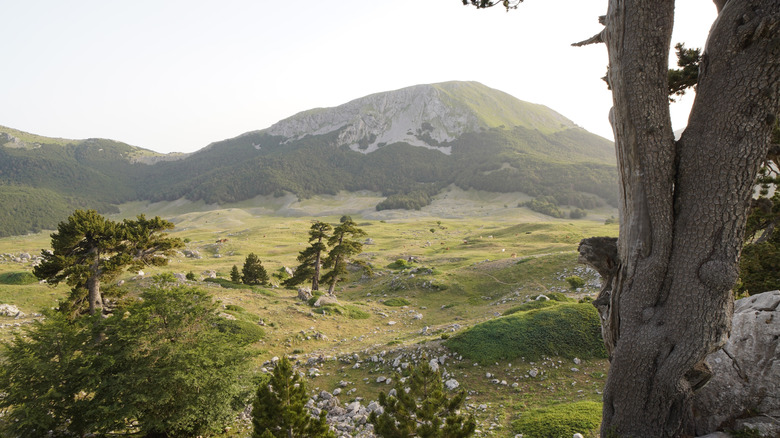
Defined by the snow-capped summits of the Pollino and Orsomarso massifs, the national park is a glorious, majestic landscape. From sheer cliffs and jagged peaks to plunging waterfalls and wild river torrents, it is an untamed, reckless countryside filled with fascinating wildlife and some picturesque greenery. The iconic symbol of the park is the Loricato or Bosnian Pine, a rare species described as the "warrior tree" thanks to its rugged, resistant nature that allows it to thrive at altitudes that other trees cannot tolerate. Pollino is also the home of a true living fossil, a Heidrich's Pine estimated to be over 1,230 years old, making it the oldest tree in Europe. Exploring the park brings visitors face-to-face with some exceptional and unusual wildlife, hardly surprising for one of the most important areas for biodiversity in southern Italy. Wild boar and roe deer graze on Mount Orsomarso, while wildcats, otters, and even a few wolves roam under the cover of the forest canopy. Golden eagles, red kites, and peregrine falcons soar above the clouds, while eagle owls and a wide variety of bats bring the night to life.
The best way to get to grips with Pollino's fantastic array of flora and fauna is to head out on foot, trekking along some of the park's superb hiking trails. The park's official website has some excellent recommendations, with highlights in the shape of the 6-mile route from Rifugio Pino Loricato to Serra di Crispo and the excellent 4-mile trek through the forest from Colle dell'Impiso to Piano Gaudolino. For a more thrilling experience of Pollino's landscapes, consider a guided canyoning tour of one of the park's many deep gorges, which you will traverse by jumping, sliding, and swimming. You might not do much forest bathing on this adventure, but you'll surely be sprayed by a few waterfalls.
Sanctuaries, shrines, and beautiful villages
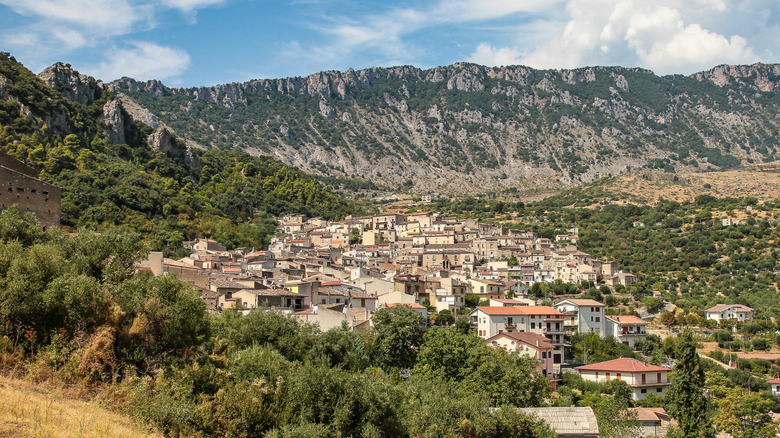
Alongside all the marvelous attractions of the great outdoors in Pollino, there is a wealth of cultural beauty and fascinating history to discover in the surrounding area. This part of Italy is one of the epicenters of Italo-Albanian culture and boasts communities with deep Albanian roots. The ancestors of people living in these communities came over from Albania over 500 years ago, and their traditions are still very much alive. Civita, on the Calabrian side of the park, has to be one of the most beautiful villages in Italy that you've likely never heard of, and it's well worth exploring. Its charming Museo Etonico Arbresh offers a chance to dive into the rich history and culture of the Albanian community in Italy, while the stunning church, the Chiesa di Santa Maria Assunta, is decorated with Byzantine mosaics and paintings.
For such a wild, remote place, there are a surprising number of gorgeous places of worship. On the other side of the park from Civita, the Sanctuary of the Madonna del Pollina offers an oasis of peace and mindful tranquility, and the attached Pilgrim's House is an ideal spot for travelers looking for a spiritual retreat. Another similar spot is the Shrine of Santa Maria delle Armi, a breathtakingly beautiful spot on the slopes of Mount Sellaro, just outside the town of Cerchiara di Calabria. Worshippers have made pilgrimages here for hundreds of years to visit the site of a miraculous apparition, as well as explore the caverns and admire the adjoining Ducal Palace.