

This Non-Profit Offers Immersive Wilderness Education In US National Parks
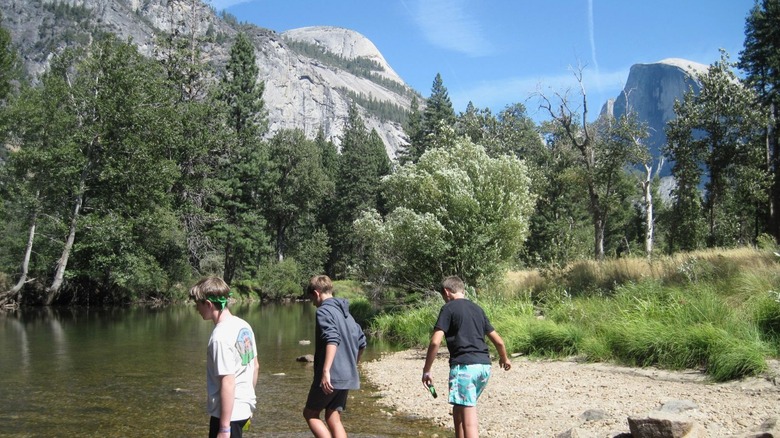
Moving the learning experience from the four walls of the classroom to the wide-open wilderness of our U.S. National Parks is the inspirational idea behind outdoor education non-profit NatureBridge. Founded in 1971 by high school teacher Don Rees after an enlightening trip to Yosemite National Park in California with 50 students, NatureBridge has continued to grow in both scale and purpose and now welcomes more than 30,000 students onto its campuses each year. The nature-based learning organization provides $1.1 million in scholarships to schools short on resources and has since become the largest education partner of the National Park Service.
Also operating in Olympic National Park in Washington, Golden Gate National Recreation Area in California, and Prince William Forest Park in the D.C. Metro area of Virginia, NatureBridge has transformed the outdoor learning experience for youngsters in grades 4 to 12, giving them the chance to explore the wonders of the natural world while taking their own journey of self-discovery. The multi-day immersive educational programs teach skills that can't be learned in the confines of the classroom, helping young people gain confidence and develop an understanding and respect for the natural world. Some of the students haven't set foot on national park land before and are exploring these new environments for the first time. By opening up the outdoors to those who may never have had the opportunity, NatureBridge is setting the standard for wilderness education programs nationwide.
Wilderness education programs at NatureBridge
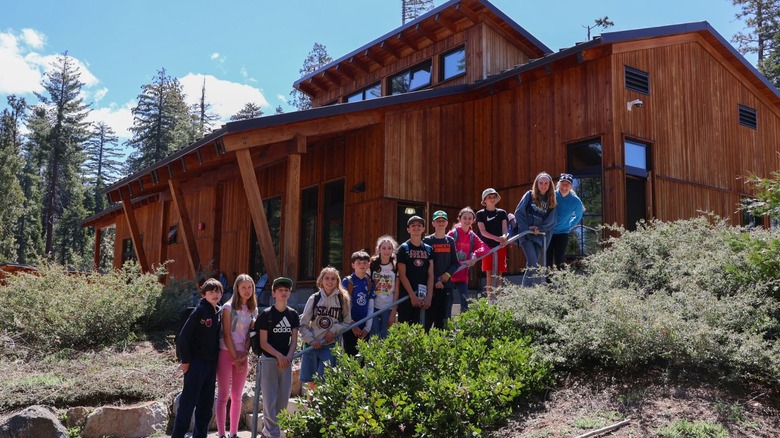
The programs offered by NatureBridge cover a wide range of activities set in some of the most inspirational landscapes in the country, from coastal wetlands to thick forests and mountainous terrain. Designed to spark an interest in STEM subjects, they provide hands-on learning experiences for different age groups and are committed to providing equal opportunities to students from all backgrounds. The school and group environmental science programs give students the opportunity to hit the trails and really immerse themselves in their new surroundings, much like this other non-profit does with their unique hiking experiences.
Through field-based learning, they explore ecology, geology, current environmental issues such as climate change, crucial wildlife tips, and important national park safety advice, which help the students understand their impact on nature and actions needed to safeguard its future. At Yosemite National Park, students can also participate in research projects like water quality monitoring and conifer removal for fire management. The recently opened National Environmental Science Center, located just 15 miles from Yosemite Valley, is a permanent base with well-equipped bunkhouses and all the facilities needed for multi-day residential excursions.
At Golden Gate Recreation Area, students learn about the ocean, wetlands, and ocean conservation. In Olympic National Park, learning is based more on forest and river ecosystems, while at Prince William Forest Park, students explore D.C. Metro's biggest green space. Programs run from two to five nights and are led by experienced, qualified educators who are happy to share their knowledge and enthusiasm to help students realize what they're capable of. NatureBridge also runs summer programs, each one bringing participants together to create lasting connections with science, nature, and themselves.
The benefits of wilderness education for young people
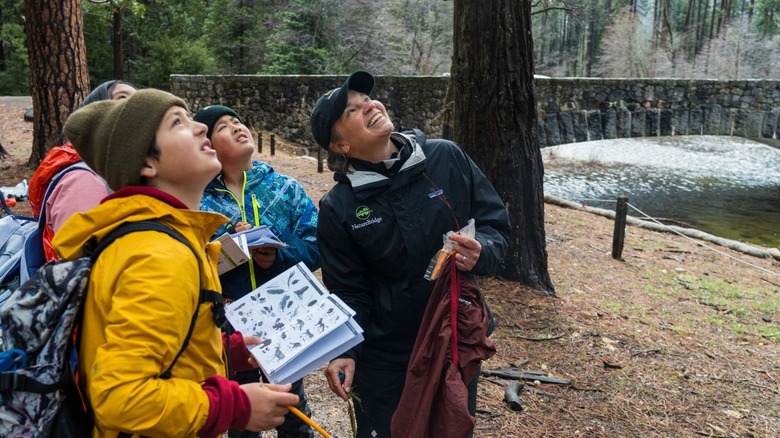
The impact of NatureBridge education programs on young people has been nothing but positive, with teachers and parents noticing a real change in overall behavior as well as increased test scores and academic performance. One teacher explained, "The difference that we see in our students is that they become more connected to others, so their communication skills increase. Also, they learn to take care of each other." For some of the students, it's the first time they've experienced the social, emotional, and physical benefits that outdoor immersion can bring. While the programs teach practical field skills, the positive impact nature has on mental well-being is a major part of the whole experience, especially at a time when education funding is being cut and students are increasingly connected to screens. Another teacher observed, "They become more closely bonded to each other. They become kinder, more patient with each other."
Time away from technology means their time is more focused on developing social skills and building real relationships. While finding themselves facing unfamiliar and sometimes challenging situations, they build resilience when they realize they can overcome those obstacles. It also teaches them a deeper respect for nature. Being in close contact with the environment gives them a reason to protect and conserve natural spaces for future generations. The president and CEO of NatureBridge, Phillip Kilbridge, sums up their mission by saying, "We connect young people with national parks because that's where learning truly comes alive. These outdoor classrooms inspire discovery, reflection, and a sense of belonging — and that experience is at the heart of our mission." To find out more about the wilderness education programs or make a donation, contact NatureBridge.