

The 3 Words Rick Steves Avoids At All Costs When Picking European Restaurants
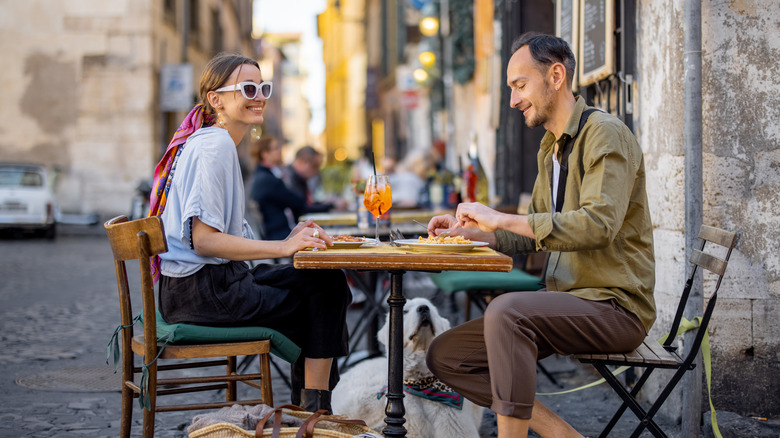
Apart from seeing all the major attractions, one of the greatest pleasures of traveling in Europe is enjoying the vast offering of dishes from various cultures. When we're traveling the continent as tourists, we all want to experience the best local cuisine, and of course, we want to avoid dining at tourist-trap restaurants. When it comes to knowing where to eat in Europe, we can count on none other than travel expert Rick Steves, who looks for certain restaurant qualities when picking where to eat in Europe. There are three words that Steves says he avoids at all costs when choosing European restaurants: "no frozen food."
"If you're a smart eater, you don't go to the most crowded, touristic, high-rent square and look for a restaurant that says in big English letters: 'no frozen food,'" Steves says in a 2025 talk available on YouTube, as an easy way to spot a tourist-trap restaurant. A restaurant claiming that they don't use frozen food seems like an empty promise attempting to lure unsuspecting tourists. As Steves says, "no local would ever eat there." Steves also states that if a restaurant has a pre-printed menu in three languages, you might just get fleeced by overpaying for a cheese pizza with a view and zero flavor.
Steves provides more sound travel advice to his audience on how to eat smartly while abroad, specifically in Europe. "I look for a small, handwritten, one-language menu," he explains, because those restaurants prioritize fresh ingredients, and are aimed at locals. Locals in European countries know where to look for good quality food, and they know they won't find it at restaurants boasting claims about not using frozen food.
How to get the most out of your food experience while traveling
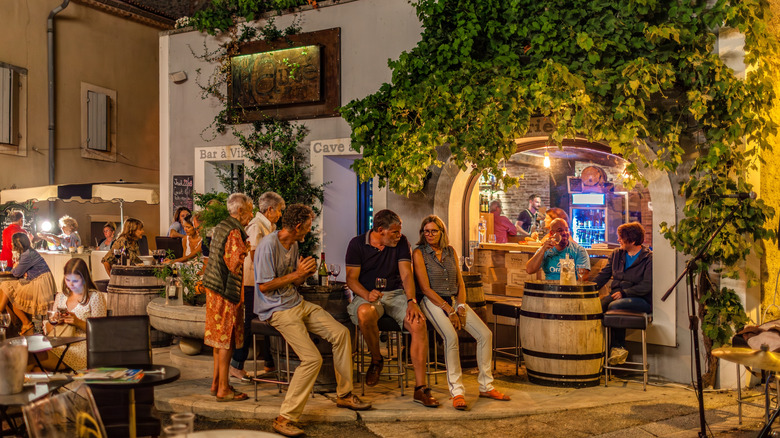
We get it. You've landed in a new country, you don't speak the language, and you don't know how to decipher whether a restaurant is catering to locals or tourists. All you know is that you're hungry, and you need to eat. But dining in the main square where pushy waiters bark at tourists attempting to lure them in is a major red flag. "I like to go three blocks away," Steves tells his audience, "[and] find a little no-name place on a low-rent location, thriving with an enthusiastic local clientele."
Steves often encourages travelers to be brave and adventurous when dining out, and I've experienced this first hand. A tried-and-true method I've found is to ask my hotel staff or a local I meet where they go to eat with their friends and family. Anytime I've asked a local this question, I've never been steered in a bad direction. The food has always been delicious, the menu small, and the experience unforgettable. Sitting in a restaurant where I'm forced out of my comfort zone to interact with locals, and no English on the menu, typically leads to some of the most authentic dining moments during my trips.
Another way to get the most out of your food tourism experience is one of Steves' favorite methods: Hire a food guide, or join a food tour. Who better to lead you to the best hidden-gem restaurants than a local passionate about food? Food tours often incorporate tidbits of history and cultural importance behind the dishes you're eating, which only adds to the experience, creating special memories you'll never forget. Before you know it, you'll be an expert on navigating Italy's dining culture and restaurant scene, knowing that a sign claiming "no frozen food" is deceptive and inauthentic.