

These Cities In Europe Will Start Rewarding Tourists For Sustainable Travel In 2026

As the number of tourists continues to rise the world over, sustainable travel is no longer an option but a necessity. Short-term rentals and increased flights from budget airlines have intensified overtourism, leading to a backlash in European cities such as Barcelona and Dubrovnik. Authorities have introduced measures such as tourist taxes and visitor caps in an attempt to control numbers, but some cities are choosing to take a different approach.
In Europe, no city takes sustainable tourism more seriously than Copenhagen, Denmark, which in 2024 launched its sustainability rewards scheme CopenPay. The scheme rewards visitors for making greener choices, therefore minimizing their carbon footprint. It attracted 5,000 participants in the first year, which jumped to 25,000 in 2025, earning a spot on Time Magazine's Best Inventions of 2025 list.
That success has encouraged other European destinations, including Helsinki, Berlin, and Bremen, to follow this softer approach that focuses on rewards for sustainability practices rather than entry fees, tourist taxes, or fines. The aim is to raise awareness of conscious travel and responsible tourism by encouraging visitors to make greener choices and participate in eco-friendly activities such as city clean-ups, urban gardening, recycling initiatives, using public transport, and choosing plant-based meals. In return, participants receive instant rewards like discounted rates on guided tours, free entry to cultural attractions, or food and drink offers. These initiatives will lead the way in responsible travel in 2026, focusing on an encouraging approach and not a punitive payment scheme.
How European cities are rewarding responsible travel
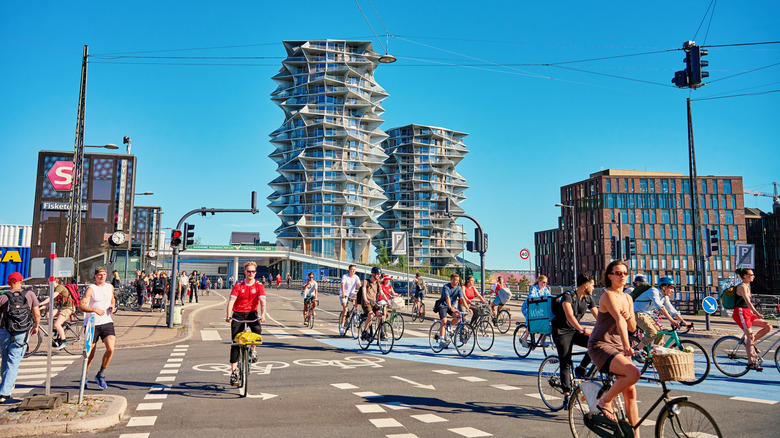
The idea for CopenPay was developed by Copenhagen's official tourist board, Wonderful Copenhagen, as a way to reward responsible travel rather than restrict tourism. Since its launch, CEO Søren Tegen Petersen has received interest from countries and tourist boards across Europe and beyond. He says, "So far, we have shared insights on CopenPay with more than 100 interested parties, and as we aim to contribute to a positive change globally, we are happy to share."
Following in Copenhagen's eco-friendly footsteps is Helsinki, Finland. Voted the world's most sustainable tourist destination for the last two years by the Global Destination Sustainability Index, Helsinki is at the forefront of regenerative travel. As part of encouraging sustainable modes of transport, over 745 miles of cycle paths wind through this green city full of parks, forests, and coastline, contributing to a 67% drop in carbon emissions. Their commitment doesn't stop there, with Finland collaborating with other Nordic countries on large-scale restoration projects in the Baltic Sea.
The German cities of Berlin and Bremen are already turning their sustainability intentions into actions. In 2026, Berlin will launch a mobile app, partnering with local businesses to offer rewards to visitors who travel responsibly. The points-based system is designed to encourage the use of public transport, cycling, and walking in a city that already promotes sustainable eating, eco-friendly accommodation, and access to a diverse network of green spaces. As one of Europe's lesser-known cities, Bremen has already introduced a successful rewards initiative. Partnering with Germany's national rail system, Deutsche Bahn, overnight rail passengers are welcomed with goody bags containing vouchers and gifts from local businesses, as a reward for using a greener transport option.
The future of sustainable travel in Europe

As the domino effect of CopenPay spreads through cities all over the world, the future of sustainable travel looks much brighter. While moving towards lower-carbon modes of transport is the key focus, there are many other ways you can reduce your carbon footprint when traveling, which are equally as rewarding for visitors as they are for the destination they stay in.
Rather than thinking of sustainable travel as a compromise, it's exactly the opposite. Staying in eco-friendly accommodation doesn't mean skimping on comfort or luxury. Leading hotels all over Europe are working hard to reduce their environmental impact, and have introduced measures that reduce energy use and water consumption, and improve recycling. These practices are already in place in countries like France, Spain, and Italy.
Eating locally produced or plant-based food that supports family-owned businesses is another effective way to travel sustainably while minimizing waste. Staying longer in one place results in fewer carbon emissions, and lets you practice deep travel. You have the time to participate in environmental activities, offering the chance to integrate into the community and see another side to your destination, all while helping to ease the problem of overtourism. The rewards of sustainable travel go way beyond the trip itself, and the eco-friendly habits you adopt travel home with you, meaning not only do they benefit you, they continue to benefit the planet.