

5 Beautiful US National Parks With The Least Visitors During Winter
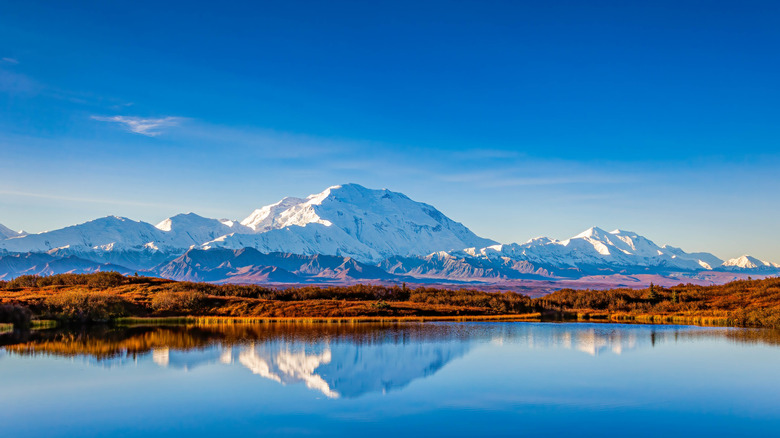
Americans hold a deep affection for their national parks, viewing them as treasured gateways to the country's vast natural wonders and historical legacies. The National Park Service oversees more than 430 parks, spread out over 85 million acres of protected land that stretches across every state, the District of Columbia, and U.S. territories. These spaces safeguard everything from towering mountains and dense forests to ancient ruins and vibrant ecosystems, providing endless opportunities for recreation and connection with the land. The appeal of the parks are evident in the numbers: in 2024 alone, the parks recorded a record-breaking 331.9 million visits. Among the most popular destinations are the Great Smoky Mountains, Blue Ridge Parkway, and Golden Gate National Recreation Area. These hot spots buzz with visitors drawn to their offerings.
But if you're seeking a quieter adventure this winter, one where you can immerse yourself in untouched beauty without the crowds, you might consider venturing off the beaten path. Winter transforms many parks into serene havens, blanketing the landscapes in snow or providing mild escapes from mainland chills. This season reveals a fresh perspective for those who venture out. We compiled this list of five beautiful national parks to visit this winter, with a focus on parks with low annual visitation, while prioritizing those that shine in winter for their stunning beauty, solitude, and unique offerings. If you aim to avoid crowds by visiting immaculate yet overlooked neighbors, this list is for you.
The result is a curated list of five breathtaking spots: the National Park of American Samoa, Great Basin National Park, Wrangell-St. Elias National Park and Preserve, Chaco Culture National Historical Park, and Dry Tortugas National Park. Each park promises a winter journey that gives back in unique ways.
The National Park of American Samoa
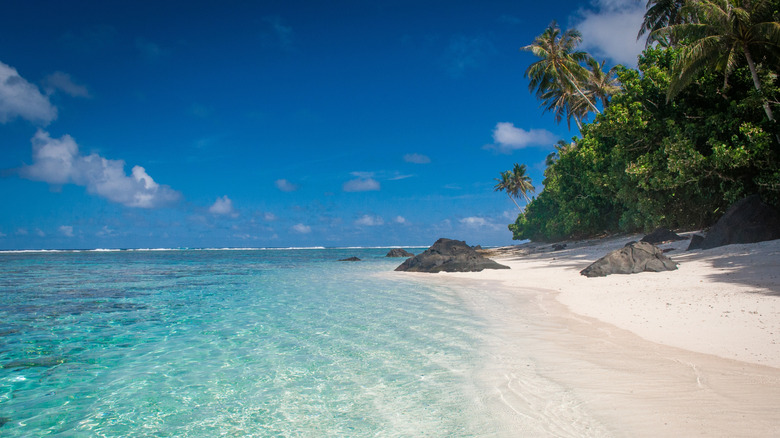
Located in the South Pacific, the National Park of American Samoa is one of America's least-visited national parks offering a tropical escape during winter. It covers three volcanic islands: Tutuila, Ta'u and Ofu, in the U.S. Territory of American Samoa, between the equator and the Tropic of Capricorn. Far from mainland hustle, the park only sees about 22,567 visitors a year, making it one of the quietest parks in the system.
The park's blend of pristine tropical environments and rich Polynesian heritage makes it truly unique and worthy of a winter getaway. It's the only national park with a paleo-tropical rainforest, which is home to more than 475 plant species and 50 different animals, including endemic fruit bats that play a crucial role in pollination. The park's landscapes range from lush jungles climbing to mountain peaks to rugged peaks that descend into the waves below. Beneath the water's surface, the park boasts some of the world's most resilient coral reefs, home to more than 230 coral species and 900 fish. It forms the Indo-Pacific ecosystem, which is teeming with life. These reefs support biodiversity and hold cultural significance for Samoans, who depend on the ocean for food and spiritual practices.
Samoan culture is the oldest in Polynesia, dating back 3,000 years. The park helps to preserve Fa'asamoa, their culture and way of life, by leasing the land from the local villages. A unique encounter. Visiting during the winter is especially rewarding for those aiming to flee the northern cold. Temperatures stay between 70 and 90 degrees Fahrenheit for a warm and tropical escape. The consistent climate makes for great snorkeling and rainforest trekking without the humidity that summer brings.
Great Basin National Park
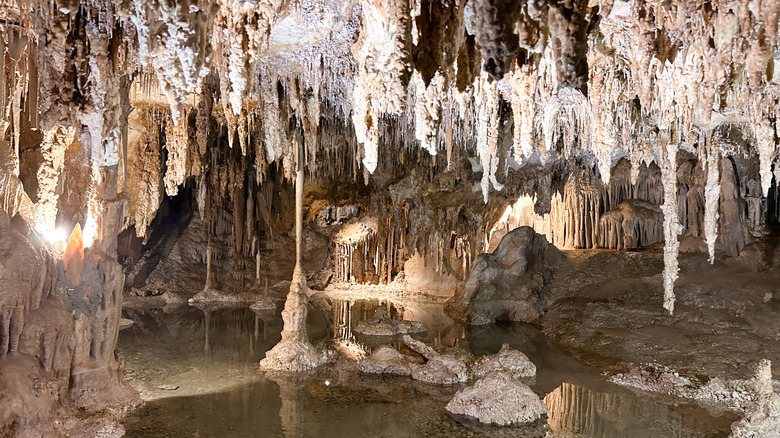
Great Basin National Park is located in eastern Nevada near the Utah border, and is one of America's least-visited national parks with hiking trails sporting great fall foliage. It occupies the high desert within the South Snake Mountains about 300 miles north of Las Vegas, and attracts around 140,000 visitors yearly, serving as an underrated park in the west while staying relatively uncrowded, especially during winter.
The park's draw lies in its dramatic contrasts, from the 13,000-foot Wheeler Peak , the second-highest peak in Nevada, to the intricate Lehman Caves offering the longest cave formations in the state. The ancient bristlecone pines are renowned as some of the oldest trees on Earth, and many bristlecone groves dot the park like Wheeler Peak and the Magic grove. Here lies the remains of the Prometheus tree, a bristlecone estimated to be between 4,700 and 5,200 years old, and once considered the oldest living thing in the world.
In winter, the park becomes a quiet wonderland, with snow offering stillness. It's a great time for those looking for peace in the outdoors. Snowshoeing along trails like Lehman Creek offers great views and vistas. Skiers can tackle the varied terrain, from gentle slopes for the newbies to the deep and steep backcountry for the experts. Cave tours reveal the subterranean chambers of life underground. And the scenic drive up to Wheeler Peak unveils desert panoramas that are typically the highlight of many trips. Winter transforms the landscape here into something ethereal, visiting Great Basin during this time is a great opportunity to witness the resilience of the bristlecones and contemplate its connection to large ecosystems.
Wrangell-St. Elias National Park and Preserve
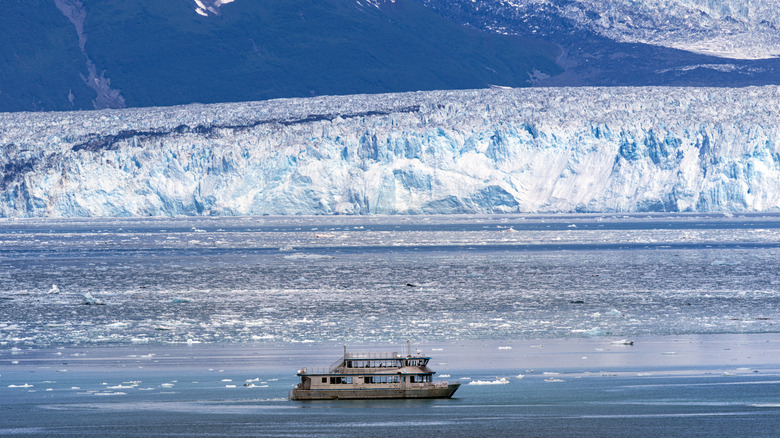
In south-central Alaska, about 170 miles east of Anchorage and bordering Canada, Wrangell-St. Elias National Park and Preserve is the largest park in the U.S., encompassing more than 13 million acres of land. It drew about 81,000 visitors in 2024, a modest rise from the year prior, but with this much landscape, it feels like you're almost alone.
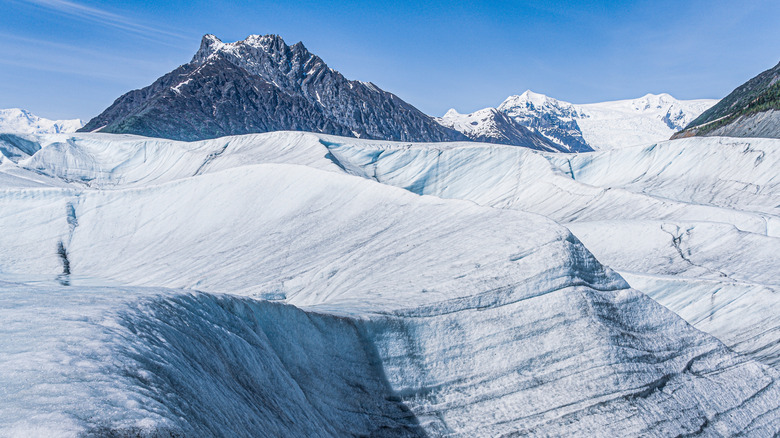
This vast wilderness converges four mountain ranges — Alaska, Chugach, St. Elias, and Wrangell. All four feature towering peaks over 16,000 feet, active volcanoes, like Mt. Wrangell, and immense glaciers. The Nabesna Glacier stretches 53 miles as the longest interior valley glacier in North America, and the Malaspina spans 40 miles, larger than Rhode Island. The Hubbard Glacier, is 76 miles long, and has six miles that calve dramatically into the water below. The park also hosts thermal features like mud volcanoes alongside massive rivers and diverse wildlife.
Winter in Wrangell-St. Elias is a profound adventure. The visitor center closes, and it demands preparedness and self-sufficiency, but this can heighten the thrill for intrepid explorers. Cross-country skiing and snowshoeing the many trails in the park is a great way to see this expansive place. The season's long nights also boost the chance to see the northern lights dancing across the glacial expanses. The park's scale and raw natural power in winter can inspire a deep awe and respect for nature, and it's perfect for those seeking an authentic Alaskan winter adventure. It offers many dazzling aspects: it's home to one of the largest active volcanoes in North America (Mt. Wrangell), nine of the 16 highest peaks in the U.S. are here, and Mt. St. Elias is the second-highest peak in the U.S.
Chaco Culture National Historical Park
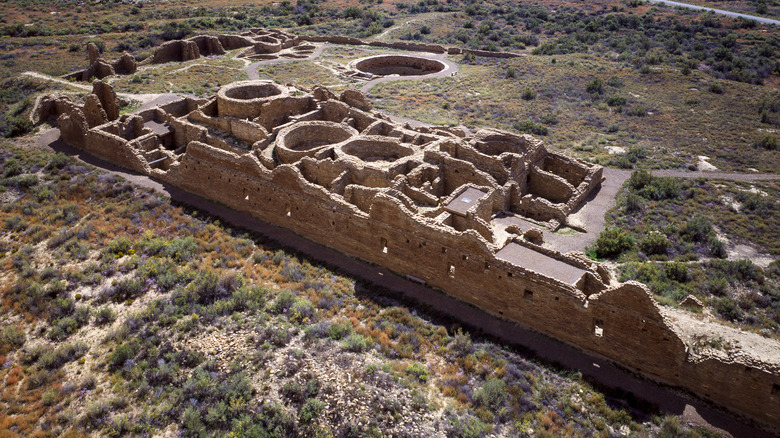
Found in northwestern New Mexico, about 180 miles northwest of Santa Fe, Chaco Culture National Historical Park protects a remote canyon network of ancient ruins. With only around 40,000 visitors yearly, it remains a quiet historical treasure.
The park safeguards a major ancestral Puebloan center from 850 to 1250 CE, featuring massive stone buildings like Pueblo Bonito. It showcases advanced architecture and social complexity from ancient civilizations. As a UNESCO World Heritage Site, Chaco Canyon culture holds one of the largest pre-Columbian complexes north of Mexico. This park offers many glimpses of petroglyphs, ceremonials sites, and other examples of rich ceremonial life. Trails like the Penasco Blanco Trail provide aerial views of Pueblo Bonito from atop a mesa, and other trails lead to remote architectural sites. As the ancestral homeland for southwestern tribes, this protected area serves as a living link to the past.
Winter visits offer few visitors and unique opportunities for stargazing. The park is open until 5PM daily. Hiking the nine-mile loop road to key ruins or backcountry paths feels personal and reflective without crowds or New Mexican heat. The park is pretty isolated, which can make a visit feel magical. Chaco Culture is a registered International Dark Sky Park with an observatory open to reveal brilliant starry nights, echoing ancient Puebloan astronomy practices and serving as one of the tops spot for stargazing in the southwest.
Dry Tortugas National Park
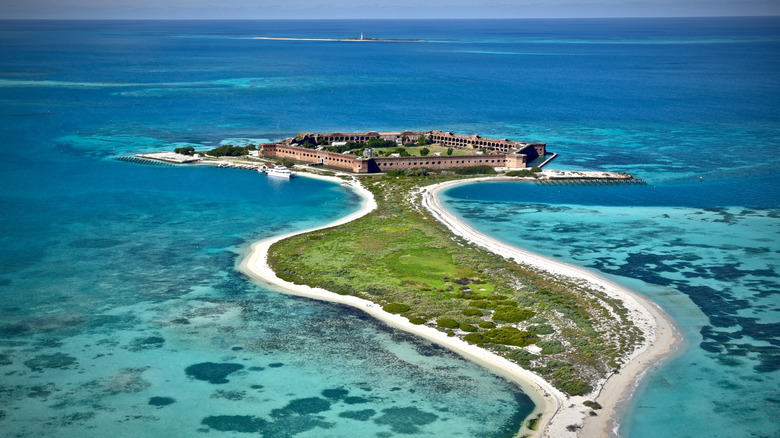
Located 70 miles west of Key West in the Gulf of Mexico (Gulf of America), Dry Tortugas National Park covers 100 square miles, with most of it underwater and seven tiny islands called keys. The park protects key archipelagos, offering bird-watching and beach relaxation on Garden Key, the headquarters and home base of the national park. The park is accessible only by boat or seaplane, and in 2024 it hosted about 84,000 visitors.
Dry Tortugas is known for Fort Jefferson on Garden Key, a massive 19th-century brick fortress, and one of the largest buildings of this time. The park is also home to thriving coral reefs and abundant wildlife diversity, including various bird species, sea turtles and colorful fish. Nearly 99% of the park is underwater, and it serves as sanctuary for marine life. It's home to infamous shipwrecks, and Loggerhead Key hosts a historic lighthouse. Visitors come here for the pristine beaches and crystal clear waters that create an idyllic, post-card perfect getaway.
Winter is a prime time to visit, as dry season brings temperatures that hover in the 70s, serving as an ideal time to escape the colder climates. Mild weather ensures comfortable snorkeling and beach bathing experiences. This temperate retreat feels like a distant paradise, where history and nature blend seamlessly to encourage visitors to unwind and relax.
Methodology
To craft this list, we examined National Park Service data for parks with less than 150,000 annual visitors in 2024, focusing on those with the lowest numbers. From there, we evaluated suitability for winter travel and enjoyment during winter, reviewing travel blogs, outdoor recreation websites, and official park resources. We hunted for attributes like seasonal scenery, activities, and low crowd levels. We prioritized diverse and beautiful destinations that provided value in numerous ways ensuring they align with low visitation.