

Rick Steves Thinks One Winter Activity In Iceland Isn't Worth The Risk
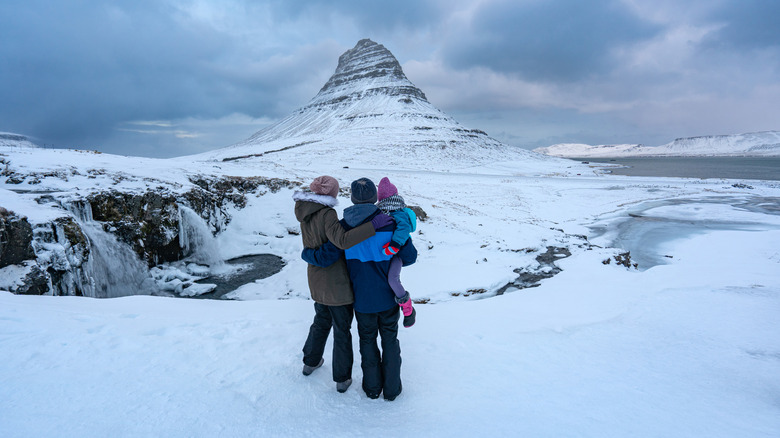
Winter is one of the best times to visit Iceland, when some of its world-famous landscapes somehow become even more dramatic. Waterfalls freeze over, the Northern Lights dance across the sky, and the ice caves within Vatnajökull — Europe's largest glacier — are safe to explore. If you think dangerous winter activities in Iceland involve hiking up an active volcano or ice climbing with pick axes, you wouldn't be wrong. However, Rick Steves warns tourists about this less obvious danger: driving.
Steves has been a European travel expert for decades, sharing his knowledge on his blog, guide books, TV show, and group tours. Safety is of the utmost importance when you're traveling, and it's easy to forget how difficult something as easy as driving can feel when you're in another country. Even though Icelanders drive on the right-hand side of the road, and even if you're used to winter driving at home, don't underestimate how it can affect your trip. "I don't recommend driving outside Reykjavik and the airport area at all during the winter months," Steves wrote in an article.
Winter lasts from November through March, so if you're planning to drive the entire Ring Road, you're better off waiting until at least April when the weather clears up. While you can expect driving from Keflavik International Airport (KEF) to Reykjavik and around the capital to be pretty safe, leaving the city can be more dangerous. "Outside [Reykjavik], roads can be a sheet of ice for weeks at a time, especially at higher elevations," Steves explained.
Safety tips and alternatives to driving in Iceland
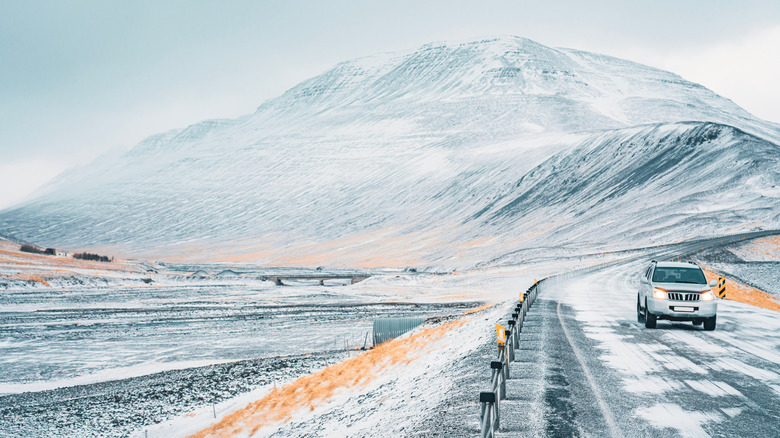
You can still plan an unforgettable trip to Iceland in the winter. Whether you're dreaming of swimming in the world-famous Blue Lagoon or want to visit at the time of year you're most likely to see the Northern Lights, you can experience a lot during this season. The safest way is to join a tour. It'll be easier for an experienced local guide to navigate the roads safely, and you can relax without needing to keep your eyes out for black ice. Some of Iceland's most beautiful sites are within a two-hour drive from Reykjavik, and lots of tour companies offer day trips from the capital.
If you really want to rent a car, make sure you follow some winter safety precautions. First of all, choose a sturdy 4x4 vehicle for better grip on icy roads. While all cars in Iceland are required by law to have studded snow tires between November 1 and April 15, a 4x4 handles winter conditions better than a small city car. Steves also emphasizes the importance of focusing on the road rather than the photo ops. Since many roads in Iceland have narrow to nonexistent shoulders, it's tempting to stop in the middle of what seems like a deserted road to take a photo. Don't," he warned. "Even if it means missing a great shot, find a spot where you can pull over safely."
Stay aware of weather warnings and check SafeTravel.is regularly for updates. No matter how you choose to get around Iceland in the winter, always be prepared to adjust your plans if the weather conditions make any activities too dangerous. Here's why you should avoid packing an umbrella for your trip to Iceland.