

Endangered Animals You Should Avoid When You're Exploring The Outdoors In California
One of the best parts of hiking or even just getting outside is spending time in nature and taking in incredible wildlife views. There's nothing like spotting a herd of antelope grazing in the distance or hearing a flock of geese overhead as they fly off to warmer climates to put a smile on your face and a spring in your step. In California, there's an abundance of wildlife you stand a good chance of bumping into, such as raccoons, and even some dangerous animals to avoid getting too close to in the Californian wilderness like bears, bobcats, or coyotes. But if you find a great (safe) viewing spot, chances are these sightings will encourage you to get out more.
Unfortunately, there are also quite a few endangered species, and instead of going out of your way to find them, staying away can help protect them. Realistically, the fact that they're endangered somewhat narrows the possibility you'll cross paths when out on the trails. But, there are some things you can do to help support the recovery of these species, and perhaps one day, succeed in getting them off the California Endangered Species Act (CESA). Under this act, there are around 250 species listed as either endangered or threatened. Knowing how to behave and what to do when you see one can have a positive impact on their future survival.
Bighorn sheep
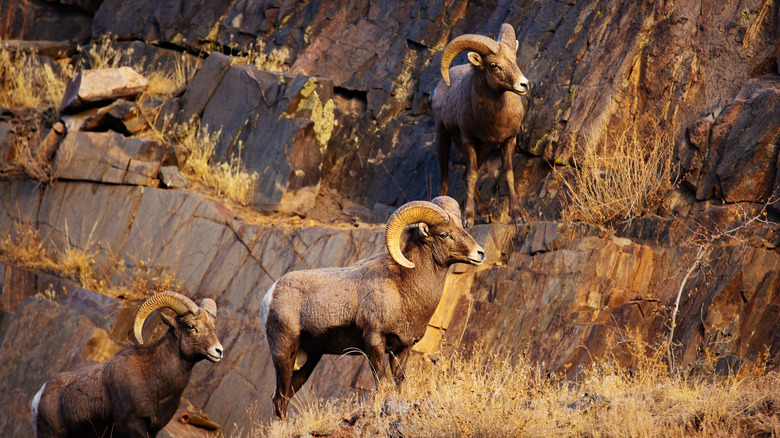
No prizes for guessing how these beauties got their name, bighorn sheep live in mountainous terrain where they climb the rocky slopes with ease. In California, two species are on the CESA list — the Peninsular and the Sierra Nevada. The Peninsular Bighorn is San Diego's official animal and is found around Palm Springs, the San Jacinto Mountains, and the Santa Rosa Mountains. They've officially been endangered since 1998, and are now at an estimated population of around 750. Numbers have dropped due to competition with domestic livestock, disease spread, loss of habitat, and limited water sources. Fortunately, hunting is no longer a problem thanks to state laws.
Sierra Nevada Bighorn live high up in the Sierra Nevada mountains and have been on the endangered list since 1999. Once thought to be facing imminent extinction, numbers are currently around 400 thanks to restoration programs in and around Yosemite National Park. If you come into contact with bighorn sheep, keep your distance. They're easily startled, especially during lambing season between April and June. If you're out walking your dogs, keep them on a leash, as they can cause a stress response that makes them flee. If you do happen to come across them on the trails, move out of the way and let them pass, and make a note of where you saw them to report to the California Department of Fish and Wildlife so rangers can keep track of numbers.
Desert tortoise
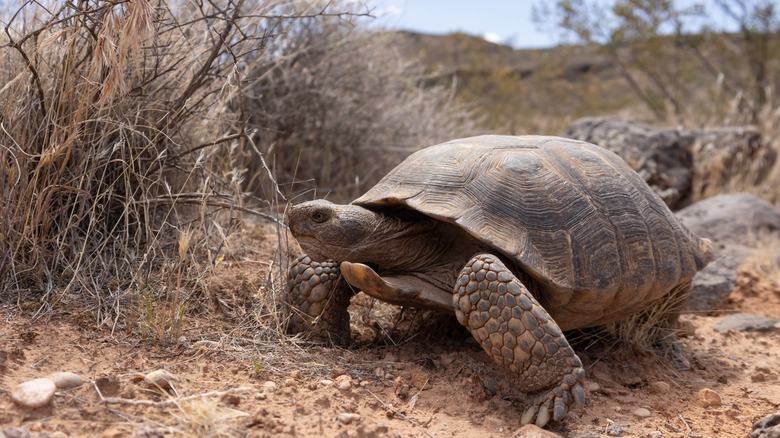
These ancient desert dwellers live in the Mojave Desert, north and west of the Colorado River. Recently moved onto the endangered list from threatened in 2024, the desert tortoise is facing a serious threat of extinction. To give you an idea of how critical their situation is, their numbers were as many as 50-300 per square mile in 1975, now you'd be lucky if you found 10. Living on a diet of mostly grasses and wildflowers, these animals are an important part of the ecosystem, helping to spread seeds and maintain the habitat. They've been around for millions of years, but face several different threats. The main reason for their dramatic drop in numbers is urban sprawl, as more homes and roads are built where tortoises might burrow. Telephone poles and litter that come with development also draw ravens that prey on fragile hatchlings.
As tempting as it may be to touch these gentle animals, you should never pick one up or take one from the wild. Respect their space and enjoy watching them from afar. The only time it's acceptable to move one is if they are in immediate danger of being squashed on a busy road. In this case, you should approach them from the front, lift them up gently by their sides, and move them about 50 feet in the direction they were headed, keeping them low to the ground so as not to startle them. When frightened, desert tortoises empty their bladders, losing essential water, which could be fatal. As with other endangered animals, if you do see one, make a note of the location and let the wildlife authorities know.
San Joaquin kit fox
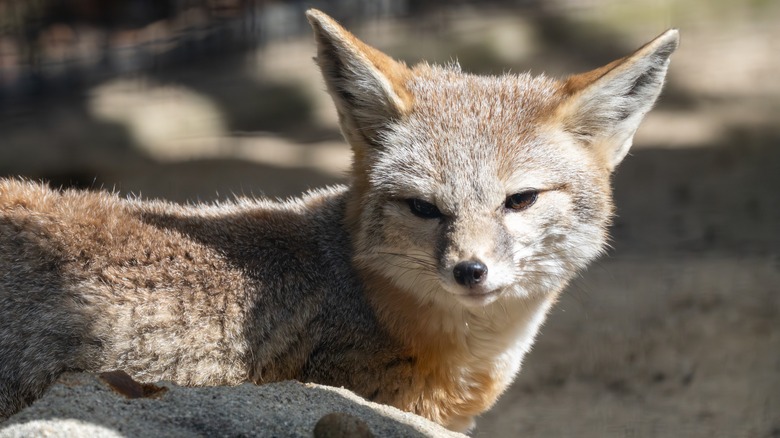
Mostly found living in the grasslands and scrublands of California's San Joaquin Valley, the San Joaquin kit fox is a beautiful little animal with big ears, a bushy tail, and large bright eyes. Just tiny fellows, their coat changes from tan in the summer to a silvery grey in winter, just 12 inches tall and weighing in at around 5 pounds, makes them the smallest fox species in North America. But although small in size, they're a mighty help to the ecosystem, hunting small rodents and in turn being the prey for coyotes and bobcats. Unfortunately, they too are on the CESA, with only around 3,000 left in the wild. Like many endangered species, the kit fox has lost much of its natural habitat to construction, in particular agriculture and solar power development projects.
Unless you're out at night, you may not see much of the tiny fox as they're nocturnal. But if you are, keep the noise down so as not to disturb them, and keep an eye out for them on the roads. Stick to marked trails and look out for burrow entrances, being careful not to damage them — they count on their large network of burrows to survive. If you're out with your dog, keep them on a leash so they don't chase the kit foxes or dig up their fragile homes. If you do happen to see a kit fox, keep your distance and don't attempt to approach or feed it.
San Francisco garter snake
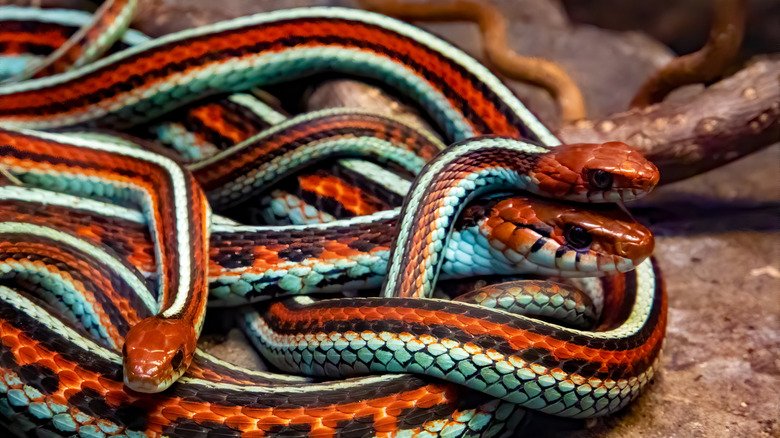
The San Francisco garter snake is incredibly beautiful with red, blue, and black stripes, and a red head and tongue. Reaching around 50 inches in length, it's only found on the San Francisco Peninsula. At home around freshwater wetlands, the San Francisco garter snake has been on the CESA since 1967 and is one of the rarest snakes in the U.S., with fewer than 1,500 left. The main reasons for its decline are mostly due to illegal collection, loss of habitat, and the draining and pollution of its wetland habitat. Their diet is mostly made up of frogs, and a particular favorite is the California red-legged frog. Unfortunately, bull frogs prey on young San Francisco garter snakes and red-legged frogs, making it even harder for the snakes to survive.
Despite their warning colors, these snakes are not a threat to humans. They are, in fact, quite harmless and don't have fangs to inject venom. They usually slither off into the water if they sense humans around, making it difficult to see them up close. However, best not to get too close because if they feel threatened, they release a foul-smelling odor and may even attempt to bite (harmless, but still uncomfortable). The usual rules about what to do if you see a snake in the wild apply — let them pass undisturbed and be careful not to step onto their precious habitat where you risk standing on them or disturbing their nests.
Other endangered species you might spot in California
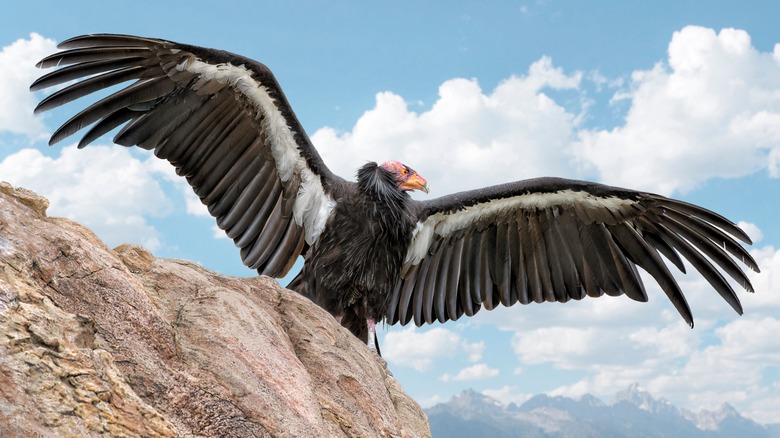
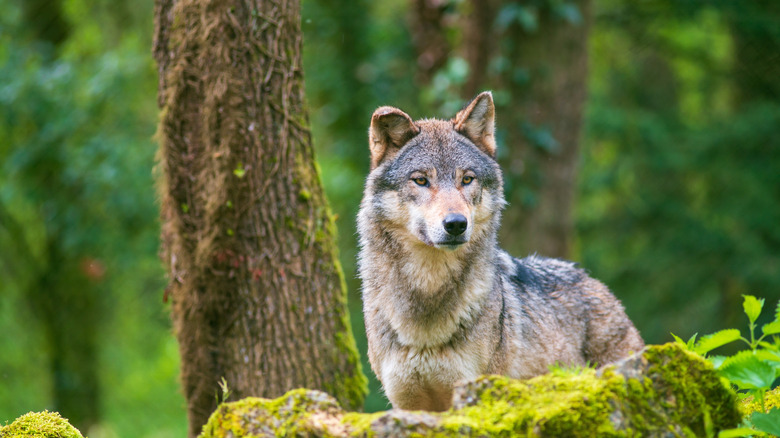
California is home to other endangered wildlife, like the gray wolf and California condor, but even though you're much less likely to encounter them, we wanted to give an honorable mention to these beautiful animals. Slowly increasing their population after being hunted to near extinction, there are now around 70 gray wolves across 10 packs in California. Now that they're back, we want them to stay. So if you do see any, don't track them, admire them from a distance without frightening them, and always follow important safety advice from national park rangers.
However unlikely it may be that you'll share the trail with a California condor, you may be extremely lucky to see these vultures soaring over Pinnacles National Park. There were only 27 of the largest flying bird in North America in the 1980s, but thanks to a successful condor recovery program, there are now more than 300 in the wild. To help keep track of their numbers, report any sightings and enjoy watching them from afar.
Although contact with these animals should be avoided, there are ways you can get involved if you want to support their survival. The U.S. Fish and Wildlife Service (USFWS) and the California Department of Fish and Wildlife (CDFW) are the best places to contact to find more information. You can also find local volunteer groups and projects that rely on any support you can give.