

Flight Attendants Are Tired Of Hearing This Seemingly Polite Passenger Request
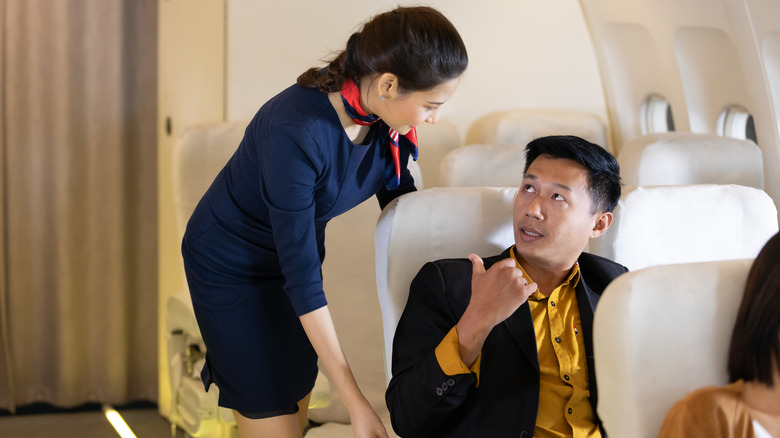
Next time you board a flight, you might want to think twice before asking your crew members to turn the heat up or down. Your flight attendant won't tell you this, but it's something that really gets on their nerves sometimes, even if it seems like a polite request.
Part of flight attendants' job is to ensure that every passenger on board remains safe and comfortable. Crew members go through many weeks of training to prepare for emergencies, but they're also expected to keep passengers happy, even if that means dealing with some frustrating passenger behaviors along the way. They serve snacks and beverages, answer questions, and do their best to accommodate passenger requests. But when it comes to adjusting the cabin temperature, there's only so much they can do. As a former flight attendant for a U.S. airline, I can tell you that this was a request I received every single day.
Crew members can only do so much to make the temperature more comfortable for you
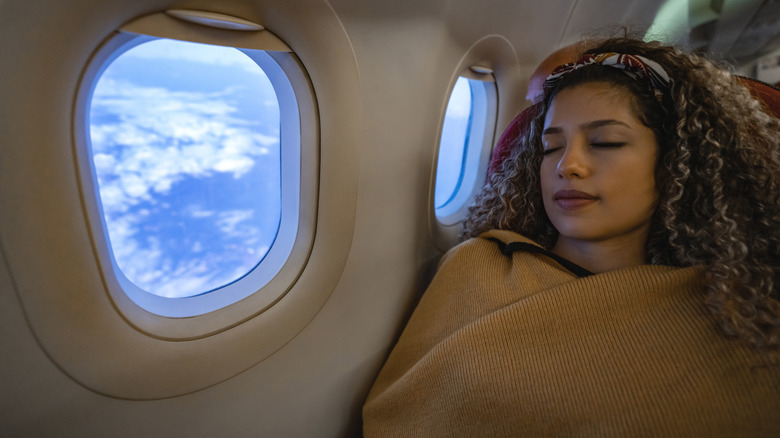
After you've spent a week vacationing on the beach wearing a swimsuit, stepping on the plane to head back home can be a rude awakening in more ways than one. When the infamous frigid air conditioning kicks in, you'll be well aware that vacation is most definitely over. Airplane cabins can feel notoriously cold, and asking crew members to turn up the heat when you're shivering in your shorts may be polite in theory, but it's not always a request they can accommodate.
I often had to explain to passengers that they'd be better off grabbing another layer from their carry-on bag, because flight attendants only have so much control over the temperature of the aircraft. In my experience, cabin temperatures were generally kept between 71 and 75 degrees Fahrenheit, and crew members could only make slight adjustments within that range. Even then, changing the temperature by a few degrees didn't always make much of a difference to how the cabin felt.
It's also important to remember that an overly warm cabin can pose its own problems. Excessive heat can make passengers uncomfortable and, in some cases, contribute to medical issues like nausea, dizziness, and fainting, particularly during boarding or ground delays. That doesn't mean colder is always better, of course. If the cabin feels excessively hot or cold, or you're feeling unwell, you should absolutely let a flight attendant know.
It's important that you come prepared for your flight
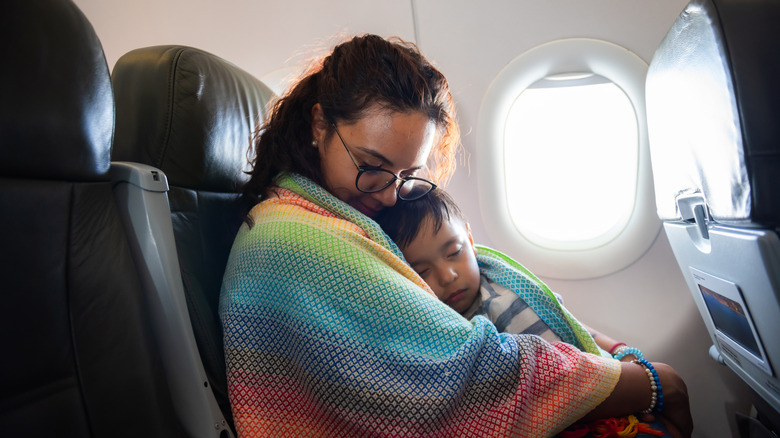
It's understandable that first-time flyers might not know what to expect when boarding a commercial aircraft. If you've never flown, or you haven't been on an airplane in a long time, be advised that it may feel quite chilly by the time you get up in the air.
The next time you have a flight scheduled, make sure to pack a few layers, even if you're traveling in the middle of summer. Socks are especially crucial. If you're wearing sandals, don't forget to pack a pair of cozy socks for your flight. If you're traveling with children, make sure they're adequately prepared as well. Blankets aren't always available on domestic flights, particularly in economy, so crew members won't be able to help if you or your child gets cold.
A lightweight travel scarf that can be used as either a shawl or a small blanket is a wonderful and versatile accessory to bring along. If you find yourself shivering on board, it can really come in clutch. A packable puffer jacket that folds up into its own pocket is another great option. For colder seasons, opt for something made from a warmer fabric like merino wool or cashmere. With a few extra layers on hand, you'll be better prepared to stay comfortable without having to rely on the crew to adjust the temperature.