

Everyone Followed This Old-School Travel Trend In The '80s. Now It's Making A Comeback
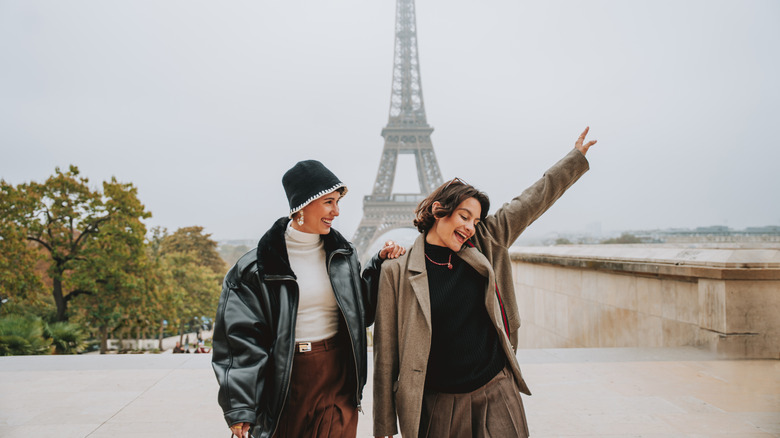
It seems like cameras are getting smarter and more complex by the day. We've got foot-long zoom lenses and iPhones that capture 12-megapixel photos. But just as music-lovers have brought back vinyl records and '80s band tees, many travelers are reviving relics of film photography to capture their memories: disposable cameras.
Possibly in response to generalized digital fatigue, analog cameras have gained significant popularity in the past decade. Manufacturers are debuting new 35mm cameras, Kodak's film sales doubled between 2014 and 2019, and eBay is stuffed with thousands of secondhand film cameras.
The latest analog photography trend has proven especially popular among explorers, and it's probably the easiest way to shoot film. Good old disposable cameras — available at your nearest drugstore — are user-friendly, won't break the bank, and may make you a more thoughtful traveler.
How an '80s bestseller became novel again
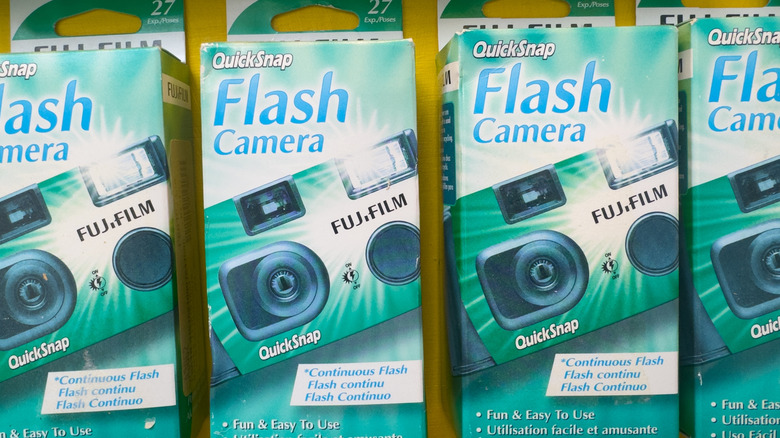
The first disposable cameras debuted a half-century ago, when Fuji released the 35mm, $10 Quicksnap in 1987. Within a decade, disposable cameras had flashes and telephoto lenses, and some were even waterproof. They were extremely popular among consumers. Instead of investing in an expensive, high-quality film camera and reloading it with rolls, they could pick up a point-and-shoot on the cheap, take the photos they needed, and get rid of it. The tool lent itself especially well to parties and trips — specific instances that people who weren't necessarily invested in photography wanted to document.
Nowadays, most people have smartphones with cameras. That means they can take thousands of photos, usually of much higher quality than a 35mm disposable Fuji can, and review them immediately. And yet, disposable cameras have resurged. In recent years, they've been on the red carpet at the Oscars and sold by Urban Outfitters. As of 2025, the disposable camera market is worth more than $1 billion — thanks to Gen Z consumers.
Modern users are attracted to disposable cameras' aesthetics and delayed gratification. The photos they capture are often overexposed, sometimes grainy. But as retail analyst Neil Saunders says, that's kind of the point: "There's something a bit raw about them." And getting the camera developed — which can take weeks — has become a welcome ritual of surprise and delight. As one Redditor said, "Forgetting what's on my film is basically the entire reason I shoot film."
Why disposable cameras are great for travel
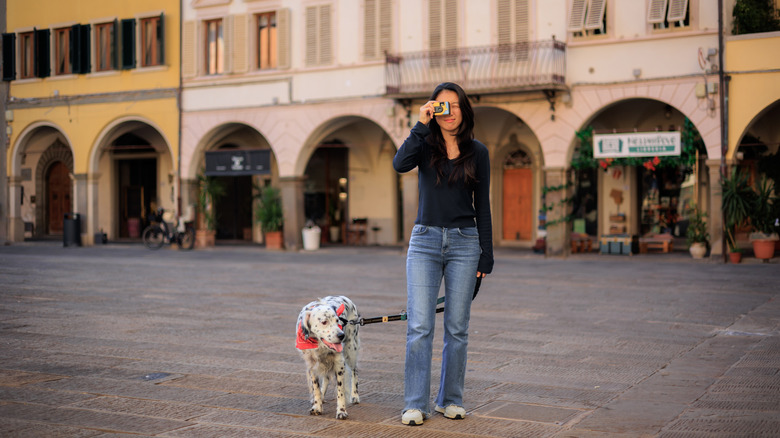
Since their inception, disposable cameras have been especially well-suited to travel. They're small enough to fit in a pocket. They come preloaded with a battery that requires no charging, meaning even backpackers miles from civilization can still shoot pics. They're practical for intense adventures. Whitewater rafters might consider Fuji's waterproof Quicksnap for worry-free action shots, for example. And climbers can clip a Kodak Funsaver to their harnesses for mountainside photography without the fear of dropping a $1,500 digital camera or phone. (A disposable camera will set you back just $20.)
There's a social media account called Life On Film that gained popularity for a specific type of video: The creator approaches strangers at airports, gives them disposable cameras, asks them to fill the cameras with photos during their trips, and requests they mail them back to him. He has the film developed, and each video concludes with a scored slideshow of film shots featuring friends and lovers, often in beautiful landscapes. The appeal isn't just that the photos are aesthetically vintage, but that the subjects are encouraged by the format to create thoughtful photo series that represent themselves and their trips.
That's the main pull of the disposable camera for travel: minimalism. If one picks up a single-use camera ahead of a trip, they know they've only got 27 shots. It forces the photographer to be selective about what they photograph, as opposed to continuously documenting—which sometimes has travelers viewing their entire trip through their smartphone lens. Going analog on your vacation forces you to freeze only the best moments of your trip — which could become the best travel photos of your life — and to simply absorb the rest.