

Colorado's Abandoned Ski Area Near Denver Is Now A Popular Spot For Backcountry Slopes
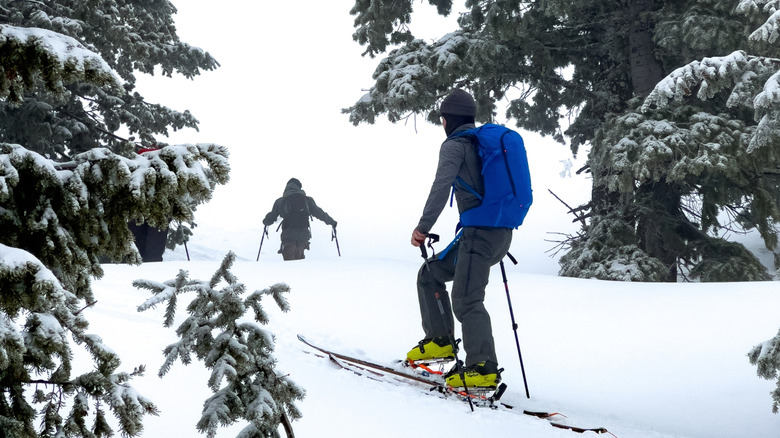
Perched on the Continental Divide, Berthoud Pass Ski Area has transformed from a once thriving ski resort to one of Colorado's most popular backcountry areas. Today the pass attracts skiers and snowboarders on the hunt for trackless snow, unboundaried terrain, and a free ski experience with no lift tickets required. Being just a quick jaunt west of Denver, it provides those in the front range with great access to varied terrain.
This once modest ski area with short runs now offers a lifetime of tree skiing, deep powder bowls, and challenging descents. The terrain features everything from gentle, low-angle glades suitable for newer backcountry travelers to steep couloirs, chutes, and open bowls that continuously challenge those looking for it. There are many sections to explore, including No Name, Pumphouse Basin, Mount Russel, and the 80s and 90s area. While it remains a highly popular place for backcountry skiing, it covers about 2,000 acres, so there's enough space to spread out and find fresh snow.
A charming aspect of skiing here, one that has continued after the resort's abandonment, is the hitchhiking culture. Rather than always skinning back up, many skiers join runs that end near the highway and choose to hitch a ride back to the summit or another access point to drop back in. This shuttle-like tradition is rooted in the area's earlier days and remains commonplace. It fosters a communal energy that continues to bring people together for the shared love of the sport.
The history of Berthoud Pass Ski Area
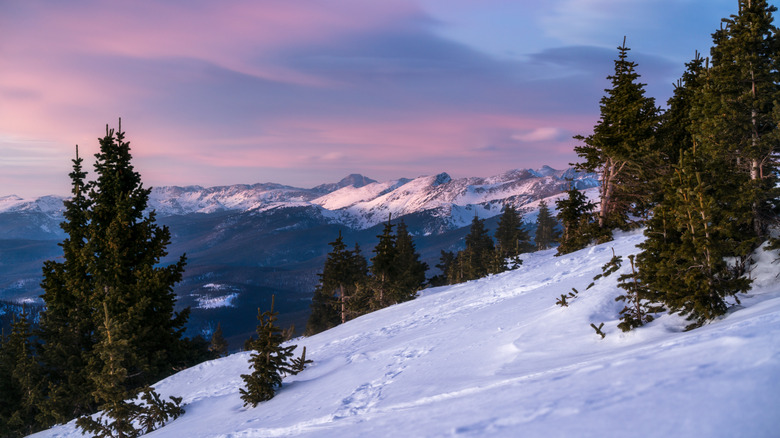
Maintenance of the nearby roads began in the winter of the 1920s, opening recreational opportunities at a time when alpine skiing was gaining popularity across the U.S. Skiers would shuttle car loads of people to the top of the summit, then zip down to the bottom to retrieve them. Formal operations of the area began in the late 1930s with what many consider Colorado's first ever public rope tow, and a luxurious three-story lodge opened in 1949.
During its most popular years, the area hosted a significant amount of skier traffic. The resort featured a double chair on the west side and a T-bar on the east side, with 80 skiable acres of mostly intermediate and advanced terrain. Notably, it was one of the first places in Colorado to welcome snowboarders on the chairlifts in the 1970s.
Competition from larger resorts like Winter Park created challenges, as did financial struggles from ownership, lift malfunctions, and injuries. These ongoing operational struggles forced the lifts to stop operating after the 2001 season, which led to a full closure in 2003, and the lodge was torn down in 2005. For a time, the Berthoud Pass Ski Area sat forgotten in solitude until backcountry enthusiasts rediscovered it, and it became one of many abandoned ski resorts offering fun mountain recreation.
Planning your backcountry ski trip
Berthoud Pass sits about 50 miles west of Denver or 70 miles west of Boulder, making it an easy destination for a day or weekend trip. The summit parking lot serves as the main access point to the ski area and fills up early on weekends. So be on dawn patrol and get there early, or find parking at one of the highway turn-offs and stick out your thumb and hitchhike to the top.
Each part of the ski area has its own time to shine. Some require mid-winter stability and thick snowpack, while others are great for spring corn skiing. Always check with the Colorado Avalanche Information Center for current forecasts, as conditions can change rapidly in the mountains.
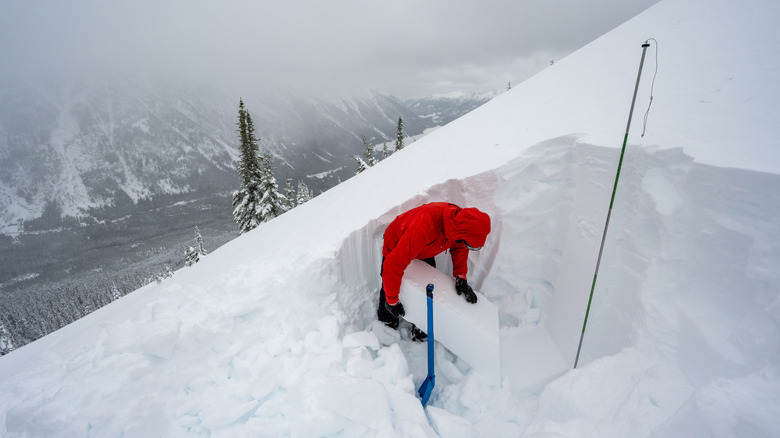
Safety remains paramount here, as this is a true backcountry environment with zero ski patrollers, groomers, or other services. Avalanches pose a big threat across steep terrain, and proper training and education are essential. Always carry and know how to use avalanche rescue gear like a beacon, probe, and shovel. Ski with a buddy or two or three, check the weather and current snowpack, and match your skills to the conditions of the day.