

4 German Restaurant Rules American Tourists Break Without Realizing
German culture is famously rule-oriented. Germans tend to be punctual, organized, and politely direct, and things like jaywalking, standing on the wrong side of the escalator, or making noise in hotels during designated quiet times are frowned on. The German love for rules is something of a stereotype, but it is one based in significant truth, and understanding the etiquette before traveling to Germany is a vital part of ensuring your trip goes smoothly.
One area where you might be surprised by some of the rules, however, is at a restaurant. The rules around dining culture in Germany are not as famous as the social etiquette in France or Italy, but it has its own customs and traditions, and there are definitely a few things it is worth knowing about before eating out in Germany.
So before you devour steins of beer, salty pretzels, and whichever variety of wurst you prefer, here are some of the main restaurant rules to keep in mind. If you can avoid breaking any of these, you'll seem less like a tourist and possibly get a more authentic dining experience.
Don't wait to be seated
Although politeness rules in German culture, the definition of what is considered polite can sometimes seem very different to the American eye. Germans are more direct, less interested in small talk, and can sometimes take actions that feel brusque.
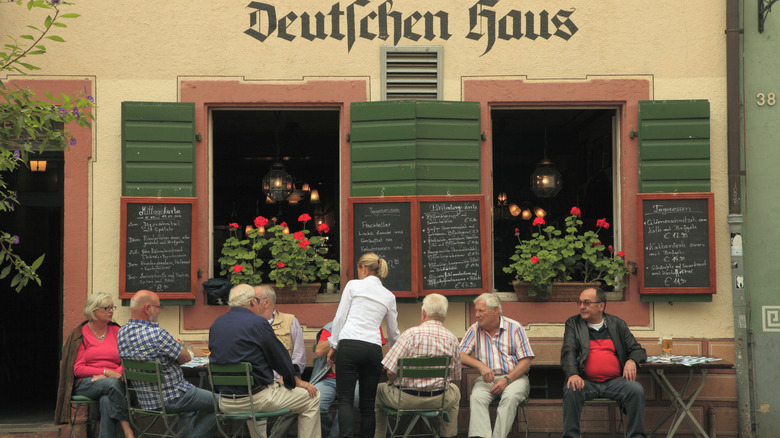
As a result, what is expected of waiters in German restaurants is different. They are far less likely to introduce themselves with a "hi, my name is Hans, and I'll be your server," and may come across as more businesslike than you might be accustomed to back home. One big difference is that when you enter most restaurants, you will be expected to seat yourself, making your way to a free table, rather than waiting to be seated by a waiter.
The good thing about this system is you can pick the table you really like, although it might mean you'll have to wait for a server to bring you a menu, or share the menus already on the table. It also means that in more casual establishments and cafes, sharing tables is common, so don't be surprised if a stranger sits down opposite you!
Think before filling up on bread
It is always a good idea to avoid filling up on bread, and doubly so when dealing with the hearty German staples of wurst, mashed potatoes, and schnitzel. But bread in German eateries also comes with certain rules that are worth paying attention to.
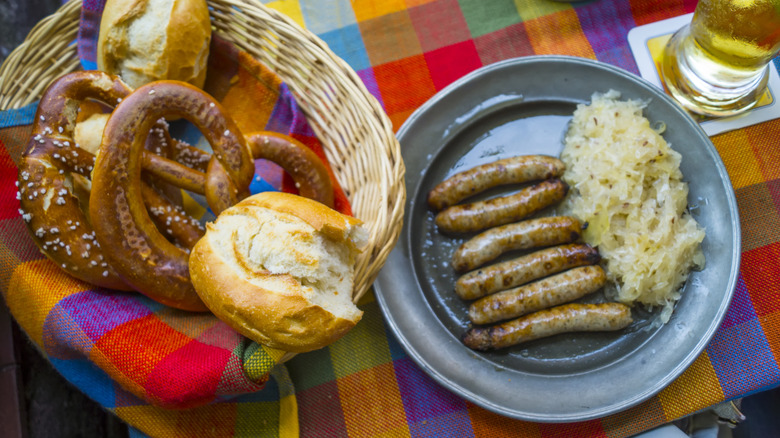
When you get to your table in a classic German eatery, chances are there will be a basket of soft pretzels and other bread rolls. But be careful — these aren't always complimentary! In many of the more traditional places, particularly in Bavaria and southern Germany, the waiter will pay attention to how many of these your party eats, and add them to your bill. It is worth checking beforehand, or keeping in mind that pretzels, in particular, tend not to come for free!
Indeed, in some parts of Germany, bread is considered the main event of a meal, particularly in the evening. Known as Abendbrot, this usually means good quality bread, with spreads, pickles, cheeses, and maybe cold cuts. It is an affordable and low-effort way of having a decent, filling evening meal.
Watch out for fork etiquette
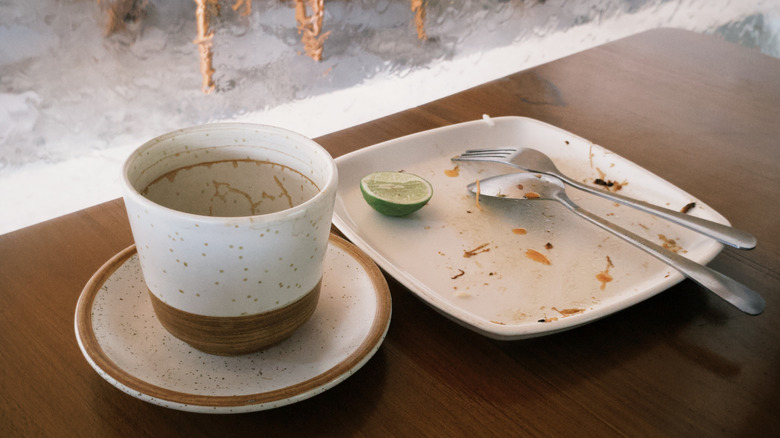
One thing tourists in Germany often notice is that servers can take some time to clear away your plates after you've finished eating. However, this is usually not because they aren't paying attention to your table, or aren't doing their job properly, but because of where you've put your fork.
One of the easiest ways to go wrong while eating out in Germany is with your fork. Not only is it a useful utensil for scarfing sauerkraut and spaetzle, but it is also a subtle way to communicate with your server. If you leave your fork and knife crossed on your plate, or even just your fork laid down, half on, half off, then your server may assume that you haven't finished your meal and are just pausing. To indicate that you are ready for your server to clear your table, you need to clean your plate and place your fork and knife side by side, either on the plate or on the table. This is actually one of the most common etiquette rules across Europe that tourists break, so it is a good habit to pick up.
Know how to navigate the beer hall
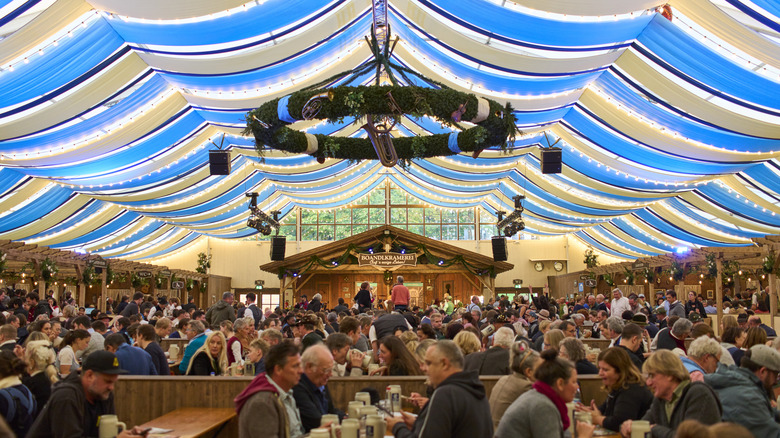
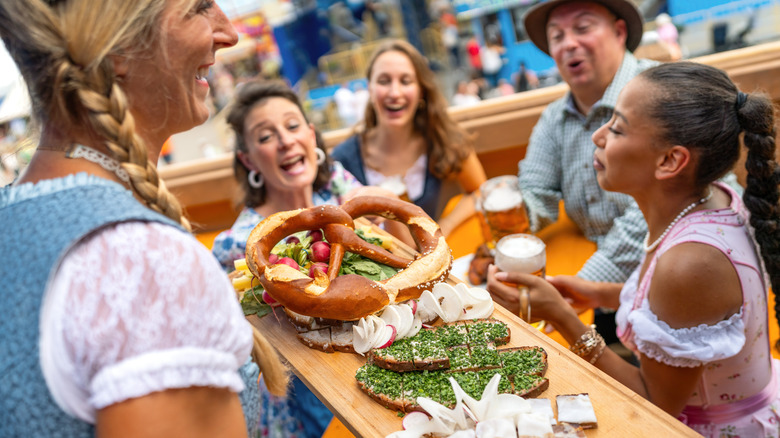
Nowhere in Germany is etiquette more important than in the famous beer halls and beer gardens, with the beer scene in Munich considered one of the best in Europe. These magnificent cultural hotspots aren't just places for drinking, but almost always serve up excellent, traditional German beer food as well, from soft, doughy pretzels to rich, tasty bratwurst. The style is informal, as you might expect from an establishment predominantly for drinking, but nevertheless there are certain customs one is expected to adhere to.
For starters, bigger beer halls usually have two distinct areas: the self-service area and the table service area. If you are in the self-service area, you'll need to go up to the kiosk or bar to order and pay at the same time. If you are ordering food, you might need to wait for it to be prepared, or listen out for your name. In the table service area, a waiter will take your order at your table and bring food and drinks to you. This usually means higher prices, and tips will be expected. German beer halls and gardens often have communal seating, so you may not be able to reserve a table, and don't be surprised if strangers join you. Finally, one of the most important parts of beer hall etiquette is making eye contact when you clink glasses and say cheers, or prost in German. This classic superstition was originally all about trust with strangers, and now, failing to make eye contact is considered unlucky and, according to some, will curse your sex life for seven years!