

5 Spanish Restaurant Rules American Tourists Break Within The First 10 Minutes
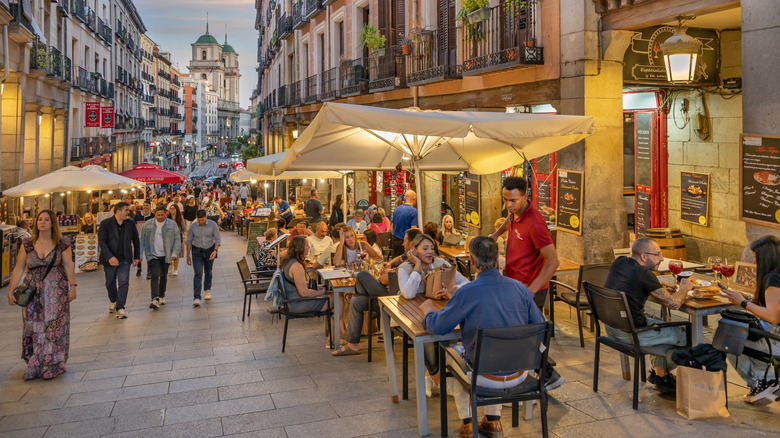
Although it is often overshadowed by French and Italian cuisine, the food in Spain can be a revelation for American tourists. Dining out in Spain means feasting on cured meats, tortilla española, paella, and patatas bravas. There are incredible regional specialities across the country, from pintxos in the Basque Country and octopus in Galicia to pan con tomate in Catalonia and suckling pig in Castilla-Leon, not to mention the world-famous jamón Iberico, one of Rick Steves' favorites when dining in Spain. Spanish cuisine is a feast for the senses and a treat for the traveling gourmand.
With so much of Spanish food being based around a small plates, tapas, sharing style, and meals being a social occasion as much as anything else, the vibes tend to be pretty casual. Spanish dining doesn't come with a load of rules and etiquette that people need to know, unlike restaurants in France. But there are certain forms and conventions in Spanish restaurants that locals know about, and stepping outside these guidelines will mark you out pretty quickly as a tourist.
Some of these behaviors are just cultural differences, like not asking for water or ice for your meal, or not tipping, while others require insider knowledge, like which dishes are usually eaten at certain times of the day. We've pulled together a few of the most common mistakes American tourists make when going out to dinner in Spain to help you order and dine like a local throughout your Spanish vacation.
Paella is for lunch, not for dinner
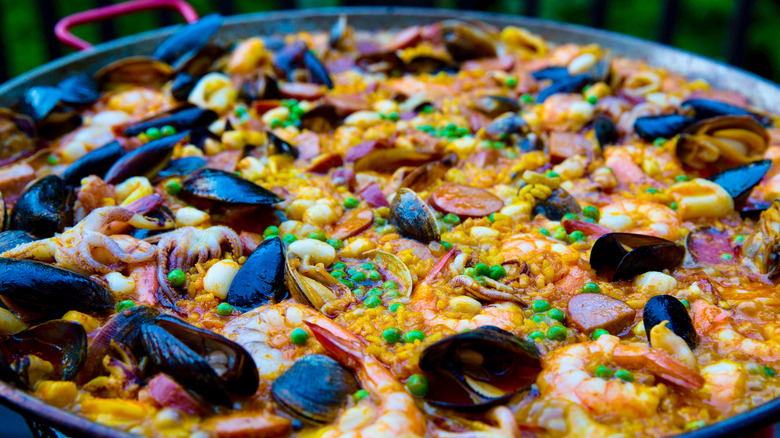
Paella is one of Spain's most famous and most recognizable dishes. Originally from Valencia, it is made across Spain, and the vast metal pans it is cooked in are an iconic feature of food markets and casual eateries. Traditional paella Valenciana is made with rice cooked with rabbit, chicken, snails, and beans, but common variations often include seafood, meat, and chorizo sausage. Whichever style you prefer, trying paella is a must for any foodie adventure in Spain.
But before you sit down to dinner and mull over the differences between paella Valenciana and paella mixta, it is worth noting that for Spaniards, paella is strictly a lunchtime dish. Traditionally, it was eaten by farm workers at midday, made using the common ingredients from the local countryside, and designed to fuel them for the rest of the day. So while plenty of restaurants may have paella on the menu, particularly in more touristy areas, bear in mind that for Spaniards, ordering it at dinnertime will be seen as a faux pas.
This ties into how the Spanish view their mealtimes more generally. Lunch is very much the main event, when Spaniards eat heartily and heavily, followed by a siesta. At dinner, the Spanish tend to eat far more lightly, or even just snack on tapas-style dishes. As a result, paella is seen as far too filling to eat late in the evening.
No tapas on the menu
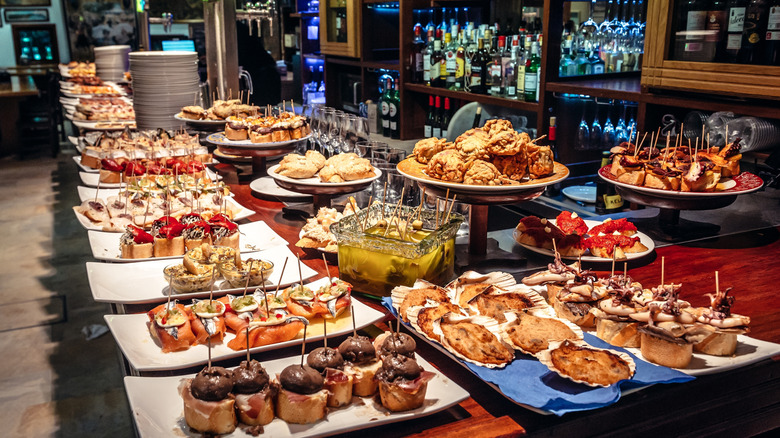
While paella might be well-known, tapas is the MVP of Spanish cuisine. If you ask anyone to name a quintessential Spanish dish, chances are they'll bring up a classic tapas dish, like patatas bravas, tortilla española, or chopitos. Tapas-style dining has taken the international food scene by storm, and places from New York to Tokyo are filled with small-plate restaurants.
However, in Spain, tapas-style eating is seen a little differently. For starters, tapas is actually a plural, coming from the verb tapar, which means to cover. An individual tapas dish is called a tapa. Secondly, tapas are almost always eaten as a snack, or an appetizer, rather than as a main meal.
Finally, and most importantly, if you find yourself in a sit-down restaurant with a tapas menu, chances are you are in a tourist trap. Tapas is rooted in bar culture, and traditionally served with drinks, rather than as a more formal sit-down meal. In fact, in the most traditional bars, when you order a beer or a glass of wine, you'll find it arrives with a small plate of food, even if you haven't ordered anything. So if you want to do as the locals do, try a more mobile dinner with a tapeo, a kind of tapas bar crawl, and nibble olives, cured meats, cheeses, and papas bravas with a glass of wine or a beer as you move from local spot to local spot.
Don't order a pint of beer
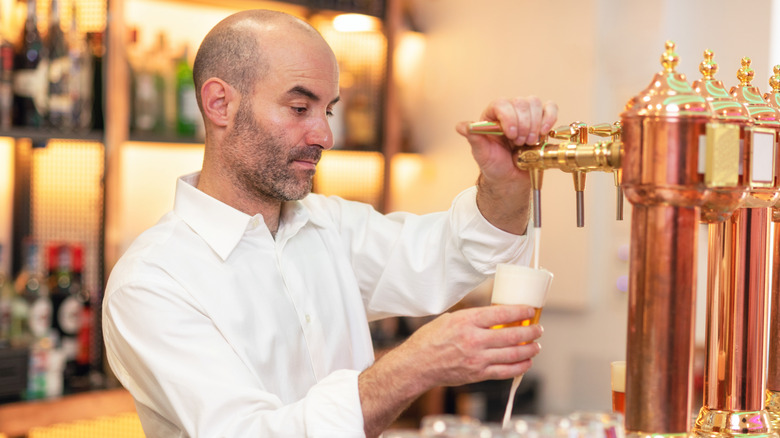
While not as well-known as the ales of the United Kingdom, the Trappist beers of Belgium, or the pilsners of Germany, Spanish beer is delicious. Spain can get pretty hot during the summer months, and there's nothing quite like a crisp, refreshing Estrella, Mahou, or Alhambra after a long day of sightseeing. Spain's salty, fatty cuisine also lends itself particularly well to a beer pairing, and if you are planning on eating tapas, chances are you'll be trying a few Spanish brews at the same time.
But while the beers in the U.K. and Germany might come in pints and steins, don't expect Spanish beer to be served in the same proportions! In Spain, beer is designed to be as refreshing as possible, which means it should be ice-cold when you drink it. This means that Spanish beer is served in small glasses, 7 to 10 fluid ounces, known as cañas, or in bottles that are usually roughly the same size. If you see people drinking pints or jarras, chances are you've picked a bar that is mostly popular with tourists.
While this might mean you need to make more frequent trips to the bar, or get the waiter's attention more regularly, it does mean you won't be nursing a warm half pint of beer on a hot summer's day. And if you are on a tapeo, ordering more beers means getting more complimentary tapas!
Don't expect to make substitutions
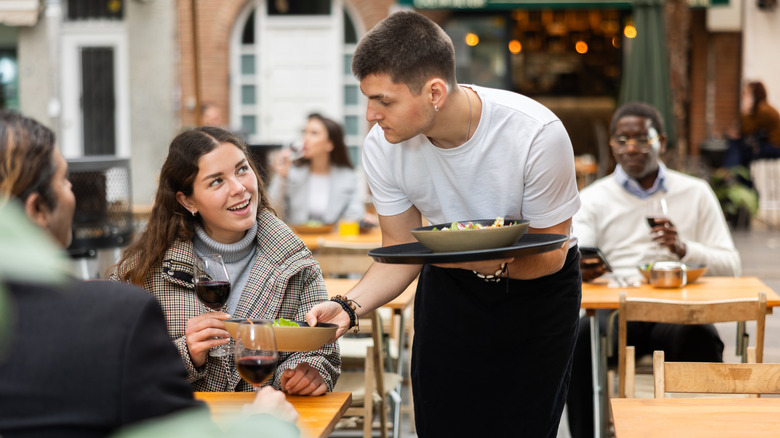
Spanish cooking leans heavily on fresh, locally-sourced ingredients, put together in perfect harmony and perfect ratio. Dishes like pan con tomate, patatas bravas, or pulpo a la gallega might sound overly simplistic, but they taste absolutely delicious. However, this focus on simplicity also means that Spanish cuisine doesn't have much time for customizing your dish. The chef has designed it just so, and that's the way it should be! This is particularly true of the menú del día, the classic lunchtime set menu that usually includes three courses at a price that tends to be great value for the money.
As a result, substitutions are not a common part of Spanish dining etiquette. Sure, some restaurants and some chefs will be happy to oblige to cater for certain specific tastes, and in the case of genuine allergies will always be able to omit certain ingredients, but as a matter of course, American tourists shouldn't expect to be able to swap out ingredients or components when ordering at an authentic Spanish restaurant. But diners shouldn't panic — there's a reason these ingredients and these dishes go together, and chances are the chef's choice will be as good or better than anything you might pick on your own!
Don't be overgenerous with the tip!
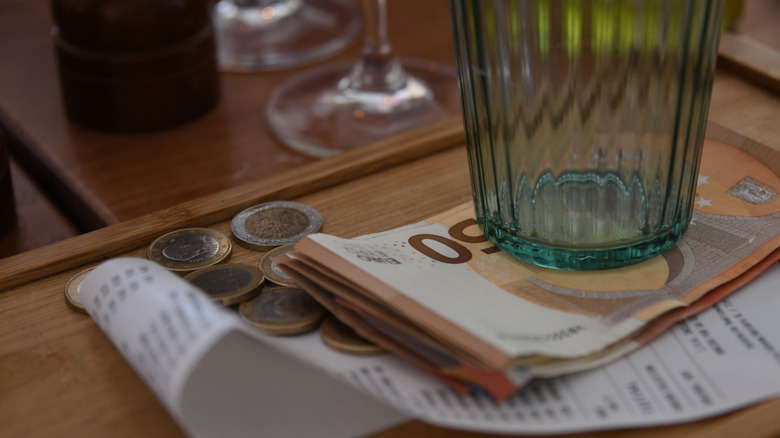
American tipping culture is very different from tipping culture in Europe. In the U.S., most diners wouldn't dream of paying for a meal out without leaving a 20% tip, and anyone tipping less can expect to get a few dirty looks from the waiting staff. But Spain's tipping culture is very different, and there are plenty of circumstances where tipping isn't expected at all, and certainly not the amounts common back home, although it is obviously very gratefully received!
In a tapas bar, for example, most locals wouldn't leave a tip on a bill under 10 euros, and would probably just leave a few coins or round the bill up on slightly bigger checks. At a restaurant, tipping these days is considered good practice, but very few Spaniards would choose to leave more than 10%, unless they wanted to reward exceptional service. This rule is understandably one that no one else at the restaurant will be unhappy to see you break, but leaving a 20% tip will still probably mark you out as a tourist.