

Grand Teton National Park's Premier Hiking Trail Boasts Sweeping Mountain Views
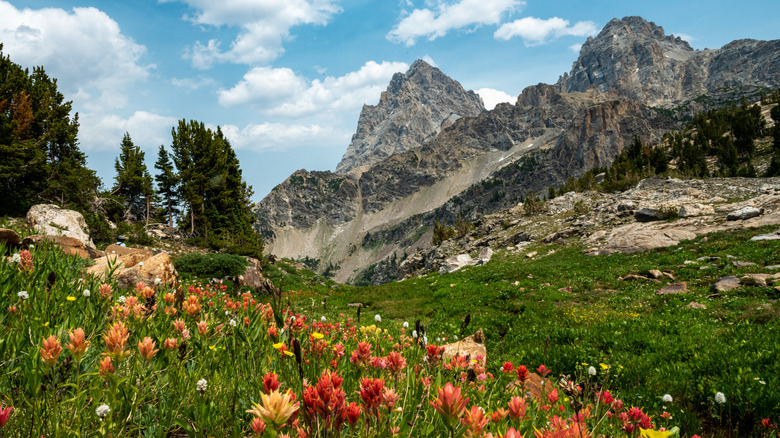
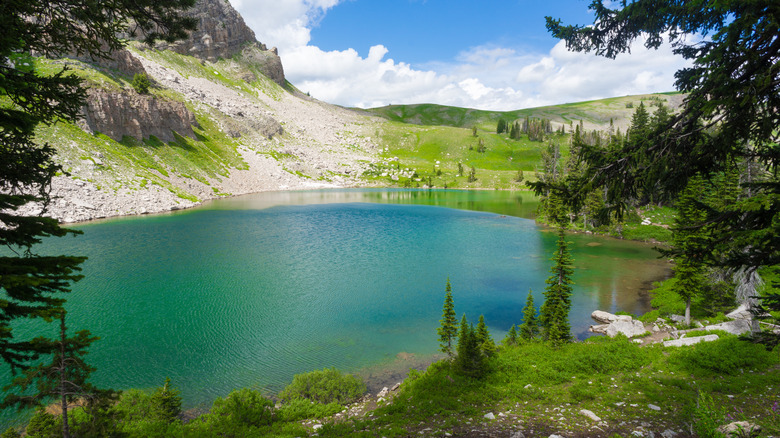
The 39-mile-long Teton Crest Trail is a magnificent high-altitude trekking route in Grand Teton National Park, offering panoramic views of jagged mountain peaks, high alpine meadows, and crystal-clear alpine lakes in Wyoming's Teton Range. Michael Lanza, a former field editor for Backpacker Magazine, ranked it "among the 10 best backpacking trips in America" in his blog, The Big Outside.
Jutting up from the plains to heights of more than 13,000 feet, the spectacular Tetons are among Wyoming's most celebrated natural features. But they're far more than a scenic backdrop for the perfect romantic getaway town of Jackson Hole. They are also geological marvels — the result of millions of years of powerful earthquakes — that now support a diverse array of plants and wildlife, from the lavender lupines growing in the meadows to the 300 species of birds, along with mammals like marmots, moose, bears, and beavers. Hiking the entire length of the Teton Crest Trail is a 4- to 6-day full-scale immersion in these Teton wonders, promising an adventure unlike any other in the park.
The trail is ranked moderate to difficult due to its altitude, length, and elevation changes. The best time to hike it is from July through September, when the route is free of most snow and ice and the wildflowers are popping. An AllTrails reviewer who completed the trip in August 2025 summed up their experience this way: "This trail has truly epic beauty. I didn't think any trail could rival the John Muir Trail for beauty, but this one does. ... All three days had gorgeous faraway views, and beautiful views of the Tetons. And lots of meadows with wildflowers."
Most important things to know about hiking the Teton Crest Trail
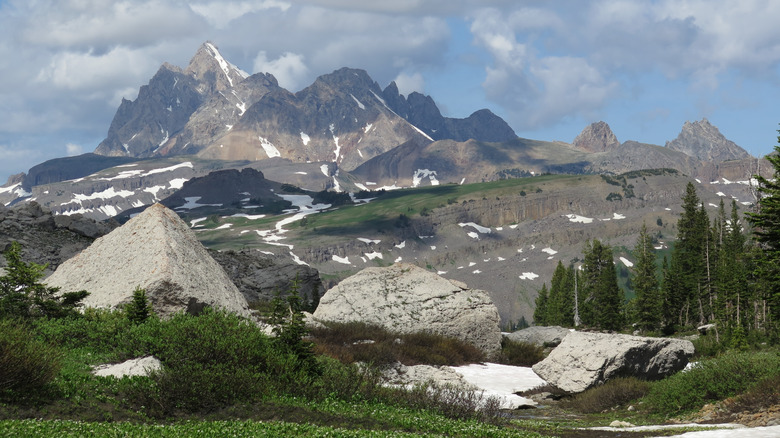
The point-to-point route, which most do from south to north, travels through the western part of Grand Teton National Park, through stunning areas like Death Canyon, Alaska Basin, and Paintbrush Divide. To complete the full length of the Teton Crest Trail, you'd start at Phillips Pass and finish up at String Lake, at the Leigh Lake Trailhead. However, many opt to take the Jackson Hole Tram from town to Rendezvous Pass at 10,450 feet and hop on the trail from there. This approach shaves 5 miles off the full-length route along with 2,500 feet of the elevation gain. It's also possible to access the Teton Crest Trail from the Granite Canyon, Coal Creek, and Moose Creek trailheads.
To do this trail safely, hikers need to be skilled in backcountry camping and navigation. They should also be fit enough to carry a backpack at elevations above 8,000 feet while tackling around 9,000 feet of elevation gain across the full length of the trail. Since snow and ice may linger in some sections of the trail, it's necessary to carry and know how to use both microspikes and ice axes. As grizzly and black bears are both active in Grand Teton National Park, all hikers should carry bear spray and use an approved portable bear canister to store food, garbage, and toiletries while in the backcountry. Water is plentiful along the trail in the form of lakes and streams, but as always, it's important to use a high-quality filter.
Be on the lookout for wildlife while hiking and camping on the Teton Crest Trail — for photographic opportunities as well as for your own comfort and safety. AllTrails reviewers have reported encountering moose, bears, elk, sheep, marmots, porcupines, and other animals, along with many mosquitos, so don't forget your bug spray. Hikers also recommended storing gear and bags above ground and inside your tent at night to keep them away from curious porcupines. Grand Teton National Park rangers also warn visitors to be wary of rockfall while exploring the park.
Preparing for your adventure in Grand Teton National Park
Unless you venture off trail to camp outside the park boundaries (e.g., around the Alaska Basin), pitching your tent in one of the 11 national park camping zones along the trail requires an official overnight backcountry permit, which you can obtain at Recreation.gov. Advance reservations are available for a portion of spots in each camping zone along the trail; otherwise, some walk-up reservations are available no sooner than one day before a trip on a first-come, first-served basis.
Getting to the trailhead couldn't be any easier than it is in these parts, as the Jackson Hole Airport is located within the bounds of Grand Teton National Park, only 10 miles from the Jackson Town Square. As a premier resort town, Jackson Hole has all the resources you need to help you prepare for your excursion. These include gourmet grocery stores, where you can load up on energy bars and other wholesome snacks, and outdoor retailers selling technical clothing and footwear, bug and bear spray, water filters, and all the other latest and greatest backpacking gadgets. After you return from your trip, rest up for a few days, and then check out more top hiking trails in Grand Teton National Park.