

The Annoying Travel Trend Boomers Hate (And We Can't Blame Them)

It's no doubt that the internet and cell phones have changed the way we travel. Aside from booking flights online and navigating with Google Maps, social media has changed travel too. Over the past decade or so, people with substantial social media followings have been crossing into the travel industry. Sometimes travel is a central focus for the online accounts these "influencers" are running. However, combining influencing with travel isn't sitting well with everyone, particularly among the baby boomer generation.
Full-time globetrotter and boomer Frank Thomae discussed on his blog that influencer culture "reduces travel to it's "Instagrammability.'" Instead of enjoying the sites and learning about a different culture, he believes that social media personalities and travel influencers are too focused on taking amazing photos of themselves in beautiful locations. They are often in the same handful of viral picture-perfect destinations like Santorini or Bali as well, thus making these places more crowded. It's clear that followers of these influencers are indeed being influenced. The Independent reported that 40% of millennials are drawn to specific destinations based on Instagrammability. Therefore, how one's travel adventures will look to online followers holds significant value.
Boomers are less likely to follow influencer recommendations than younger generations
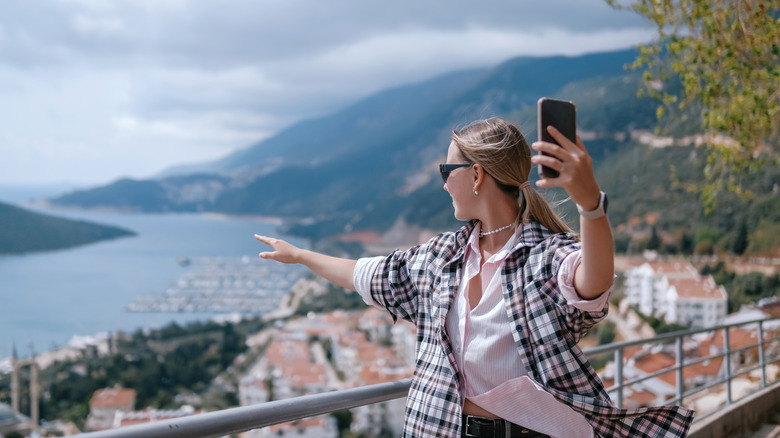
Boomers' product consumption trends reflect how they feel about influencers as well. Stacked Marketer found that only 9% boomers have purchased products due to an influencer's endorsement, compared to 45% of Gen Z and 33% of millennials. The report went on to claim that, "To boomers, 'influencer' translates to 'paid actor with nice teeth.'" If boomers aren't buying what influencers are selling, they likely won't be seeking out destinations just because its where all the social media stars are going.
No matter which generation you come from, the common consensus regarding social media is that it often does not reflect reality. Before a couple took their romantic photos in a gorgeous beach town, they could have dealt with frustrating hotel scams experts warn about or struggled to figure out the town's public transportation system. Those hitting "like" on the picture-perfect beach vacation posts might not be getting the full picture of what it's actually like to visit the destination in the photos. This is another issue which boomers like Frank Thomae have with travel influencing.
Younger generations know that social media isn't reality, but use it anyway
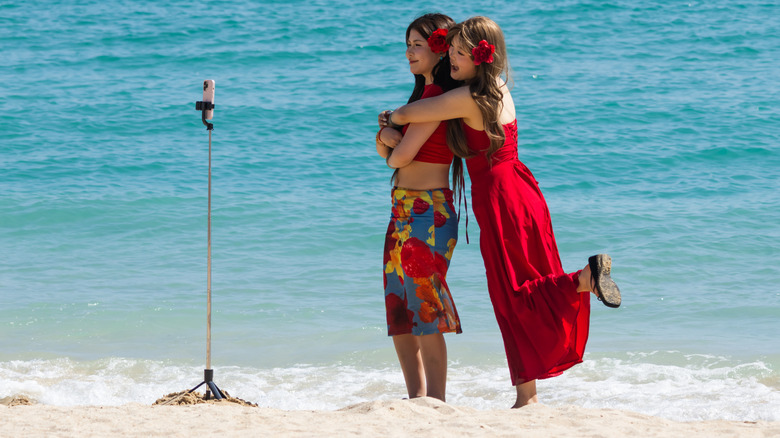
People of all ages are wondering about the potential lack of authenticity in travel content from social media influencers, which is why we can't blame boomers for getting annoyed with influencer culture. Jen Smith and Jill Sirianni from the YouTube channel Frugal Friends are not boomers but expressed in one of their videos that, although some influencers do reveal less-than-perfect aspects of their travels, the glamorous trips many influencers take are not for the average Joe. Paid brand partnerships play a role in what they get to do on such trips and how highly they speak of their experiences.
Plenty of young people are expressing a desire for authenticity in their travels, hoping for more than that perfect photo with the otherworldly backdrop. Yeditepe University's tourism management professor, Dr. Demet Genceli, stated that Gen Z travelers want to "share a meal with local communities, or take part in a tea harvest" and prefer more immersive experiences. Even still, the internet remains paramount in their travel trends. "Digital engagement and social media visibility are critical drivers behind Gen Z's travel choices," she explained. Perhaps these younger generations know that social media is not all that meets the eye but would still rather use it for travel inspiration than boomers.