

This California State Park Is A Hidden Gem With Golden Beaches And Miles Of Trails
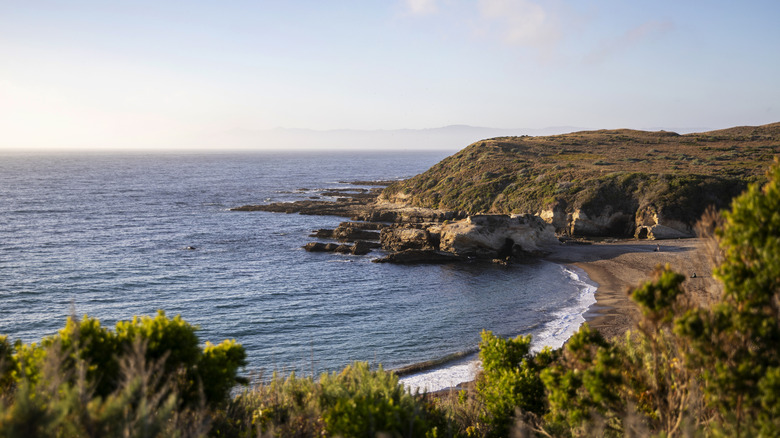
The California coast is one of the most beautiful parts of North America. Stretching 840 miles, it has the third-longest coastline of any state in the U.S., and boasts a fabulously diverse set of landscapes and experiences. On this coastline you can see the rugged cliffs, mountains, and towering redwoods of North California all the way down to the endless golden beaches and otherworldly desert landscapes in the south.
For travelers looking to explore the best of the Golden State's coastline, California's coastal state parks are a godsend. These gorgeous, protected areas offer natural beauty, amazing outdoor experiences, and wonderful beaches. They are ideal destinations for anyone looking for a combination of adventure, enjoyment, and relaxation. Spots like Point Lobos State Natural Reserve near Carmel-by-the-Sea or the dramatic Limekiln State Park near Big Sur are famous, and while beautiful, can sometimes be a bit crowded. Montaña de Oro State Park, on the other hand, is a fabulous hidden gem near Los Padres National Forest, blessed with stunning golden beaches, miles of fantastic hiking trails, and relatively few visitors.
Montaña de Oro State Park is situated near the town of Los Osos, in Morro Bay. It is 15 miles west of San Luis Obispo, around 145 miles west of Bakersfield, and roughly midway between Los Angeles and San Francisco. The nearest international airport is Fresno Yosemite International (FAT), which has direct flights from across the U.S. and Mexico, and is just under three hours away by car. Norman Y. Mineta San Jose International (SJY) and Los Angeles International (LAX) are both around 200 miles away.
Beautiful beaches backed by wildflowers
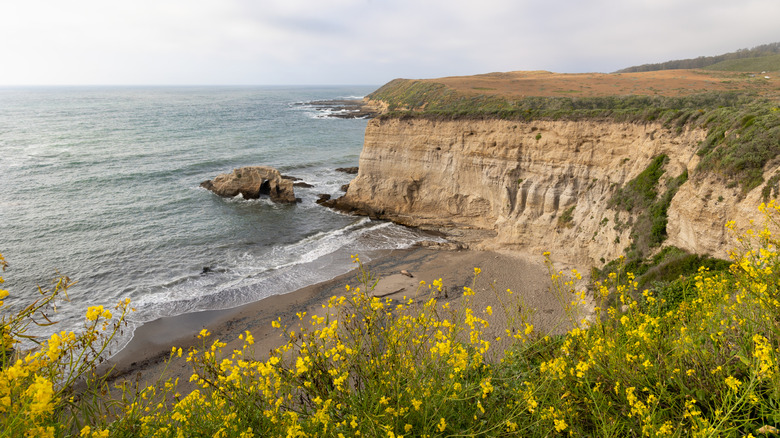
As noted by California Beaches, Montaña de Oro State Park has managed to keep a relatively low profile thanks to the popularity of the other, more well-known beaches in the area. But that low profile is what allows this glorious little corner of Californian paradise to shine. It boasts three gorgeous golden beaches, which are perfect for families thanks to their soft sand and delightful tidepools, allowing kids to spend plenty of time searching for shells and crustaceans in the rocky recesses.
Spooner's Cove is the best-known beach in Montaña de Oro State Park, and the most accessible, being situated extremely close to the park's Islay Creek Campground. The cove boasts a lovely golden beach, with plenty of large rocks for climbing, and tide pools that are exposed at low tides. For long, lazy beach walks, Sandspit Beach is the widest, longest, and most picturesque, while Coon Creek Beach is both the smallest and the most secluded, accessible only via the Point Buchon Trail.
Although the name makes it sound like something from the Gold Rush era, Montaña de Oro was actually named for the exquisite golden wildflowers that cover the hills inland. It is also a wonderful location for spotting wild California poppies, if you visit from March to May. The beaches also offer wonderful ocean panoramas, as well as views of the distinctive Morro Rock.
Magnificent trails for hiking, biking, and horseback riding
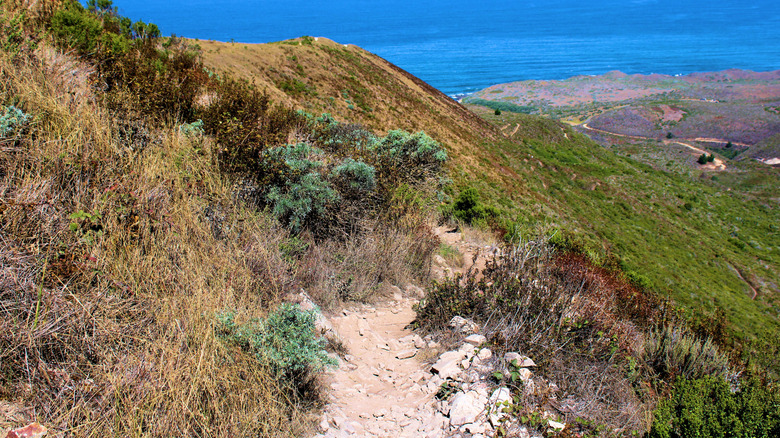
One of the best features of Montaña de Oro State Park is its fantastic network of trails, winding their way up from the coast and through the hills and forests just inland. The trails are ideal for walkers, mountain bikers, and horseback riders. They'll take you up and over the four main peaks in the park: Valencia, Oats, Alan, and Hazard.
A great option for beginners, families, or anyone who wants a gentle hike is the Bluff Trail. Starting from the car park at Spooner's Cove, this 4-mile out-and-back route is pretty flat and sticks to the cliffs, offering amazing ocean views all the way around and some excellent opportunities to see California poppies. The Valencia Peak Trail is a little harder, taking you up to the top of Valencia Peak, with superb views of Morro Bay. Meanwhile, Oats Peak Trail is great for wildlife watching and gorgeous hillsides covered in wildflowers.
The most serious hikers may want to take on the Hazard Peak Trail. It is one of the longest routes in the park, at around 12 miles, and includes some reasonably taxing climbs. It is also worth keeping an eye out for poison oak, which has been reported by several hikers.
For more to do in the area, check out this nearby California state park with stunning bayside camping.