

Hawaii Tourism Isn't What It Used To Be. Here's What To Expect In 2026
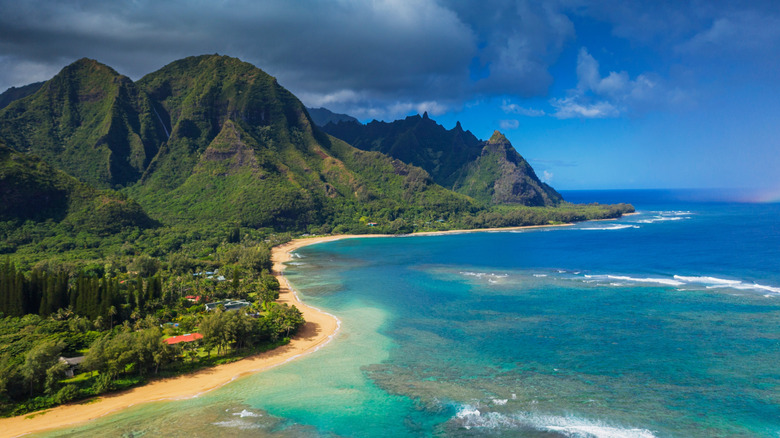
Hawaii has long been one of the most celebrated vacation destinations in the world and a mainstay of U.S. domestic tourism for decades. With its incredible natural beauty, gorgeous beaches, and stunning surf breaks, island-hopping in Hawaii is the ideal vacation destination for sun, sand, and sea. Best of all, U.S. visitors don't even need a passport to visit, which makes it even more attractive as a vacation destination. But Hawaii's status as one of the best places to travel has changed in the last few years.
The islands' popularity has taken something of a hit, with Hawaii losing ground to competing destinations. A combination of global instability, rising costs, major storms, and significant changes in the vacation habits and styles of tourists has meant that Hawaii tourism is not what it once was, which has led to a very different feeling on the islands.
Hotels, attractions, and small businesses are feeling the pinch, as the growth in tourist numbers slows significantly or even plateaus, and year-on-year spending decreases. Popular events have seen cancellations due to weather concerns, and tourists are spending less time in Hawaii on average than in previous years. In an interview with SF Gate, Jayne Kerns, a local business owner, said, "We used to [rely] on busy season December-February when kids were out of school and the snow birds were on island, a spring break bump & then summer vacation busy-ness but none of that has been reliable the last few years." If you're planning a trip to Hawaii in 2026, it might look a little different than usual.
What's behind Hawaii's reduced popularity?
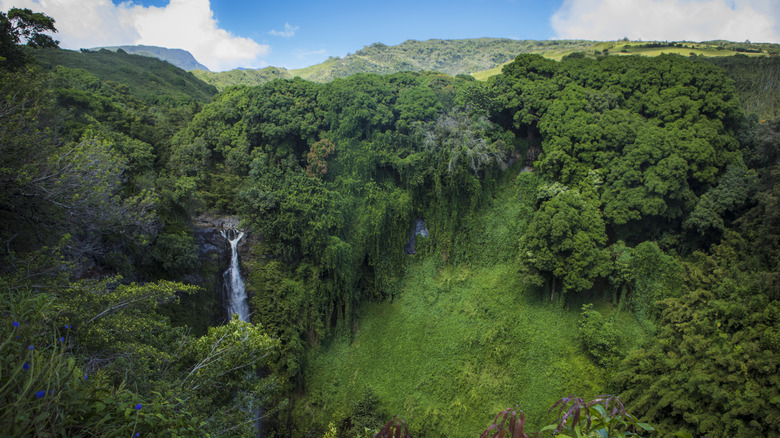
In the last couple of years, Hawaii's tourism industry has taken a bit of a hit for a number of reasons. The most immediate and relevant impact on visitor numbers to Hawaii has come from the recent Kona Low storms, which hit the islands in March 2026. This came at a time when spring break crowds usually arrive and caused a significant reduction in the number of arrivals. According to a report from the Hawaii Department of Business, Economic Development, and Tourism, visitors who arrived via out-of-state cruise ships were down by nearly 40% compared to the previous year, and average daily visitor numbers were down overall by 5.1% (via the Office of the Govenor of Hawaii). The storms also meant that flights were delayed, and many visitor attractions were closed.
But it's not just short-term reductions caused by environmental factors that are behind Hawaii's reduced popularity. International interest in Hawaii as a destination has dropped significantly, with the islands now largely reliant on U.S. domestic tourism. The cost of travel, and costs in Hawaii specifically, keep going up, and this has caused international travelers to look elsewhere. According to Eric Takahata of Hawai'i Tourism Japan, "Hawaii continues to rank as the most desired overseas destination among Japanese travelers, but high prices are suppressing bookings." This tracks with info shared by Tourism Analytics, which show plenty of travelers still express an interest in Hawaii but far fewer people are actually visiting.
As Hawaii has become more expensive, the travel landscape in the islands has changed. The number of visitors has continued to grow (albeit slowly), but the majority are now bigger spenders from the mainland U.S. who tend to stay on the main islands, spend less time overall, and spend more money in resorts rather than small local businesses.
What to expect when visiting Hawaii in 2026
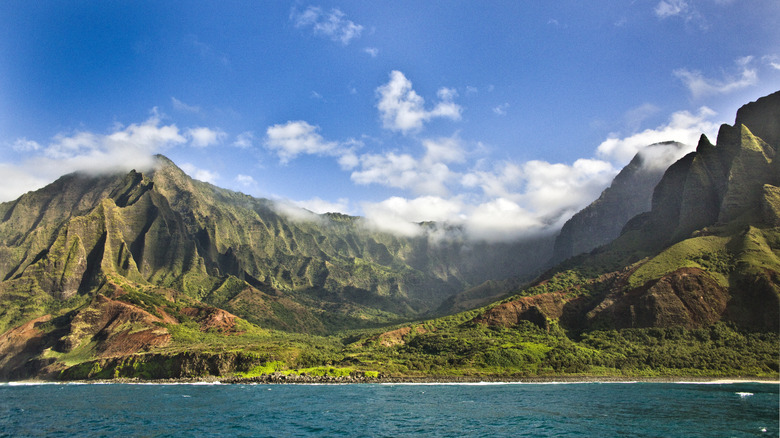
So what can tourists visiting the islands in 2026 expect? For starters, Hawaii is likely to be emptier than in previous years, with less crowded beaches, quieter restaurants, more rooms available in hotels, and fewer people on the hiking trails. This means that for those travelers who do make it over, the experience might be a more pleasant one than in years gone by. However, it's not all great news for tourists, as the newly increased Transient Accommodations Tax means that overnight stays will be more expensive this year.
The islands do need to recover from the Kona low storms that struck the colorful beaches of Hawaii in March 2026, but luckily the damage has not been too severe. As David Hu, CEO of A|T Collective and Pleasant Holidays, told TravelAge West, "I was just there, and it's freakin' gorgeous. There are some places on the North Shore where they've had some issues, but for the most part, it's in great shape." Plans are in place for a full recovery plan, with the Hawaii Department of Business, Economic Development & Tourism announcing funding for a tourism recovery campaign to sustain local businesses, protect local jobs and uplift communities across the islands.
But full recovery for Hawaii will mean more than just repairing the damage. With the islands losing out to other tropical destinations, such as the stunning resorts of Mexico, a more comprehensive approach is required. More investment in marketing and relationship-building will be required in order to attract domestic and international tourists in the face of rising costs.