

This Abandoned Town On The Shores Of Lake Michigan Is Full Of Midwestern History
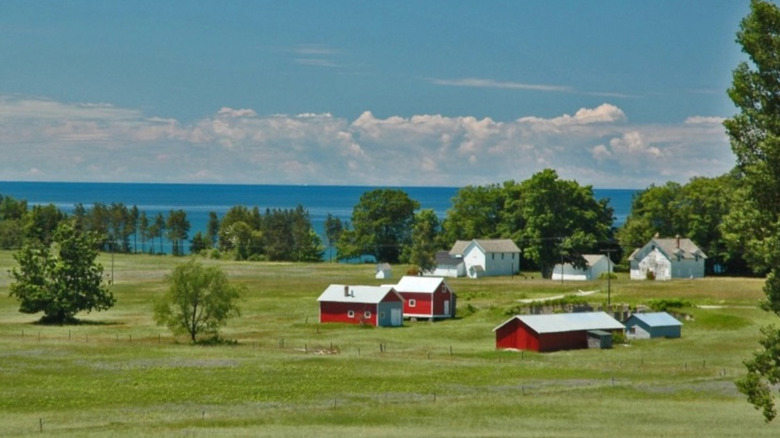
Sleeping Bear Dunes National Lakeshore stretches along the northwestern coast of Michigan's Lower Peninsula, known for its high-rising sand dunes and for having one of the most breathtaking beaches along Lake Michigan's coastline. It's a popular destination for an outdoorsy family getaway, but in a quieter portion of the park, the Port Oneida Rural Historic District is ideal for history lovers. This well-preserved agricultural landscape showcases a rich history of the everyday lives of the 19th- and 20th-century settlers.
Spread out over about 3,400 acres on the lakeshore, the Port Oneida Rural Historic District is among the largest and most intact historic farming areas under public ownership in the United States. It includes more than 100 historic sites that date back to the mid-1800s. The early settlers arrived in the 1860s when the area served as a port for the lumber industry and relied on the workforce of immigrants. Cordwood was supplied to passing ships, and small farming practices sustained the community until timber resources dwindled in the late 19th century. The community shifted towards agriculture, relying more on dairy, maple syrup, and general farming practices to sustain their livelihood.
Economic pressures in the 20th century forced many of the residents to pick up work in nearby towns, leading to a gradual abandonment of the farms. By the 1920s, the original port village had all but become a ghost town. The area made a transition from active settlement to a preserved cultural landscape, and in the 1970s Congress incorporated it into the Sleeping Bear Dunes National Lakeshore. It made its way onto the National Register of Historic Places in 1997, recognizing its value in showcasing the lives of ordinary farming practices across generations. Today the district serves as an authentic window into rural pioneer life.
Exploring Port Oneida Rural Historic District
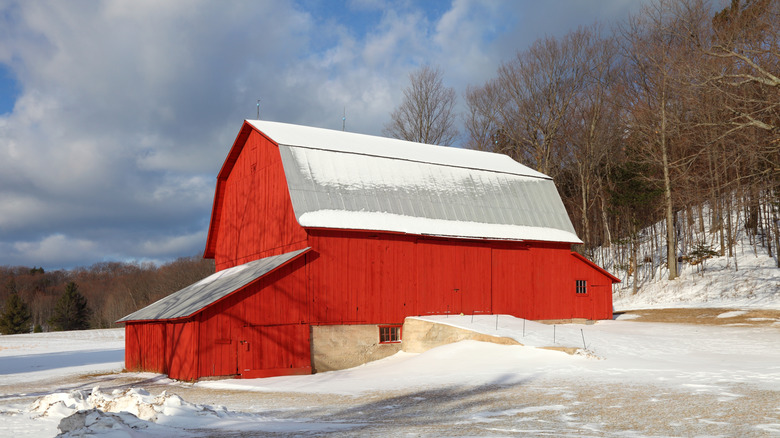
Visitors to Port Oneida will encounter a setting shaped by generations of agricultural and manual labor. It's a place where weathered farm buildings stand in open fields and wooded hills offer grand views of Lake Michigan. The Charles and Hattie Olsen Farm serves as the main starting point, housing the Port Oneida Heritage Center. Inside the restored farmhouse and barn are exhibits that introduce the area's history, including displays of Native American presence and European settlements. Some original touches still exist like the hardwood floors and the woodwork within the structure.
Several farmsteads and other historic buildings offer insight into the daily lives of the agrarian community. The Kelderhouse Farm once functioned as a multi-use space operating as a grocery store, post office, and community gathering space. The Thoreson farm and other farmsteads showcase layouts inclusive of barns, milk houses, and sugar shacks used for maple syrup production. A historic schoolhouse and some cemeteries have been revamped and are open for exploration.
The Bay View Hiking Trail is an 8-mile network that includes the 2.4-mile farm loop that passes historic structures and scenic overlooks of the lake and countryside. The Sleeping Bear Heritage Trail is suitable for walking and biking and follows a 10-foot-wide path through idyllic forests. These trails wind past dozens of well-preserved farmsteads and historical artifacts. In summer, don't miss the guided horse-drawn wagon tours pulled by Belgian draft horses for a full immersion into the pioneering way.
Planning your visit to the Port Oneida Rural Historic District
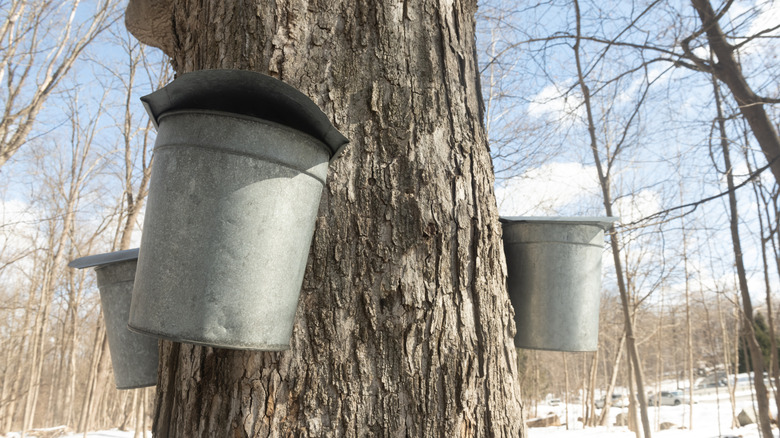
The Port Oneida Rural Historic District welcomes visitors year-round, which is great news for those looking to explore the grounds on their own. The heritage center is open from late May through early September if you'd rather book an informative tour. You'll also find great events throughout the year like Maple Sugar Days, held the first weekend in March, which celebrates the traditional maple sugaring techniques and includes a community pancake breakfast at the homestead. The Port Oneida Fair in early August brings the ways of the pioneers back to life through historical reenactments, craft demonstrations, and wagon rides.
The district is about a five-minute drive from Glen Arbor, one of the best lake towns in Michigan worthy of a weekend getaway. If you're flying in, Cherry Capital Airport (TVC) in Traverse City is just half an hour away by car. Note a valid national park pass is needed to enter Sleeping Bear Dunes National Lakeshore. A Standard Pass costs $15 for a single entry, or you can use your Annual Pass or America the Beautiful Pass for access. If you're covering more of the national lakeshore, make sure you avoid this dangerous mistake when exploring the dunes.