

Here's What Happens To Visitors Who Die In US National Parks
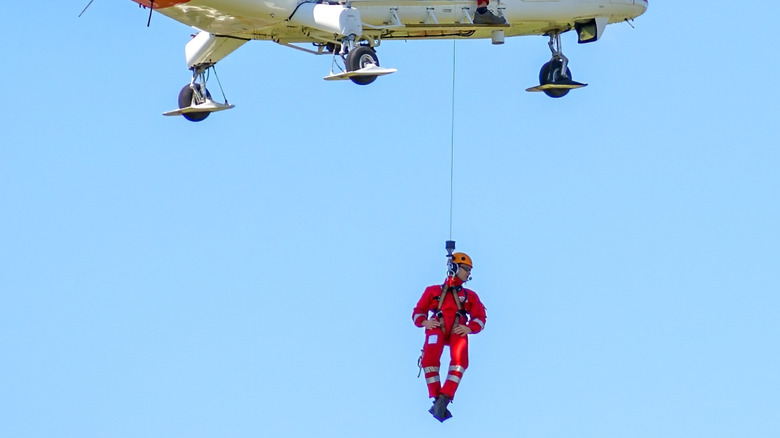
If you're someone who loves outdoor adventures, wildlife, and spending your days immersed in nature, you've probably dreamed of visiting some of the best U.S. national parks. They're amazing places to experience the raw and untamed natural beauty of North America, but they can also be dangerous. Although park rangers and employees do their best to ensure that every tourist has a safe and enjoyable visit, deaths in national parks are more common than you might think. When people die in national parks, what happens next looks a bit different than it would elsewhere. Often, intense search missions are required to retrieve the body, which may call for helicopters, first responders, and community volunteers.
Whether you dream of climbing the rugged peaks of the Rocky Mountains that climb high above the clouds, wandering through otherworldly desert scenery surrounded by giant cacti, chasing waterfalls, or exploring rocky coves and hidden beaches, you're sure to find a U.S. national park that answers your call to the wild — "wild" being the key word. Nature can be unpredictable, and human error can lead to serious injuries and death.
Each year, hundreds of people die within the borders of U.S. national parks. People who embark on wild camping excursions and travel into the wilderness unprepared can find themselves in life-or-death situations. Hikers and climbers who embark on risky adventures or go off trail are in danger of deadly falls from towering cliffs or getting lost in the woods. Some people are rescued before the worst-case scenario happens. Others aren't so lucky. When people die in national parks, there are special protocols. From the initial searches for missing persons to the moment that authorities notify family members and friends that their loved one has passed, special care is taken for those who die in U.S. national parks.
Deaths in national parks often require intense search missions
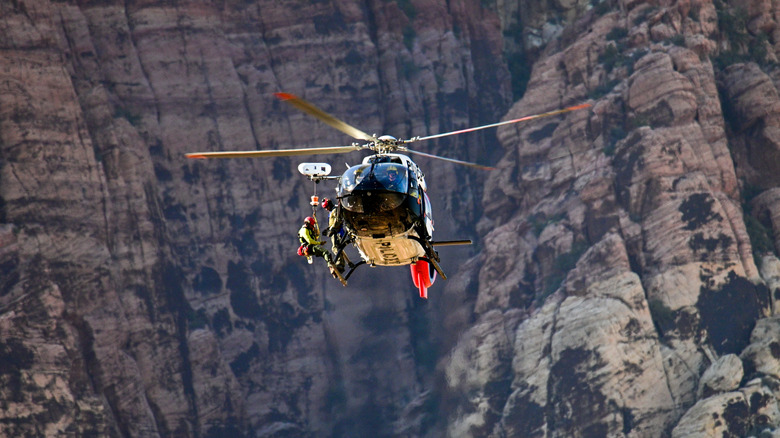
According to the United States National Park Service website, an average of 358 people die in national parks each year. That number is based on data collected over a six-year period, and it equates to about seven deaths per week. There are more than 400 different sites managed by the National Park Service, and 177 of them have reported at least one death during the same six-year period. There are many different causes of death that occur within the park system. About half of them are unintentional or accidental, with the leading causes being car accidents, falls, and drownings. Medical deaths, like heart attacks, also occur. When unexpected medical emergencies occur in a remote area, help might not be able to reach people in time.
Park rangers and employees work hard to ensure that every traveler has a safe visit to national parks, and most people do. The moment a person is reported missing, park service employees take action. First they do what is called a "hasty search," which basically means that they quickly begin searching the last known location of the missing person. Rangers will begin walking the trails and looking for clues that may help find the person. Many times, regardless of whether the missing person is alive or dead, they are found during the initial hasty search.
If the hasty search isn't enough, a more intense search party will take place. The search party may include national park service employees, first responders from nearby towns, community volunteers, and search and rescue dogs. They will often create a grid search of the entire area. Equipment like planes, helicopters, and boats may be used to try to find the missing person.
Recovery efforts and next steps after a death in a national park
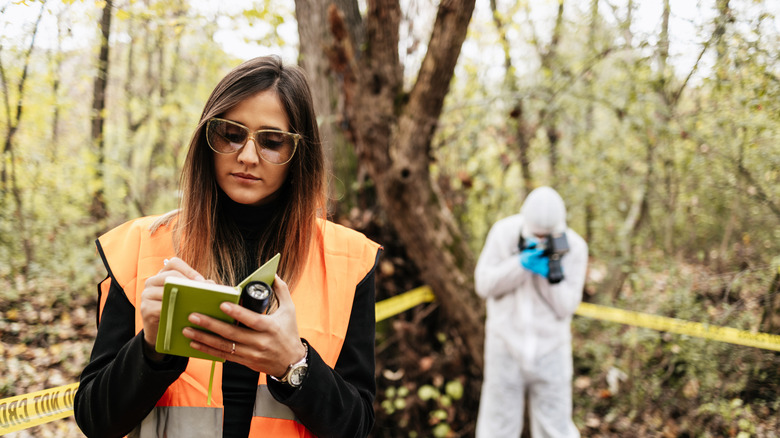
Once the situation is declared a recovery mission, which means that they are no longer looking to rescue a living person but instead searching for the body of a deceased person, fewer resources may be allocated to the search.
When someone dies in a national park, authorities will do everything possible to recover the body. However, sometimes the bodies are found in very remote or hard-to-reach places. These are often some of the deadliest places in national parks. If rescue and recovery personnel believe that it is physically unsafe to recover a body due to harsh weather conditions or other factors, they may wait until a safe recovery is possible. If the death occurs due to a heart attack on the trail, a search might not be required. Instead, the process will be similar to what would occur in any other public or private place. An ambulance with emergency services and law enforcement personnel will respond at the scene.
Regardless of whether a dead body is recovered via a wilderness search or not, it will have to undergo an investigation to determine the cause of death. Authorities may also have to find out a deceased person's identity, especially if significant time has passed between the death and the recovery of the body. State, federal, and county officials may all play a role in the process. While the body is undergoing examination by medical personnel to determine the cause of death, whichever law enforcement agency has jurisdiction will work on notifying the next of kin. The cost of search and recovery efforts is usually covered by funds set aside by the National Park Service. After the cause of death is determined, the person's remains will be handed off to their family.