

Walking On This Stunning Italian Beach Sounds Like Magical Music With Each Step

Italy is well-known for its stunning beaches, from the shores of Puglia and Positano to Sicily. They offer incredibly clear waters that define the Mediterranean coastline here, but none deliver an experience that engages the senses quite like Cala Violina.
Cala Violina, which translates to "Violin Cove," is found in the Bandite di Scarlino Nature Reserve along the Tuscan coast between Follonica and Punta Ala. It gets its name from the distinct sounds produced by the quartz sand. When the waves wash over the fine grains or visitors step on the beach with just the right amount of force, these quartz crystals vibrate at frequencies between 500 and 2,500 hertz and create a sound similar to someone playing the violin. This rare acoustic effect gives the location its nickname as a "singing beach" or "sound beach," and it only occurs in a handful of locations across the globe. The phenomenon has been documented for centuries, with even Marco Polo referencing the singing sands in the Gobi Desert as early as the 13th century.
Cala Violina forms a half-moon shape framed by rocky ridges, and the white powdery sand gently reaches the crystal-clear turquoise waters. The area is under a protected status which aims to preserve the unspoiled beauty here.
Cala Violina is a quiet haven with singing sands
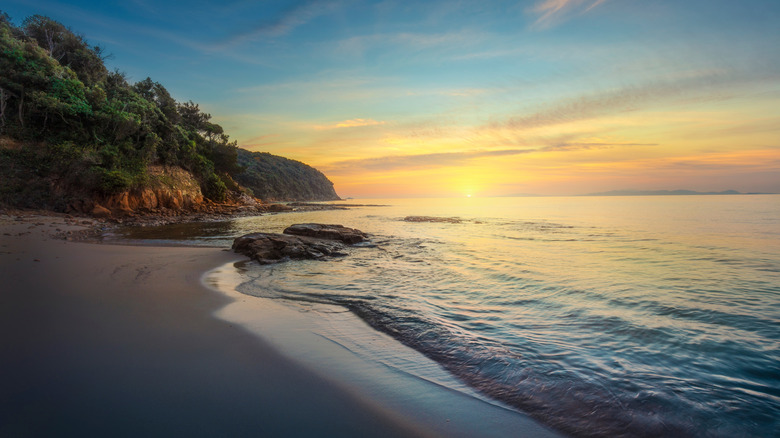
Cala Violina is located within the Bandite di Scarlino Nature Reserve, which protects the area and limits access, prioritizing the ecosystem over all else. The beach is surrounded by the thick pine forests that create a natural barrier against outside noise. But even with the sound insulation, the natural violin effect is dependent on low humidity and requires minimal disturbance. Even the slightest uptick of moisture in the air can silence the singing sands.
Cala Violina isn't akin to places like Forte dei Marmi, perfect for a fabulously high-end vacation. There aren't any permanent buildings, hotels, or restaurants on the shore, and visitors can only arrive by foot, bicycle, or boat — there is no direct road to the beach. There are a few short trails around a mile long that cut through the shaded woodlands. It typically takes visitors about 30 minutes of walking to reach the singing sands. During the peak summer season, a small refreshment stand pops up to offer basic items like sandwiches and cold drinks to visitors. There are also a few shaded picnic tables, but otherwise, no facilities exist. Bring everything you need for the day: towels, sun protection, food, water, and your own snorkeling gear. This untouched and pristine beach is a stark comparison to the busier beaches around the country, like Italy's "Bay of Orange Blossoms."
Planning your trip to Cala Violina
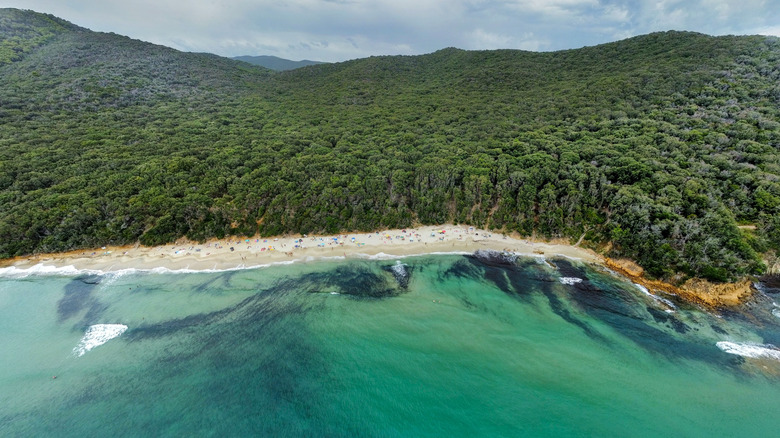
Cala Violina is about a two-hour drive south from Florence or about 1.5 hours from Pisa, and both cities have major international airports. Summertime brings great temps for swimming and snorkeling, but crowds peak in July and August. The spring and fall shoulder seasons have fewer visitors, and the quiet means there's more of a chance to hear the sand's musical act. If you can only go during peak season, head to the beach in the early morning or later afternoon for the best chance to hear the enchanting sound.
During high season, from June 1 to September 30, access is limited to a set number of people per day. Reservations are mandatory and can be made online in advance through the official website. Make sure to check current conditions, especially as high humidity might affect the sand's ability to create its unique musical frequencies.
To reach the beach, visitors can park in designated parking spots in the nature reserve and follow marked trails to the beach. Boat tours can offer a different perspective on the beach and can be booked through a variety of charters. For another pristine beach in Italy, add this hidden rocky cove in Calabria to your bucket list.