

Why Mexico City Is A No-Go Summer Vacation Destination In 2026
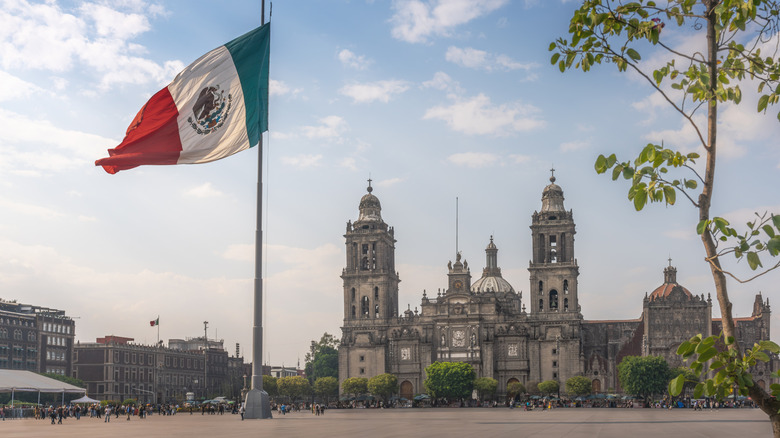
Mexico City is full of opportunities to uncover Mexico's rich heritage. The megacity is home to millions of people, and it's full of unique neighborhoods to explore. From traditional street food served on carts throughout the city to luxurious high-end restaurants that serve elevated cuisine celebrating traditional ingredients, the gastronomy leaves foodies in awe. If Mexico City is on the top of your travel bucket list, you're certainly not alone — but you may want to skip visiting in 2026 since the locals are not happy about mass tourism.
Mexico City is extremely popular amongst travelers. In 2025, around 65 million people visited from all over the world. Like other popular destinations around the globe, it is being plagued by overtourism. The locals, it seems, are fed up with tourists taking over their beloved city.
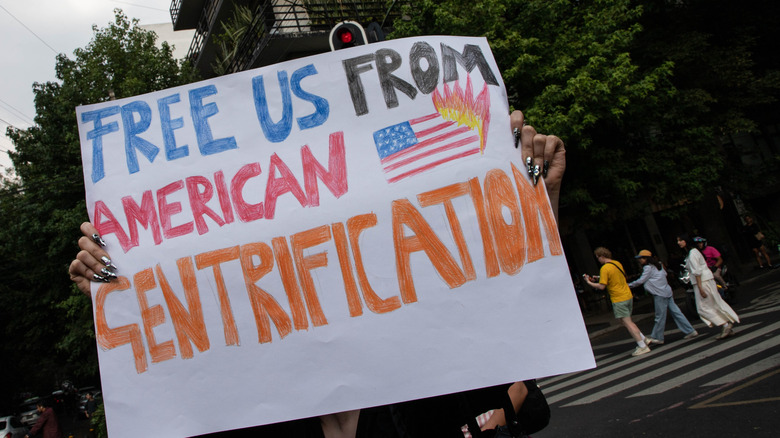
People who call Mexico City home are becoming increasingly angry about the problems that excessive tourism is causing, like gentrification and unaffordable housing. Last summer, hundreds of locals protested in the streets, with messages telling tourists to go home. Although Mexico City is a fabulous destination, you might want to avoid visiting this summer to ensure you're not contributing to overtourism. Instead, plan a trip at a future date when the locals are more open to international visitors and the city has effectively addressed these concerns.
Mexico City residents are fed up with the massive amounts of tourists
Mexico City is the 8th most populated city in the world according to Britannica. The 2026 population estimate for the entire urban area is over 25 million people. In an already crowded city, mass tourism can be a major issue. Locals have started to make their frustrations known.
On July 4, 2025, hundreds of protesters took to the streets. The demonstrations were mostly peaceful, but they did escalate in some areas. In Roma and Condesa, two neighborhoods popular with tourists and digital nomads, protesters smashed storefront windows. As the Associated Press reported, some wearing masks even looted shops and businesses. Some protesters even targeted tourists, harassing visitors on the street or in restaurants. Protests continued throughout the month.
The protesters carried signs that said things like, "Gringos stop stealing our home" and "Mexico is for Mexicans." There was even some graffiti with terrifying language like "Kill a Gringo," according to a report by CNN and backed by video clips. Clearly, residents of Mexico City are fed up, so it might be a good idea to plan your summer vacation elsewhere this year. Mexico City also made the Fordor's Travel No List in 2026, which aims to draw attention to countries struggling with unsustainable pressures due to overtourism and help travelers make more informed decisions.
How tourism causes problems for locals in Mexico City
Tourism can be a boon for economies around the world. Tourists tend to spend a lot of money on experiences, accommodations, food, and souvenirs during their trips abroad. That spending really begins to add up in popular destinations around the world, and tourism plays a significant role in creating thousands of jobs and developing infrastructure. In Mexico, the United Nations estimates that tourism makes up about 8.7% of the country's total GDP. That being said, when a city becomes overrun by expats and travelers it can have negative impacts on the locals.
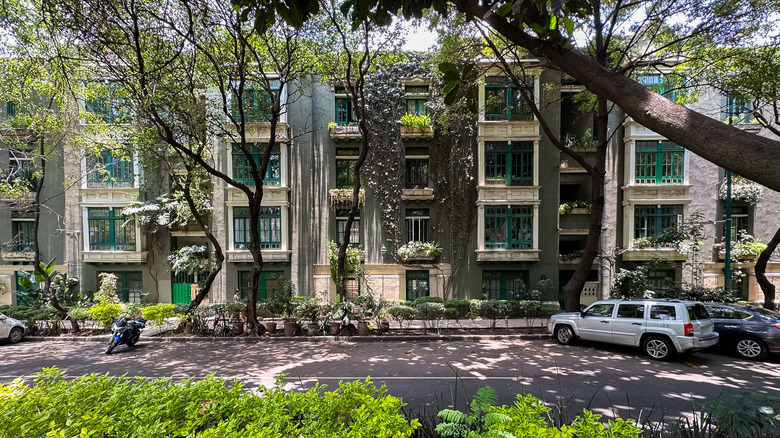
In Mexico City, the locals are dealing with gentrification and other issues that stem from tourism. As the city has become more popular amongst international visitors, the short-term rental industry has thrived. Local and foreign investors have opted to create Airbnbs and other vacation accommodations in houses and apartments that would otherwise be used as long-term dwellings by locals. It has caused rent prices to increase significantly and has ultimately led to housing shortages. "Because of Airbnb and other facts, around 100,000 people leave the city because they can't afford to pay rent," Federico Taboada, the director of Mexico City's Planning Institute, told NPR. In popular neighborhoods like Condesa and Roma, prices have nearly doubled since 2020.
The lack of affordable housing isn't the only issue. Local businesses that cater to locals are also being closed. "Pharmacies and bicycle repair shops were replaced by high-end restaurants and apartments catering to foreigners," a local resident named Maricela Jasso Lopez told NPR. If you do visit Mexico City this summer, be respectful of local communities. Shop and dine at local businesses owned by Mexican citizens, and opt for traditional hotels or accommodations that are Mexican-owned and operated instead of Airbnbs run by expats.