

Zion National Park Faces A New Ban That Could Leave Campers With Fewer Options
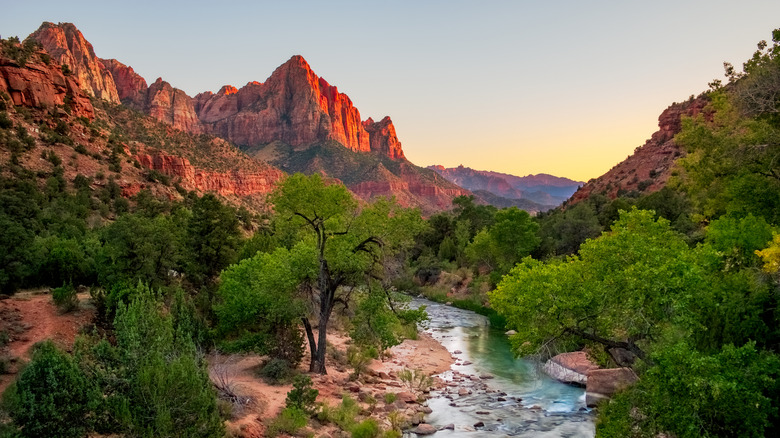
Zion National Park, one of America's most popular destinations, draws about 5 million visitors a year, with a heavy summer flow of over 500,000 visitors during peak season, June and July. This averages to about 15,000 visitors a day. With just three campgrounds and fewer than 300 sites available, the number of visitors far outreaches available camping. As such, many travelers previously turned to dispersed camping (free camping found on public land outside of developed campgrounds) for a flexible, free overnight option with no reservations needed. However, in an attempt to resolve the issue, the Bureau of Land Management (BLM) is implementing a new ban that will concentrate use and change visitation access, leaving many campers with fewer options.
On March 23, 2026, BLM announced its decision to implement the SR9 Campground Management Project, which will affect public lands in Washington County, Utah, along the State Route 9 corridor that leads to Zion National Park. The project hopes to address visitor demand by establishing two newly developed campgrounds, a limited number of designated dispersed campsites, new trailheads, and an event staging area. At the same time, it will ban traditionally free dispersed camping on almost 1,400 acres of public land — camping that was long available without reservations or fees on these government-managed lands — and restricting camping to designated areas in order to restore the land negatively impacted by dispersed camping.
If this plan is carried out, campers will instead be limited to about 30 designated dispersed sites (fewer than the 56 currently available), plus the two new campgrounds built under this project: Flagstone Quarry with 150 campsites, and Gooseberry Mesa with 80 hopeful campsites. The affected public lands that will close include the Hurricane Cliffs Recreation Area, Gooseberry Mesa National Recreation Trail, Canaan Mountain Wilderness, and Smithsonian Butte National Back Country Byway.
The controversy and overall impact on land users
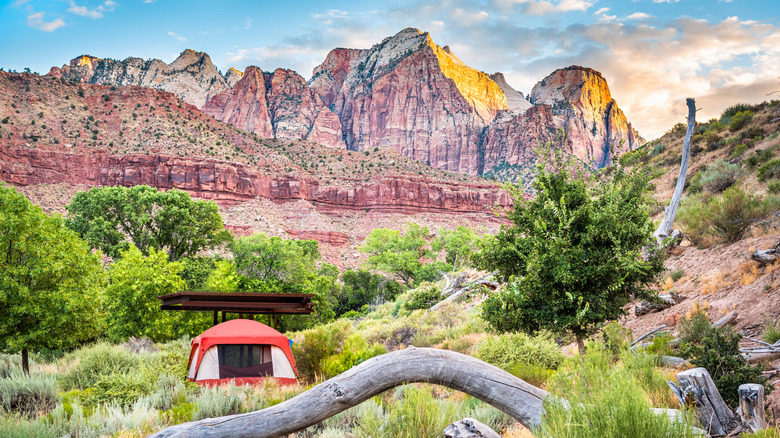
The plan has sparked controversy and strong opposition from recreation advocates, most notably the BlueRibbon Coalition, a grassroots nonprofit group that focuses on preserving recreation on American public lands. This group contends that every lost dispersed campsite represents a permanent reduction in access, while the new developed campgrounds remain uncertain because they depend on future funding that is not yet secured and could take years to complete, if it is completed at all. The coalition also argues that free dispersed camping has long served as an affordable, traditional way for families and others to access public lands without reservations or nightly fees, which are steeper now than they have ever been. It allows campers to choose their own sites on land they own as taxpayers, rather than being confined to numbered pads.
The Interior Board of Land Appeals held periods during which members of the public could file appeals through its website. Opponents in those comments also warned that the restrictions could worsen overcrowding at the remaining designated sites and inside Zion National Park itself, where reservations are frequently required months ahead and fees can be between $35 and $130 a night. For visitors planning a trip, like a road trip around Utah's Mighty 5, the changes mean fewer low-cost, flexible options near the park. Those who once relied on open BLM land may need to book developed sites earlier, consider paid alternatives like this budget-friendly RV park near Zion, or change their travel plans altogether. With endless reasons to visit Zion, whether this new change goes through will be useful to know for future trip planning.
The Bureau of Land Management's Rationale
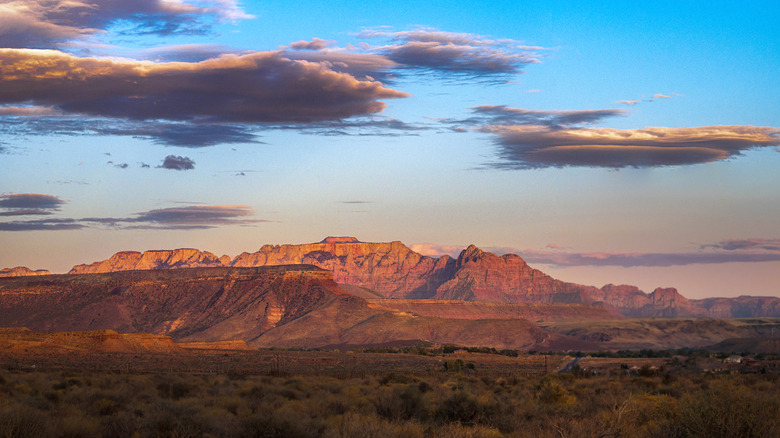
The BLM agency points to growing visitation and the resulting strain on natural resources as the primary concern for the change. Dispersed camping across the SR9 corridor has increased alongside tourism to Zion and nearby recreation areas. BLM monitoring and satellite imagery have documented widespread soil compaction, vegetation loss, user-created fire rings, trash accumulation, and improper human waste disposal, especially near vulnerable water sources. Officials say these conditions have increased as more people seek places to camp outside the park's limited developed sites.
By restricting camping to designated campgrounds and dispersed camping areas and focusing on new development of campsites on already disturbed areas, such as the Flagstone Quarry area, the plan seeks to restore damaged areas and prevent further land deterioration. The approach aims to concentrate recreation in places that are more suited to handle it while still expanding overall availability to users. The new campgrounds are expected to provide basic amenities, including vault toilets, dumpsters, fencing, tent pads, picnic tables, and shade structures. Construction, however, will proceed only as funding becomes available in the future.
In BLM's announcement, St. George Field Office Manager Jason West described the balance the project attempts to strike. "We're seeing more people than ever drawn to the stunning landscapes along the SR-9 corridor," he said. "Projects like this strike the right balance, giving visitors quality places to camp and explore while protecting the land that makes this area so special in the first place." The agency maintains that the changes will meet rising demands while safeguarding the fragile desert landscapes and ecosystems that draw visitors here in the first place.