

Rick Steves' Helpful Tips For Booking Last-Minute Hotels In Europe

Booking a last minute hotel room can be a great way to save a bit of money during your next vacation. Many travelers rely on last-minute bookings to keep their trips budget-friendly, but there's always the risk that demand will exceed availability and you may end up having to pay premium prices. Still, it's a risk many travelers are willing to take. Even Rick Steves, one of the world's top travel experts, recommends opting for last-minute accommodations in order to score a great deal – and he has some great tips on how to go about booking.
Booking as you go can allow room for spontaneity, according to Steves. "Thinking back on my vagabonding days reminds me of the fun of tossing the schedule and living in the moment. There's nothing more liberating than stepping onto a platform, realizing the train on track 6 is going to Hamburg and the train on track 7 is Copenhagen-bound...and you're free to go where the spirit moves you," he wrote. Steves has published dozens of bestselling guidebooks, hosted a travel-themed television show on PBS, and takes thousands of tourists on group trips to Europe each year. He has become the go-to source for many American travelers planning trips to Europe, and his website is a treasure trove of top-tier travel tips.
In an article entitled "Reserving Rooms as You Travel," he offered travelers some expert advice on how to book a hotel at the last minute. He suggests taking time to shop around, touring rooms in person, asking hotel managers for help, and using room-finding services when you need to. He also suggests that visitors mentally prepare themselves for the possibility that they may have to venture outside tourist hot spots to find accommodations during peak travel times.
Be cognizant of supply and demand
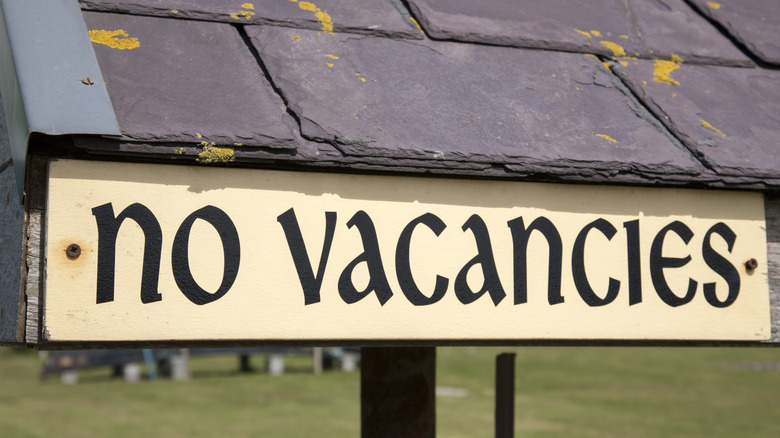
It's totally possible to score great deals on last-minute hotel rooms in Europe, but if you're traveling to a popular city during peak tourist season, your options may be limited. Similarly, if you are attending a popular event or a festival in a smaller town, you may want to consider booking in advance. The shoulder season is one of the best times to travel to Europe, according to Steves. Booking last-minute rooms "works best when there's relatively little demand for rooms (in low season or in less-crowded destinations)," he wrote.
"If you show up in a new town with no reservations, your approach to room-finding will be determined by whether it's a buyer's or seller's market. These trends can be obvious (a beach resort will be crowded in summer, empty in winter). Sometimes you can arrive late, be selective, and even talk down the price. Other times you'll happily accept anything with a pillow and a blanket," Steves wrote.
If you plan on staying somewhere for more than a few days, Steves suggests booking a room in advance for the first day or two. Once you're there you can shop around for more long-term options as you sightsee and explore.
Make sure you consider your options carefully
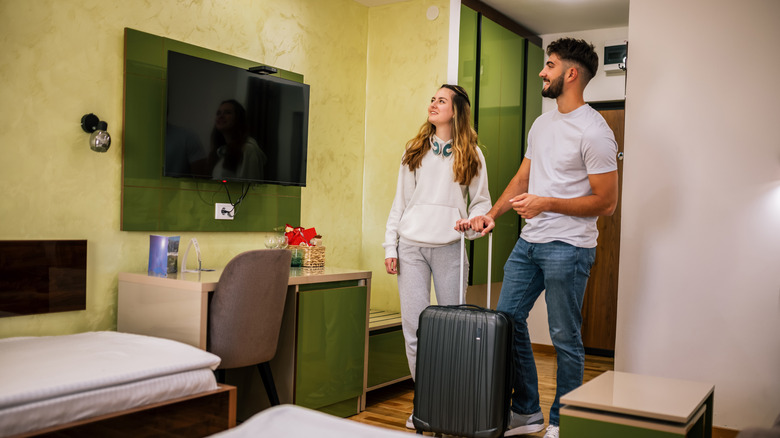
When booking last-minute rooms on a trip to Europe, Steves suggests that you plan ahead and book rooms in advance for at least the first few days after your scheduled arrival in Europe because "finding a room when jet-lagged can be stressful." If you're exhausted and dirty after a long red-eye flight, you may not have the patience to do your due diligence in selecting a great hotel.
Steves also recommends spending at least 20 minutes shopping around and considering different options. If you're a budget-conscious traveler, you will want to ensure that you are getting a fair price and not paying a premium because you're making a last-minute booking.
You'll also want to ensure that your hotel room meets your needs. If you're looking for something luxurious and romantic, you don't want to end up in a hostel full of backpackers and bunkbeds. "Never judge a hotel by its exterior or lobby: Lavish interiors with shabby exteriors are a cultural trait of Europe," Steves reminded travelers on his website. That being said, Steves recommends viewing a room before accepting it. "Think about heat, noise, and general comfort level. If you don't like what you see, ask about another room. Or point out any negative attributes — the price may come down. If the room's no good, just leave," he wrote.
Remain flexible

Rick Steves is no stranger to the crowds of tourists that flock to European destinations during the summer months. Some of his favorite destinations in Europe are also some of the most popular: he thinks Paris, London, Rome, and Istanbul are a four-way tie for the best of all in Europe. During peak tourist season or when there is a special event happening, the aforementioned cities can become packed which makes finding a last minute room more challenging. Rick Steves reminds travelers that remaining flexible is a good idea. Be prepared that you may have to travel outside of town in order to find a place to stay last minute. "If you simply cannot find a vacancy, head away from the trouble zone," he wrote.
A willingness to stay just outside of major cities can help ensure that you find a last minute hotel room in a pinch. "An hour by car, train, or bus from the most miserable hotel situation anywhere in Europe is a town — Dullsdorf or Nothingston — with the Dullsdorf Gasthaus or the Nothingston Inn just across the street from the station or right off the main square. It's not full — never has been, never will be. Drop in and ask for a bed," Steves suggested.
If you're planning on attending some of Europe's iconic festivals or events like Oktoberfest or the Cannes Film Festival, finding a last minute room nearby isn't likely. People make their reservations and plans months in advance. You can still attend if you're willing to stay in a nearby town or city, according to Steves. He warns that the rooms may be "dingy" or overpriced, but at least you'll have a place to rest your head.
Know where to ask for help

Searching for last-minute hotel rooms online and in person usually works just fine, but at some point you might find yourself at a loss. If you're in a pinch, Rick Steve has some helpful advice on where you can ask for help.
"Popular tourist cities usually have a room-finding service at the train station or tourist information office. For a small fee, they can probably get you a room in the price range and neighborhood of your choice," Steves wrote on his website. Although the room-finding services can be helpful, he only recommends using them as a last resort because they don't necessarily suggest options based on quality and value. "They'll recommend places that have paid for the service but fail to mention cheaper options," he added.
Before you try a room-finding service, Steves recommends that you try asking someone who works in the hotel industry for help. If you found a hotel that you like but it doesn't have any rooms available, ask the concierge or the person at the front desk if they can recommend any similar hotels. They might suggest a great new spot that just opened, or steer you in the direction of a neighborhood that you hadn't considered. "Nobody knows the hotel scene better than hotel managers do. If one place doesn't have a vacant room, ask for tips on where else to look. They're usually happy to phone a friend's place for you," Steves wrote. If you're looking for more information, check out Rick Steves' tips for saving when booking hotels for your European vacation.