

This Naturally Colorful Landscape In Oregon Is A Beloved Tourist Destination
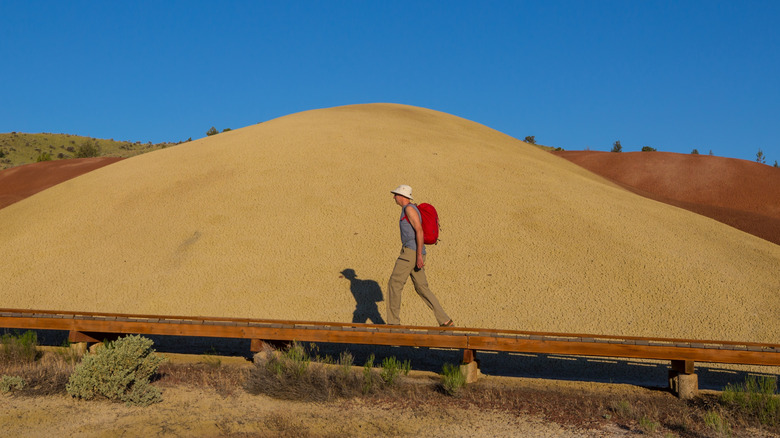
Oregon brings up images of dramatic Pacific coastlines where the waves crash against the rugged coastline and vast expanses of forested woodlands stretch up to snow-capped volcanoes. The state's reputation for iconic PNW energy and imagery precedes it. But Oregon is home to surprising contrasts, with high-desert regions (like this unique "badlands" wilderness area near Bend) that challenge the stereotypical images of lush greenery. Within this hidden treasure chest of dramatic scenery is the Painted Hills, a mesmerizing geological wonder that draws many visitors.
This colorful natural phenomenon is characterized by hills of undulating colorful layers of earth-toned stripes that create a surreal feeling. Nature's mystery is expressed here in multicolored bands and is awe-inspiring to all those who visit. The Painted Hills are in the heart of central Oregon and part of the John Day Fossil Beds National Monument, a protected area that spans about 14,000 acres. It's about a four-hour drive from Portland or a two-hour drive from Bend. Air travelers can fly into Portland International Airport or Redmond Municipal Airport (about 20 minutes north of Bend). The monument has well-maintained roads and parking lots suited for all rental car types.
The area is open year-round, and each season brings a different experience. However, spring and fall are most ideal, as the milder temperatures offer comfortable conditions for exploration. The park is most crowded on weekend evenings, so timing your visit right can affect your overall experience.
How the Painted Hills got their color
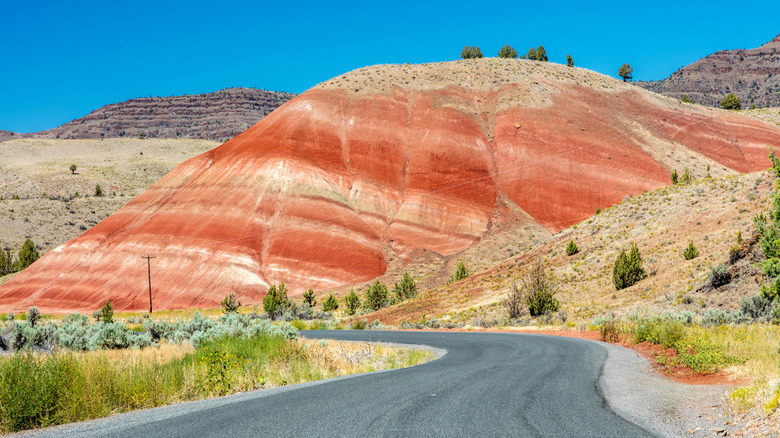
Within the John Day Fossil Beds National Monument, the Painted Hills represents one of three distinct units dedicated to preserving an extraordinary record of the Earth's geological history. This monument encompasses thousands of acres across non-contiguous sections to safeguard rich fossil deposits from the Cenozoic Era spanning about 44 million to 7 million years ago. These layers tell the evolution of plants and ecosystems during a time of dramatic shifts in the environment. The Painted Hills captivate visitors with their stratified bands of color, which can dramatically shift throughout the day with varying sunlight and weather conditions, giving a dynamic display that feels like it is alive.
Geologically, these hills originated about 35 million years ago during volcanic activity in the nearby Cascade range. Ash from distant eruptions blanketed an ancient floodplain, gradually compacting into soil layers influenced by fluctuating climates. Warmer and wetter periods oxidized the iron minerals in the soil, creating the vivid red tones, and the cooler, drier periods created the aluminum-rich yellow hues. The black streaks are formed from the decomposed organic matter from the vegetation of the era, and the grey streaks are from the silt and clay sediments. This visual display represents the cycles of time and change in the climate, revealing how global shifts create the land.
The combination of the beautiful aesthetic and the scientific intrigue is what brings the Painted Hills into the limelight. It is one of Oregon's Seven Wonders and quite similar to Peru's Rainbow Mountain, which should be on your hiking bucket list.
Exploring the Painted Hills and beyond
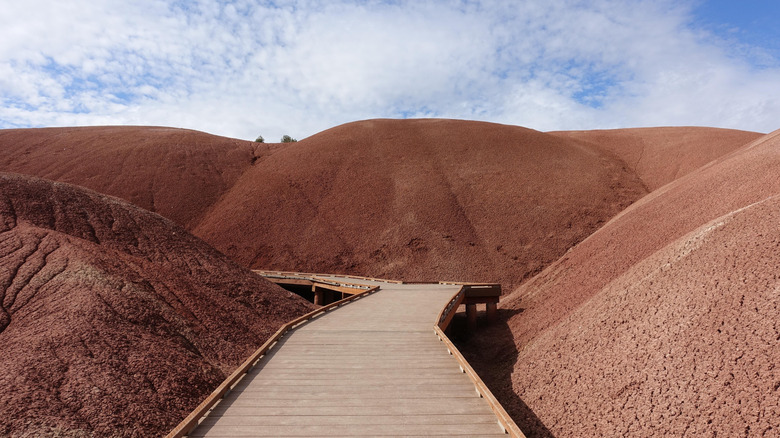
The Painted Hills offer a handful of gentle, scenic hiking trails and many opportunities for contemplation along the way. There are five trails in the area, all of which are under two miles and have very little elevation gain. The Overlook Trail is a half-mile path that brings visitors to a dramatic viewpoint revealing panoramic views of the multicolored hills. This is a beloved spot to catch the sunset and test out your photography skills. Bring a camera or binoculars for a closer look at the stratified soils. The Painted Cove Trail is a quarter-mile boardwalk loop that brings visitors up close and personal to the mounds, and it can feel like you're walking on Mars or another planet during this loop.
The Carroll Rim Trail is the longest trail, reaching 1.6 miles in total. This out-and-back route has 400 feet of elevation gain and benches for those wishing to quietly contemplate geological time. Visitors on Tripadvisor highly recommend this hike. The Red Scar Knoll/Hill Trail is another quarter-mile trail that leads to a striking knoll of intense yellow and red hues. Follow signs for the Red Hill. To protect this natural wonder, please remember to stay on designated trails and follow Leave No Trace principles.
To extend the journey and explore the other parts (known as units) of the John Day Fossil Beds area, the Sheep Rock Unit and Clarno Unit are nearby. The Sheep Rock Unit has a visitor center with paleontology and free WiFi for trip planning, useful in the absent cell service area. The Clarno Unit houses petrified wood and ancient fossil layers for more exploration. For more unique wonders, here are 50 of the most mesmerizing places on Earth.