

The CDC Urges Travelers To Be Extra Cautious Of This Unexpected Disease While Abroad
The U.S. Centers for Disease Control and Prevention (CDC) serves as the nation's premier public health institution and is dedicated to protecting Americans from health threats through global awareness and guidance. On March 3, 2026, the CDC released a Level 2 travel health notice addressing the risks associated with poliovirus exposure during international travel. This travel health notice was updated March 9, 2026, to reflect the ongoing monitoring of the viruses patterns. A Level 2 notice indicates that travelers should practice enhanced precautions to minimize the potential health risks in the affected areas.
The notice highlights the (re)emergence of poliovirus in various regions, prompting the CDC to advise all international travelers to verify their vaccination status before departing for their travels. Poliovirus has been identified in human cases or environmental samples over the past 13 months in about 30 different countries. These detections span multiple continents, with a concentration in African nations but also including locations in the Middle East and Europe. Notable countries mentioned include the United Kingdom, Germany, Israel, Poland, Papua New Guinea, and Laos.
The advisory comes from recent outbreaks and detections that signal a heightened risk of transmission, even in areas that were previously considered low-risk. While polio was once nearly eradicated globally, there have been gaps in immunization efforts which have allowed it to spread once again. A comprehensive list of the affected countries is available on the CDC's website.
Polio: transmission, location, health impacts
Poliomyelitis, also known as polio, is a contagious viral infection that is caused by the poliovirus, which primarily targets the nervous system. It poses the greatest risk to young children, particularly those under five. But it can also affect individuals of any age in unvaccinated populations.
Transmission occurs mainly through the oral-fecal route, when the infected fecal matter contaminates hands, objects, food, or water sources. This can occur in environments with poor hygiene practices such as insufficient handwashing after using the bathroom, or after handling diapers and babies. Contaminated drinking water or undercooked food items also serve as common spreaders. The virus is highly infectious and a single person can spread it to many others through close contact or shared resources.
Most infections are asymptomatic, meaning people can carry and spread the virus without knowing they are a carrier. A person might experience mild, flu-like symptoms including a fever, fatigue, headaches, sore throat, or muscle stiffness. In about 1 in 200 cases, the virus can cause irreversible paralysis, often in the legs or arms leading to lifelong disability. Other severe cases can cause impaired breathing, and long term complications can come about years later causing renewed muscle weakness known as post-polio syndrome.
Protective steps for travelers
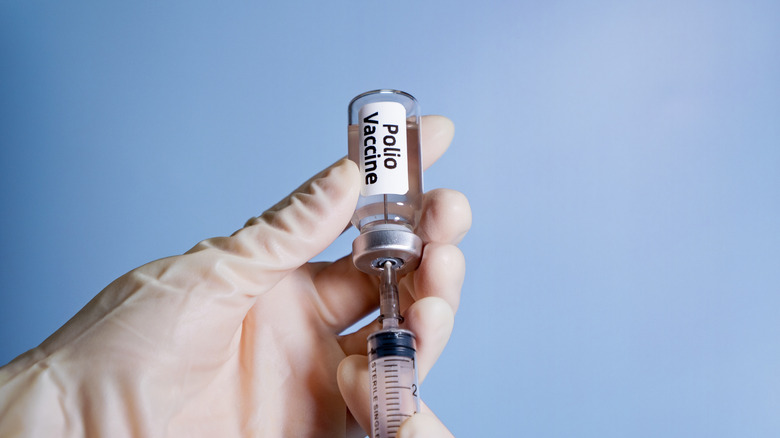
To mitigate the risk of being infected abroad, the CDC strongly recommends prioritizing vaccinations. Most U.S. born residents receive the inactivated poliovirus vaccine (IPV) series during childhood, consisting of four doses that provide long-term protection. Adults that are planning to travel to areas where the virus is circulating should check their vaccination history and get a one-time booster vaccine to reinforce their immunity. Unvaccinated individuals should complete the four part series prior to traveling, ideally 7-14 days in advance to allow for a full immune response to develop.
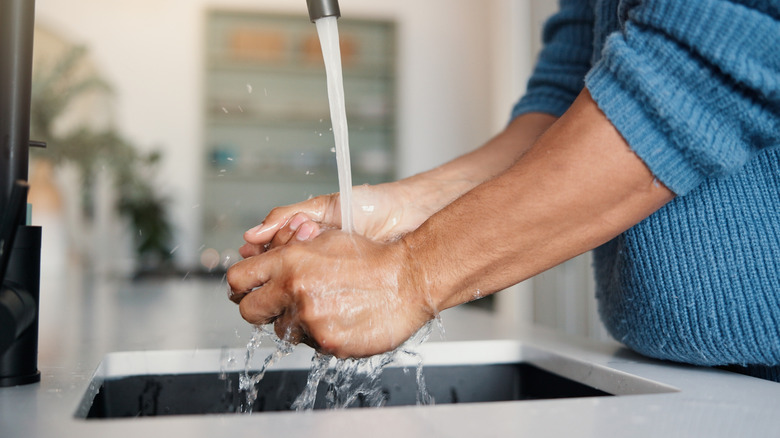
In addition to vaccination, travelers should maintain rigorous hygiene, washing their hands thoroughly with soap and hot water for at least 20 seconds, especially after bathroom use, before eating, and after contact with potentially contaminated surfaces. Consider traveling with a personal soap dispenser. Hand sanitizer is not believed to be highly effective at protecting against poliovirus, so proper handwashing is best.
Food and beverage safety plays a critical role in avoiding getting sick while traveling, and especially avoiding heinous food poisoning while on vacation. Travelers should choose hot, freshly cooked meals over raw or room temperature items that can harbor bacteria or viruses. You can also reduce your risk of getting sick by peeling fruits and vegetables yourself rather than buying pre-cut choices, and only drinking and brushing your teeth with sealed bottled water. If you must use tap water, boil it or use chemical treatments or filters that can reliably remove and protect against viruses. Make sure to avoid ice and ice cubes as they are typically made from tap water. And for more information regarding staying healthy on the road, make sure to read up on the other health hazards of vacations and travel.