
These Are The Best US National Parks For Fishing, According To Seasoned Anglers
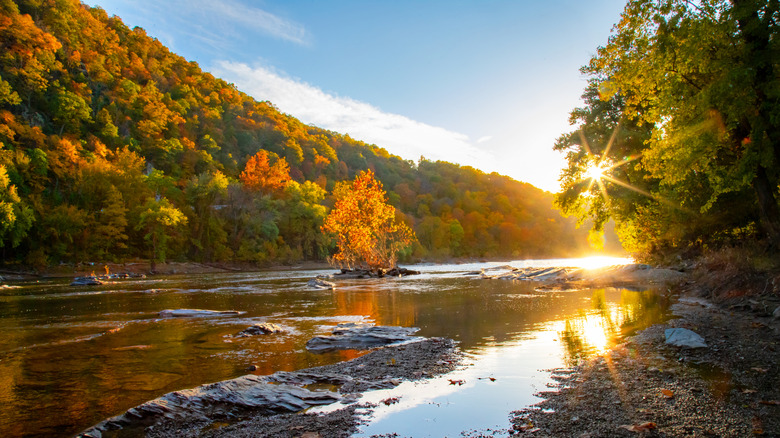
The U.S. national parks boast some of the most impressive and dramatic landscapes in the country. From the stunning geysers and kaleidoscopic hot springs of Yellowstone to the mighty granite cliffs of Yosemite, the U.S. National Park System (NPS) is bursting with natural beauty. These majestic wildernesses are also home to an enormous variety of lakes, rivers, streams, and watercourses. Not only are these a gorgeous addition to the scenery and a great opportunity for canoeing and kayaking adventures, but they also mean that national parks offer some of the best fishing in the country.
For fishing enthusiasts, the national parks are a godsend. The vast expanses of backcountry in Yellowstone, Voyageurs, and Katmai are filled with miles of waterways, which are home to an enormous variety of fish species. There are also several coastal and marine parks, like Dry Tortugas and Channel Islands, which offer wonderful sea fishing for a totally different experience. We looked at advice and guides from seasoned anglers on social media to put together a list of the best parks for fishing, as well as some hints and tips on how to get the most out of each spot.
Yellowstone
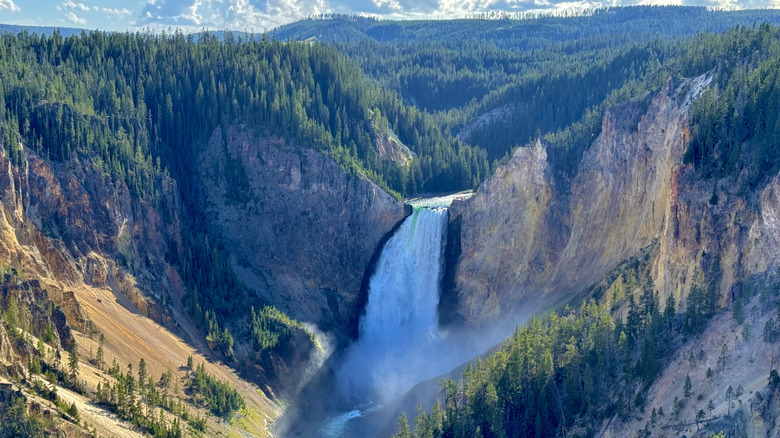
America's first national park is also one of its best spots for fly fishing. Home to over 2,000 miles of streams, rivers, and lakes, it is an incredible place to fish for anglers of any level of experience. The highlight here is trout fishing, with the park's clear, ice-cold waterways filled with brown, rainbow, brook, and lake trout, as well as species native to Yellowstone, including mountain whitefish, Arctic grayling, and Yellowstone cutthroat trout.
Redditor u/suoersambean on r/NationalPark says, "Yellowstone by far is my favorite. But I am a fly fisherman, and Yellowstone is a fly fisherman's heaven. So many streams, so many rivers (2500 miles), so many lakes (over 600) with so many different types of fish." The most popular fishing spots in the park are Lake Yellowstone, the Yellowstone River, the Madison River, and the Lamar River.
Fishing in Yellowstone is closely monitored and regulated by the National Park Service (NPS) in order to support the conservation and preservation of native fish species. In order to fish in the park, anglers must obtain a fishing permit, available to purchase online via Recreation.gov. The standard fishing season runs from the Saturday of Memorial Day weekend through the end of October each year, but it is worth checking the Yellowstone Park page on the NPS website for exceptions. Anglers can only use one rod and must use barbless hooks. Native species are catch-and-release only, while all non-native species, like lake and rainbow trout, must be killed and removed from most rivers and lakes in the park.
Dry Tortugas

For a completely different fishing experience, seasoned anglers recommend heading to the underwater national park of Dry Tortugas in the Florida Keys. This unique national park is around 70 miles west of Key West and is almost entirely underwater, making it perfect for sea fishing aficionados. The reefs and shallow waters around Fort Jefferson are packed with an incredible variety of marine life, with grouper and snapper in abundance from May to December and plenty of tuna in the winter months. Anglers who like a physical challenge will enjoy seeking out amberjack, wahoo, barracuda, and kingfish.
Many anglers choose to hire a charter and fish from a boat. Commenter Freightdog76 on The Hull Truth boating and fishing forum says, "You don't need secret spots, it's all pretty darn good. Look for good relief on your charts in 45-80 feet and go there. Put out your chum bag. You'll have yellowtails there in no time. Snapper and grouper show up too." If you prefer to stick to the shore, then fishing from the seaplane beach east of the main dock, the main dock itself, the two westernmost finger piers, and either dinghy beach is permitted, according to the National Parks Service website.
A valid Florida fishing license is required to fish in Dry Tortugas National Park, and standard Florida fishing regulations apply. Additionally, there are a number of restrictions specific to the national park itself, so it is worth exploring the NPS website in detail. Most importantly, spearfishing and lobster fishing are prohibited throughout the national park.
Voyageurs
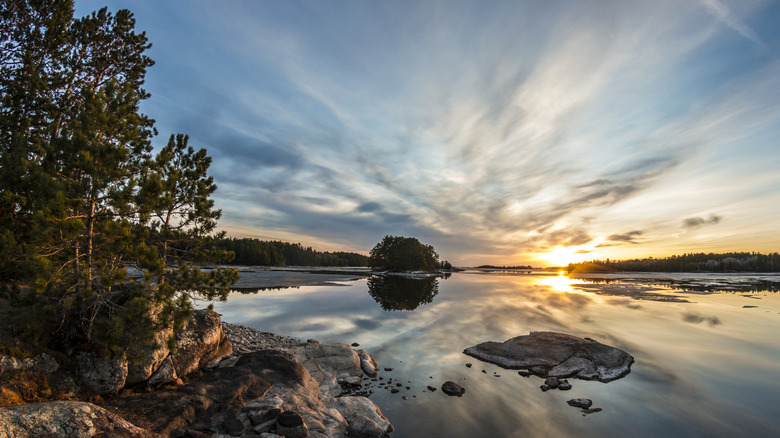
Right on the Canadian border in northern Minnesota, Voyageurs National Park is a fabulous floating mosaic of lakes, forests, and streams. Given that Voyageurs is surrounded by three vast expanses of water in the form of Rainy Lake, Kabetogama Lake, and Namakan Lake, and there are 30 named lakes across the park, it is hardly surprising that it is a great spot for fishing. On Reddit's r/NationalPark, u/McMarmot1 says, "It's all lakes and islands...you can rent a houseboat and cruise around channels and bays, and fish from the deck." Another Redditor, u/resynchronization on a related but different subreddit, r/nationalparks, agrees, writing, "Rent a houseboat at Voyageurs. It's like having your own private luxury hotel room under fantastic starry skies."
The three main lakes — Rainy, Namakan, and Kabetogama — are where most people start a fishing adventure, but locals also recommend Mukooda Lake and Sandpoint Lake, as well as Crane Lake, Loon Lake, and Lac La Croix, which are outside the boundaries of the park. With over 50 different species of freshwater fish calling the waterways in Voyageurs home, anglers are spoiled for choice, but the highlights are abundant walleye, smallmouth bass, and lake trout, as well as pike, perch, crappie, and musky.
Anglers in Voyageurs National Park need to have a State of Minnesota fishing license and must abide by the rules and regulations of the state. There are certain additional regulations governing fishing close to campsites and ice fishing during the colder months, so it is worth checking the National Parks Service website for more details.
Katmai
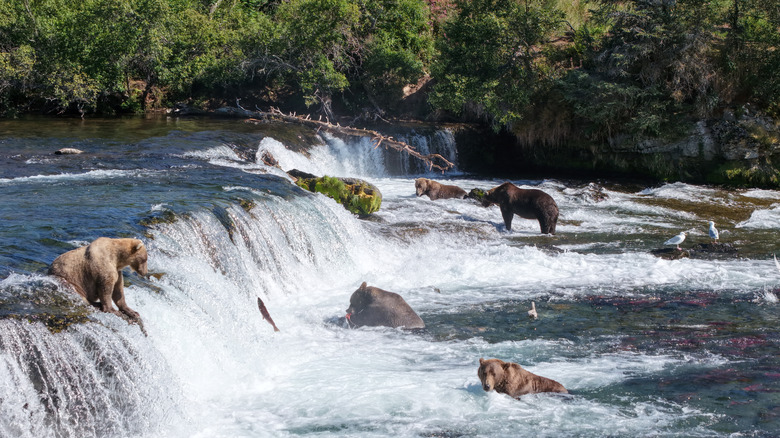
Katmai National Park is an underrated gem filled with wildlife. It was originally designated to protect the astonishing volcanic landscape of the Valley of Ten Thousand Smokes, the forty-square-mile ash flow created by the Novarupta Volcano. Located on a peninsula in southern Alaska, overlooking Kodiak Island, it is renowned for its dramatic volcanic scenery, its abundant brown bear population, and its magnificent waterways, particularly the Brooks River, which is home to the largest sockeye salmon run in the world.
With hundreds of miles of coastline, millions of acres filled with wild rivers and streams, and the glittering expanse of Naknek Lake, there are so many great opportunities for anglers to enjoy. The Brooks River is probably the best-known spot, a world-class salmon river with excellent rainbow trout and arctic char as well, but Brooks and Naknek lakes are also worth exploring, filled with lake trout and pike. Fishing in Katmai is a unique experience, as it is one of the only places in the world where you will be sharing your experience with angling bears. This does mean that care needs to be taken, as bears are known to investigate fish already on a line, and anglers should be prepared to cut lines immediately if a bear takes an interest.
The best time to head to Katmai is from July, when the sockeye salmon run is at its highest, to September, when the trophy trout are at their most impressive. Troy Letherman, editor of Fish Alaska Magazine, says, "The period between the June trout opener and the onset of the sockeye spawn is always a stirring occasion for the Katmai trout angler. But then, in this part of southwest Alaska, there is no such thing as an inopportune time to be on the water."
The Channel Islands
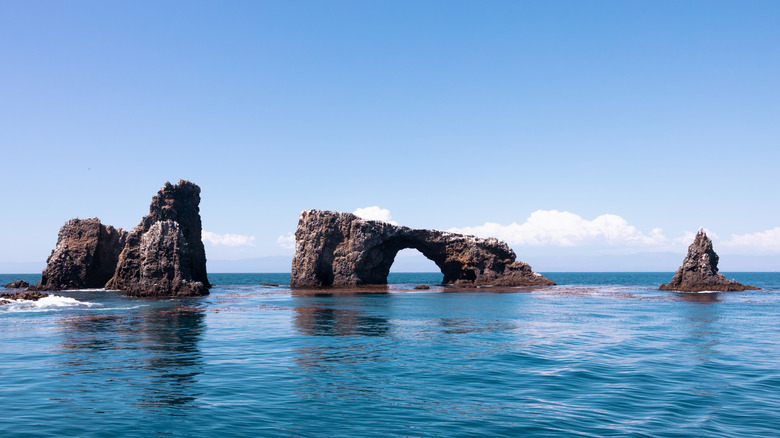
The southern California coastline is best known for its brilliant surfing and sophisticated Malibu beach communities, but there's a world of excellent fishing to be found floating off the coast of Santa Barbara. The Channel Islands National Park comprises five of the eight Channel Islands that sit just a few miles from the gilded glamor of Los Angeles and are known as the North American Galapagos thanks to the abundance of wildlife found there. While about 20% of the park is a protected marine area, fishing is permitted in the rest of the park's waters.
Much of the fishing in the Channel Islands is sports and trophy fishing, with charter boats plying the water in search of halibut, white seabass, sheephead, barracuda, yellowtail, rockfish, lingcod, and salmon. But you can also shore fish from the islands, on remote beaches with nothing but surf for miles. YouTube creators California Surf Fishing describe the beach fishing from Santa Catalina Island as "an awesome trip, with calico bass and rockfish, big ones." Spear fishing and scuba fishing are also permitted, with lobster, sea urchins, and scallops on the menu.
Methodology

In putting together this list, we looked for specific recommendations for fishing spots in national parks on social media, review websites, and forums. We cross-referenced this research with expert advice and authoritative guides, as well as exploring the National Parks Service website for detailed information on where fishing is permitted, what sort of equipment is required or allowed, and what permits (if any) are needed for anglers to fish within the confines of the chosen national parks.