

This Under-The-Radar US Beach Is The Perfect Place To Spot Wildlife
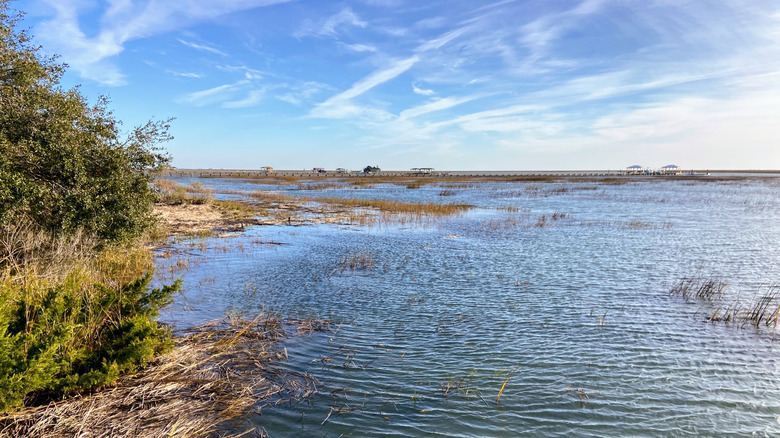
There's something quietly thrilling about stepping off a boat and realizing there are no cars, no cafes, and no crowds — just wind, water, and wilderness. That's the welcome you get on Bulls Island, a 5,000-acre barrier island tucked inside South Carolina's Cape Romain National Wildlife Refuge. Reaching it means taking a 30-minute ferry from Awendaw's Garris Landing. Operated by Coastal Expeditions, the ferry glides through tidal creeks alive with bottlenose dolphins, shorebirds, and oyster beds. This journey is part of the magic — like slipping through a crack into somewhere untouched by time.
Once you dock, the soft quiet settles around you as the smell of salt and pine wafts in the air, while sandy trails wind through maritime forests, tidal marshes, and brackish water ponds that seem to mirror the sky. Birders should keep a close watch, waiting for roseate spoonbills or wood storks to wade through the reeds. In total, over 275 species of birds pass through or nest here — making it a must-visit for nature lovers and bird enthusiasts alike, easily rivaling some of the best birdwatching destinations in America. Early morning, when light is soft and the tide low, is the prime time to spot flocks shimmering like gems against the marsh.
Wild encounters in Bulls Island
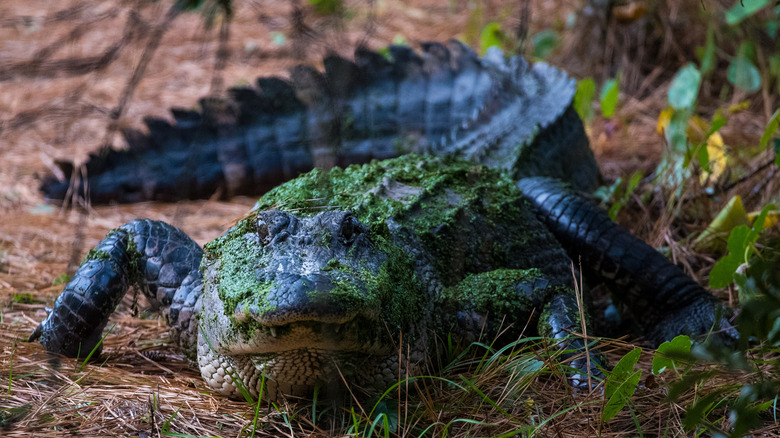
Venturing off the beach road, visitors to Bulls Island can explore the freshwater wetlands where alligators bask like prehistoric sculptures. This area, nicknamed "Alligator Alley," is a prime spot for cautious wildlife observers. Exhilarating and humbling, it's a stark reminder of who really belongs here. Coastal Expeditions also offers guided tours of the area, and their team emphasizes safe observation — don't linger too long, stay aware, and always give wildlife room to be wild.
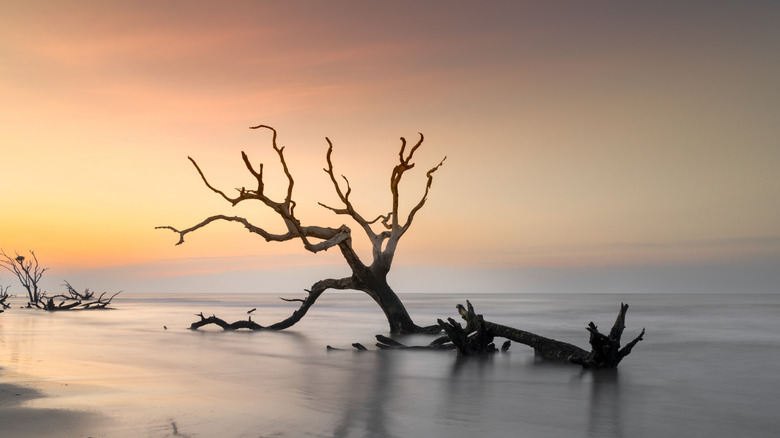
Not far behind Alligator Alley lies the haunting expanse of Boneyard Beach, a skeletal forest of sun-bleached oaks, cedars, and pines, toppled by erosion and tides over the years. This otherwordly landscape and eerie stillness make it a favorite among photographers and nature-lovers seeking cinematic shots of nature reclaiming its space. Meanwhile, loggerhead sea turtle tracks on the sand, left by nesting females, offer silent testament to the island's role in sea‑turtle conservation. You can also spot these turtles further south in Coligny Beach Park, known as one of South Carolina's best beaches.
Inland, maritime forests are home not only to birds, but also to white‑tailed deer, raccoons, bobcats, and even historical populations of red wolves — reintroduced in the late 1980s as part of conservation efforts. If you're feeling adventurous, you can even go on a guided kayak tour along Cape Romain to get an intimate perspective on how forest, marsh, and beach interconnect in this barrier‑island wilderness.
A wild sanctuary untouched by time
Unlike South Carolina's more developed barrier islands — known for their luxury stays and coastal recreation — Bulls Island remains almost entirely undeveloped and with strictly limited visitor access. That means no boardwalks or ice cream shacks — just an honest connection with nature. And in a world that's louder than ever, that silence feels sacred and increasingly rare.
The island is also a refuge in the truest sense. Under the care of the Cape Romain National Wildlife Refuge since 1932, the area provides a safe habitat for countless coastal and migratory species. Its salt marshes are also teeming with life — shrimp, oysters, crabs — all vital to the broader ecosystem and the humans who depend on it for sustenance and balance.
For wildlife‑spotting enthusiasts, Bulls Island stands apart. With well‑marked trails, naturalist‑led excursions, kayak access, and scenic ferries, it blends adventure with stewardship. So bring your binoculars, yes. But more than that — bring your curiosity.