

What Should National Park Visitors Do When They See Wildlife In Danger?
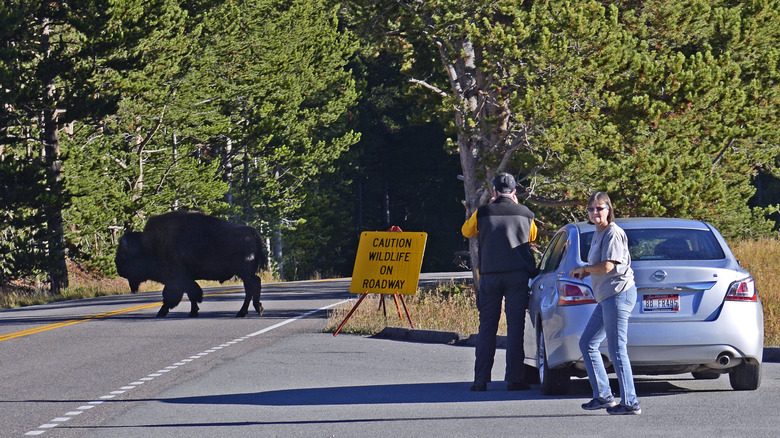
If you're a wildlife enthusiast who frequently visits national parks, there's a chance you may come across an animal in peril during your travels. You may want to try and help, but it's important that you protect yourself. Designated national parks provide a wonderful habitat for diverse species of plants and animals, which makes them popular destinations for animal lovers from all over the world. Most of the time wildlife is able to be viewed from a distance, but occasionally national park visitors may come across creatures in dangerous situations.
Animals may have been attacked by predators, or been injured due to their environment. An animal that appears to be in distress could also be sick. It's very difficult to tell what exactly might be ailing an animal in danger, so it's important that national park visitors maintain a safe distance. You should never approach an animal that appears to be in danger or distress, even if you want to help. Instead, you should notify the appropriate authorities.
There's something awe-inspiring about watching some of earth's most majestic creatures at home in their natural habitat. For nature-loving travelers, witnessing a rare species is a once-in-lifetime experience that they'll cherish throughout their lives. It's understandable that you might feel the urge to step in to keep animals safe, but you could put yourself and other travelers in danger by doing so.
Your personal safety should be your top priority when you encounter dangerous wildlife
In 2025, multiple travelers visiting Yellowstone National Park witnessed a frightening sight. While enjoying views of the colorful Grand Prismatic Spring, the largest hot spring in the park, a group of tourists noticed a bison wading into the spring. One witness posted an account of the event on a Yellowstone photography Facebook page along with photos. "Unfortunately, I witnessed the bison drowning in the Grand Prismatic Springs early yesterday morning," Louise Howard wrote. "It took a few steps into a shallow area to the right of the pool, it turned around and stepped out very quickly. It stood for a moment, then turned back towards the spring and stepped into a deeper section then couldn't get out despite trying its best." Seeing a majestic creature meet such a tragic fate would be difficult for any wildlife lover, but interfering could've put human lives in danger.
It can be extremely distressing to see an animal in a precarious situation. Your natural instinct will likely be to try to rescue the creature, as you would if you encountered a domesticated animal in need of assistance. Wild animals can be unpredictable and dangerous, particularly when sick or injured, so it's crucial you don't approach them.
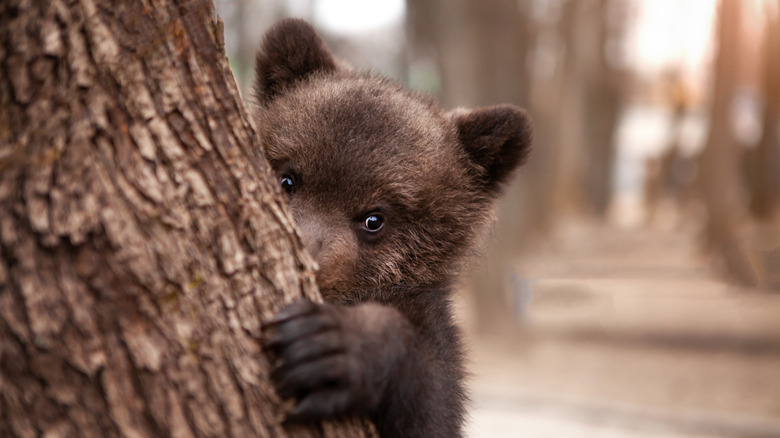
Always maintain a safe distance. If you're curious about how close is too close, the National Park Service website offers crucial wildlife tips: "Many parks require you to stay a minimum distance of 25 yards from most wildlife, and 100 yards from predators like bears and wolves." It's also important to leave baby animals alone, even if they seem abandoned. It isn't uncommon for a mother to leave her babies unattended. No matter how small, harmless, or adorable an animal appears, approaching them is risky.
The proper steps to take if you see wildlife in danger at a national park
The first thing you should do if you see an animal that's sick or injured is to ensure your own safety by putting distance between you and that animal. Some diseases that may cause an animal to act strangely are extremely high-risk for humans. An animal infected with rabies may not be afraid to approach you, and may be more likely to behave aggressively. Rabies is deadly for animals and people, and if not treated quickly it's almost certain to cause death, so you should always avoid dangerous encounters with rabid wildlife.
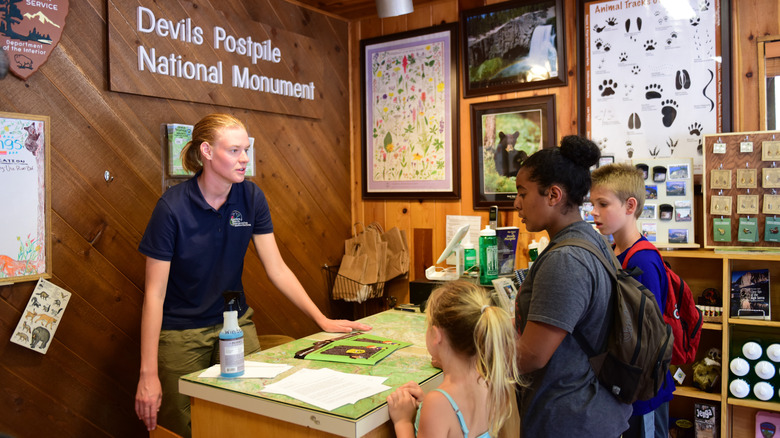
The National Park Service website suggests that you "tell a ranger if you see wildlife that are sick, dead, or acting strangely, including wildlife that approach you. And when you see people who aren't following these guidelines, let them know what they can do to be a smart wildlife watcher, too, and contact a ranger if necessary."
If you don't see a park ranger nearby, head to the nearest national park visitor center or a ranger station. Take note of exactly where you saw the animal, or drop a pin on your phone of the location. Take photos of the situation if it's safe to do so. Accurately describe what you saw. National park employees will have a protocol for handling various situations, but they may not be willing to step in and rescue or rehabilitate an animal. According to the Yellowstone National Park website, some animals will die, which is "a necessary part of sustaining our populations of predators, scavengers, decomposers and, eventually, herbivores once the nutrient cycle comes full circle." In other words, sometimes the best thing you can do is let nature take its course.