

Colombia's 'Capital Of Horror' Is A Scenic Port City That Could Be Dangerous For Tourists
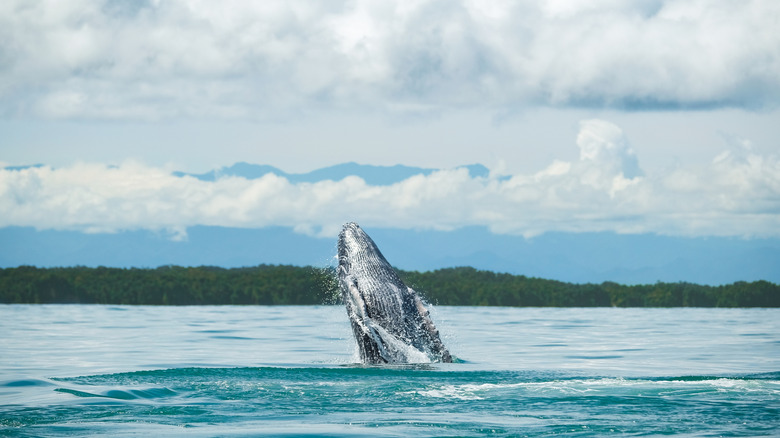
On Colombia's Pacific coast lies Buenaventura, the nation's busiest port, and a city often cast in a grim light as one of the most dangerous destinations in South America. Situated roughly 350 miles west of the capital city of Bogotá and about 75 miles southwest of Cali, Buenaventura is accessible by air or land. The city has its own small airport, Gerardo Tobar López Airport (BUN), which offers limited domestic connections, primarily from Bogotá via Satena. For most international travelers, though, the more practical entry point is Alfonso Bonilla Aragón International Airport (CLO), near Cali. From there, it's about a four-hour bus journey along the Pacific highway — a scenic, but sometimes slow, route that cuts through the lush Western Andes foothills.
Despite its practical role as a trade hub, tourism in Buenaventura is tempered by its reputation as Colombia's "capital of horror," a one-time moniker that stems from gang violence and extrajudicial terror highlighted in a 2021 Guardian report. The U.S. Department of State currently advises Americans to "reconsider travel" to Colombia, labeling it one of the most dangerous countries for foreigners due to crime, kidnapping, and civil unrest. Still, for those mindful of safety — as in, anyone traveling during daylight, keeping a low profile, and heeding local guidance — Buenaventura can offer an intensely real and deeply human travel experience.
A lush frontier with a shadowed reputation
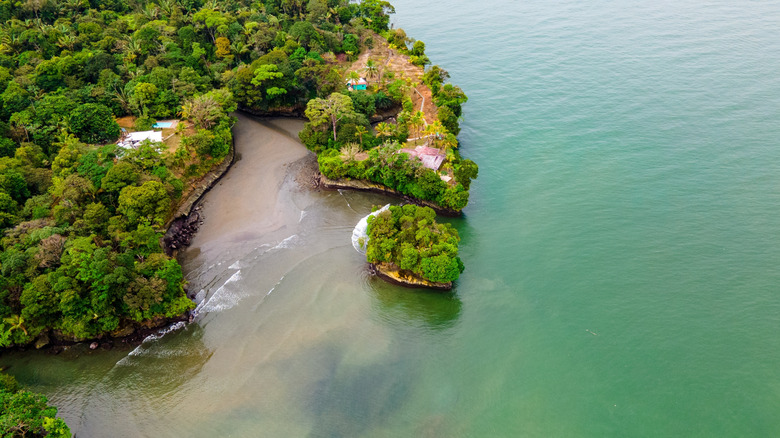
Just off the busy port city's coast lies an under-the-radar marvel: the Uramba Bahía Málaga National Natural Park. This biodiverse sanctuary is highly underrated, much like the popular Tayrona National Park, and shelters mangrove forests, rain-fed estuaries, and pristine beaches. From July to October, it becomes a haven for migrating humpback whales — a can't-miss spectacle for travelers as these giants breach near boats leaving Buenaventura.
A shore-side highlight is the Jardín Botánico La Manigua — a coastal botanical gem perched atop cliffs within the park that offers sweeping views of forest, sea, and wildlife. From Buenaventura, a short boat trip brings you to La Piangüita Beach, an idyllic, jungle-framed shoreline that blends tranquility with tropical vibrancy. Just beyond, the cascading La Sierpe Waterfall and the dramatic Cañón de la Angostura — referred to as the "Colombian Xcaret," a nod to Mexico's famous eco-park — boast forest trails, cool pools, and hidden river passages ideal for guided excursions. Most day trips from Cali are priced from about $150 per person, including transportation, meals, and guides.
Staying safe in Buenaventura
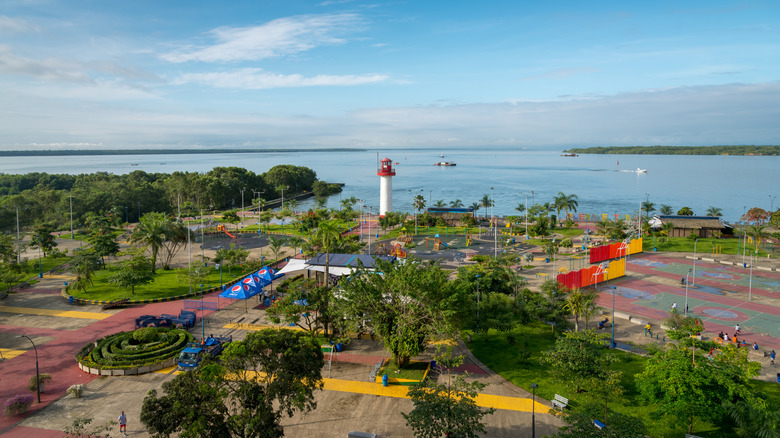
Rain is a fact of life in Buenaventura. In fact, it's among the world's wettest cities, with an astounding average of 258 rainy days per year. That makes the dry season — roughly December through March — the most sensible window to visit: trails, boat rides, and whale-watching are more enjoyable and logistically reliable. Meanwhile, accommodations span basic to mid-range. Local hostels start around $30 to $50 per night, mid-range hotels run $60 to $120, and upscale lodgings exceed $150. Food-wise, expect meals to cost between $5 to $10 at typical eateries, or up to $25 for a nicer sit-down meal. For anyone looking to stay long-term, monthly rentals run about $270 to $325 for a one-bedroom apartment in or around the city center.
If you do make the trip, prepare wisely: bring a rain jacket, sturdy shoes, insect repellent, and waterproof gear for electronics and personal items. Additionally, avoid flashing valuables and keep your things out of the reach of pickpockets — fanny packs aren't fashionable, but they will help you keep your things close. As an added precaution, always plan travel during daylight hours, try your best to travel in pairs or groups, and stay in contact with your embassy through STEP registration. Finally, and most importantly, follow your gut. If something feels unsafe or off, don't take the risk. Still, within these constraints, Buenaventura rewards the thoughtful traveler with something raw and unforgettable: its rhythms of ocean, rainforest, music, and resilience offer a lens on Colombia that few places can match.