

This Ethereal, Mountainous National Park Is An Underrated Nature Destination In Spain
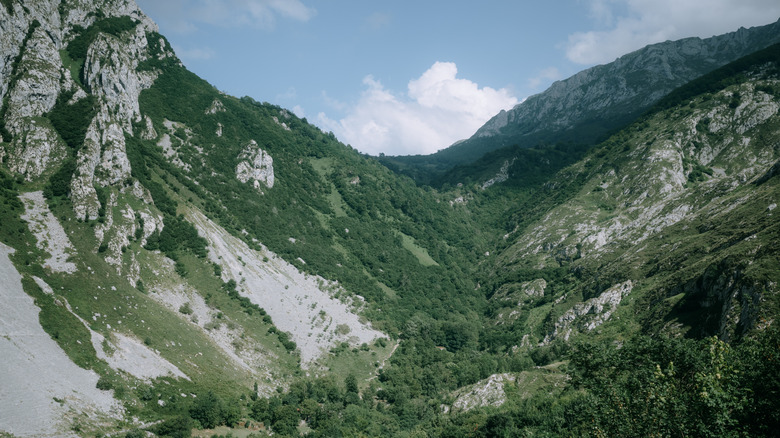
Spain has plenty of spectacular mountain landscapes. From the fairytale peaks of Ordesa and Monte Perdido National Park in the Pyrenees to the underrated cities hidden in the Sierra Nevada in Andalusia, Spain does dramatic scenery extremely well. However, one of the most beautiful, pristine, and singular national parks in the country is barely featured on most tourists' itineraries, despite being a stunning wilderness of mountainous summits and crystal-clear lakes.
From soaring, cloud-covered massifs and plunging valleys to mirror-still lakes and picture-perfect wildflower meadows, the Picos de Europa National Park is a truly special place. Named for being the first sight of land that sailors returning from the Americas would see during the Age of Discovery, the park remains a unique hidden gem and one of the jewels in Spain's outdoor adventuring crown. The Picos de Europa National Park is located in the north of Spain, where Cantabria, Asturias, and Castilla y Leon come together. Due to its unique position at the convergence of three different regions, it offers a fascinating perspective into the diverse nature and environments of all three.
Getting to the national park is something of an adventure in itself, and the best way to do so depends on where you are arriving from. The nearest international airport is in Santander (an underrated coastal city with endless things to do), roughly one and a half hours away from the park entrance at Bejes. Santander also has a ferry port, with routes from the U.K., France, and Ireland. The Asturias Airport in Oviedo is another option, about an hour and a half from the park entrance at Covadonga. Most transatlantic visitors will arrive in Madrid and take a bus to Arriondas or Unquera.
Towering peaks, glacial lakes, and a holy shrine in the Picos de Europa National Park
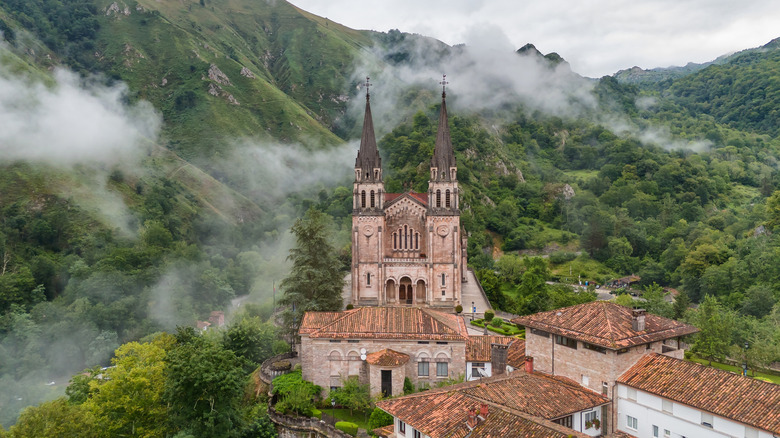
A huge part of the joy of the Picos de Europa is the extraordinary diversity that exists within the national park. From river gorges and lakes in the western massif to a stunning concentration of peaks of more than 8,000 feet tall in the central area and gentler landscapes in the eastern side, the park offers so much difference in a relatively small area. It is also just 10 miles from the Cantabrian Sea in some parts!
The most popular section of the park is the western massif, which contains the Covadonga Mountains and lakes. This was the heart of the reserve when it was formally created in 1918, most notably two glittering glacial lakes located at around 3,600 feet above sea level. It is also home to the Covadonga Sanctuary, which marks the spot where the Reconquista (the wars between Catholic Europe and the Islamic Al-Andalus Empire) began during the Battle of Covadonga around the eighth century.
More adventurous climbers and mountaineers might want to explore the central massif, home to the highest peaks in the park. The Naranjo de Bulnes is the MVP, a brooding, stark limestone peak that juts out of the surrounding mountains at a height of about 8,260 feet. It is a seriously challenging summit, often obscured by a thick blanket of fog, so it's best undertaken only by experienced climbers.
Wonderful wildlife and world-class hiking trails
Picos de Europa is a wonderful place for wildlife lovers to explore. Chamois scramble over rocky crevices, while deer and wild boar roam through the deep, forested ravines and canyons. Golden eagles soar overhead at midday, while several owl species hunt by night. It is also one of the few places in Spain where Iberian wolves and brown bears are slowly coming back from their severely endangered status, and a close encounter with one (or several) of these magnificent predators is something to be treasured.
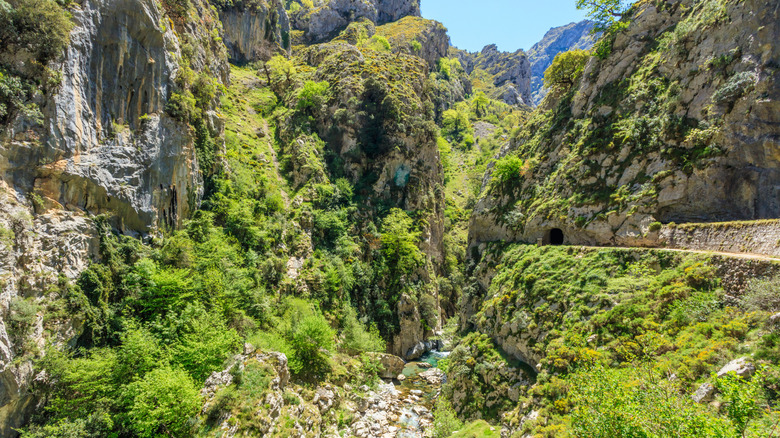
One of the best ways to get up close with the fauna of the national park is to head out on one of the stunning trails for a hike. Picos de Europa boasts some of the best day-hiking routes in Spain, if not the whole of Europe. The undoubted highlight is the magnificent Cares Trail, a 13.6-mile trek from Caín to Poncebos and back that shows off the best of the park as well as some of its most impressive panoramas.
The Picos de Europa isn't just about outdoor adventure. The national park is full of charming, historic villages, and thanks to its position stretching across three separate Spanish regions, it is a wonderful base to explore each region and get to know the unique characters and customs of all three. You can enjoy the wonderful mature cheeses and tart ciders of Asturias, the sumptuous seafood of Cantabria, or the magnificent cathedrals and palaces of Castilla y León.