

The 10 Cheapest City Breaks In Europe For A Serene Escape, According To Research

The city break is often thought of as something of a mini-vacation. True, it can form part of a larger break; Europe is extraordinarily well-connected, and two nights in Budapest followed by the same in Paris before heading on to a couple of nights in London is eminently doable. Still, cost is often a factor when considering heading to Europe for a quick sojourn, and here the city break is quick to throw mixed signals in your way. Upfront costs offer your wallet little or no relief, but the brevity of the stay means that the price is generally lower overall.
The break itself is defined as a two-night stay, and, thanks to the British Post Office's annual City Cost Barometer, figuring out the relative costs of any given excursion is relatively easy. And while some of the cities they surveyed can set you back as much as $850 for a more-or-less all-inclusive experience, parts of Europe offer far more value for money. Travel enthusiast stalwarts such as London, Paris, and the always-expensive Scandinavian trips are absent from such budget-friendly suggestions, but delights await, nonetheless.
The Balkan nations are less explored, filled with wonders, and accessible even on the most shoestring budget. Meanwhile, Spain's equally enthralling neighbor, Portugal, has long been the go-to place for those seeking sun, sea, and sand on the cheap. The Baltic offers great value for money, and those looking to soak in some history are well served by Poland. Here, then, are the cheapest city breaks you can find anywhere in Europe.
Zagreb, Croatia
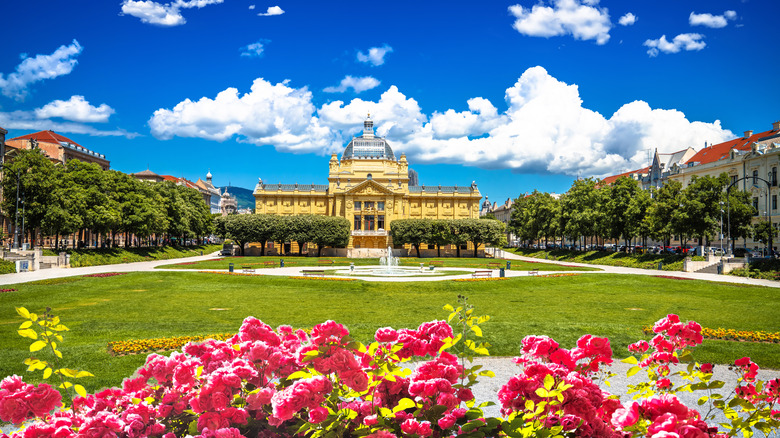
Zagreb is a pearl of a city nestled at the foot of the Medvenica mountain range, an area of outstanding natural beauty filled with forested slopes, tranquil lakes, and ancient fortresses. The city, home to over one million people, serves as both the administrative and cultural heart of Croatia. It is also one of the cheapest destinations in Europe.
Visitors to the country are often drawn to its captivating coast, which offers a less-crowded alternative to Italy. Still, its landlocked capital remains one of the region's most underrated destinations. An amalgamation of two former medieval towns, the modern city is alive with cultural heritage, boasts a surprisingly vibrant music scene, and has a busy festival calendar. St. Mark's Church is a 13th-century marvel, and the Museum of Broken Relationships is a genuine homage to broken hearts. Across the way from it, you'll find the Mirogoj Cemetery, which is one of the most stunning landmarks you'll find in any city across Europe. Meanwhile, the Dolac Market offers the perfect introduction to Croatia's criminally underrated commitment to fresh produce. Open seven days a week, it is a place to find fine cheeses, craft beers, and Adriatic seafood caught fresh that day. A stroll down Tkalčićeva Street takes you to the heart of the city's nightlife with café culture that blends Mediterranean chill with the vibrancy of Parisian chic.
The average cost of a break is around $415 dollars. An average meal will set you back around $14, while an imported beer can be purchased for less than $5. The Zagreb card offers discounts, unlimited public transport, and admission to most major attractions and costs $36 per person for a 24-hour pass or $43 for a 72-hour pass.
Porto, Portugal
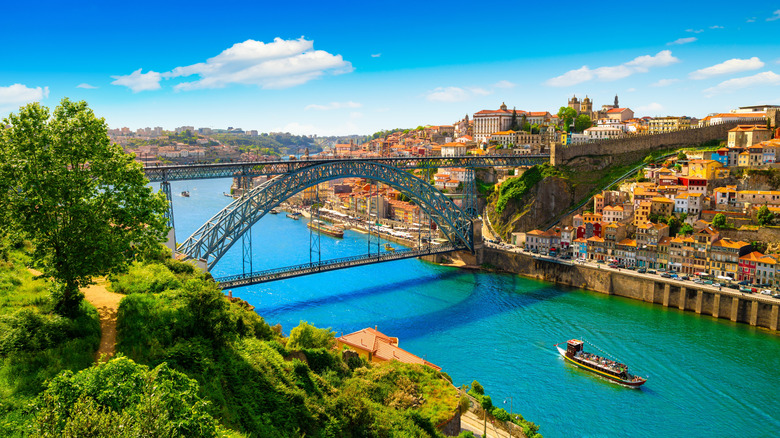
If Portugal is often overlooked in favor of its larger Iberian neighbor, then Porto finds itself sitting in the shadow of the nation's larger capital to the south. Smaller than Lisbon, this European gem, easily accessible via Delta Airlines, nevertheless has much to offer a would-be visitor. Cooler than Lisbon by some margin, it benefits from Portugal's reputation as one of the cheapest destinations in all of Western Europe. Indeed, a city break here can be found for just $410.
In terms of sights to see, tourists are spoiled for choice. The Ribeira District is a place of narrow streets and riverfront properties. It's also positively festooned with some of the best eateries in the city. The stunning São Bento Railway Station serves as a hub for many other attractions, including the central cathedral, a Romanesque masterpiece of 12th-century origin. Elsewhere, hidden cellars overflow with aged Port, an obvious specialty of the city, and a walk along the UNESCO world heritage riverside is a glorious experience, irrespective of the season.
Cost-wise, things are as upbeat as you'd expect. A Coke can be bought for a $2, a cinema ticket will set you back less than $10, and Nike running shoes will run you just under $100. The Porto Card grants discounts and free access to 130 attractions as well as unlimited use of public transport, but the latter is a personal call; the city is eminently walkable, especially during the summer months. Regardless, it is cheap: a one-day pass is only $17 per person while the four-day version can be bought for under $50.
Kraków, Poland
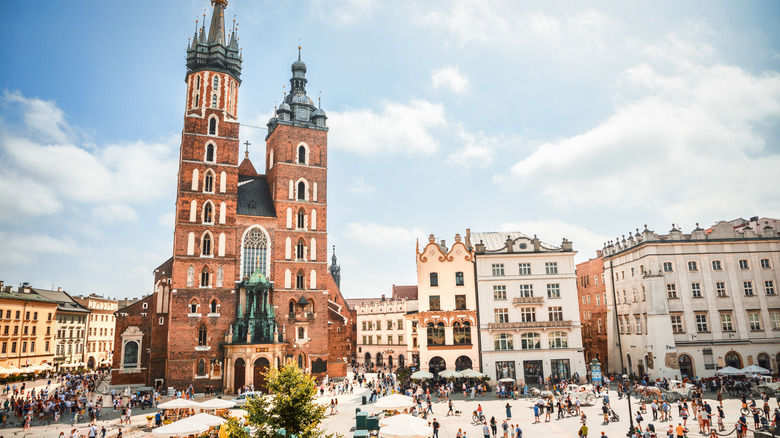
That a two-night stay in Poland's second-largest city can be had for as little as $400 is impressive enough by itself. Kraków was one of the very first places to be granted UNESCO World Heritage status in 1978, and over subsequent decades, it has proved itself worthy of such a high accolade. More than worthy, in fact.
To start with, the city maintains much of its old-world heritage. Its main square — the Rynek Główny — is the largest medieval square in all of Europe. Today, it plays host to a vibrant café scene, houses the stunning Renaissance-era Cloth Hall, and features St. Mary's Basilica, a Gothic masterpiece dating to the 14th century. The nearby Jewish quarter is a place of cobblestone roads, boutique shops, and half-hidden restaurants. The city itself is relatively compact, meaning savings can be found by avoiding public transport, and its many green spaces make it the perfect location to take chilly fall sweater vacations to the next level. Kraków's event calendar is chock-full of exciting things to do year-round: religious celebrations mix with dragon parades and music festivals, and come winter, Kraków hosts one of the best Christmas markets in all of Europe.
A big Mac in Poland costs $5.21, slightly less than you'd pay in the U.S., while a domestic beer is on tap for less than $5. The KrakowCard allows you entry to numerous attractions, as well as free use of public transport. You can purchase a three-day pass for just under $35 per person.
Gdańsk, Poland
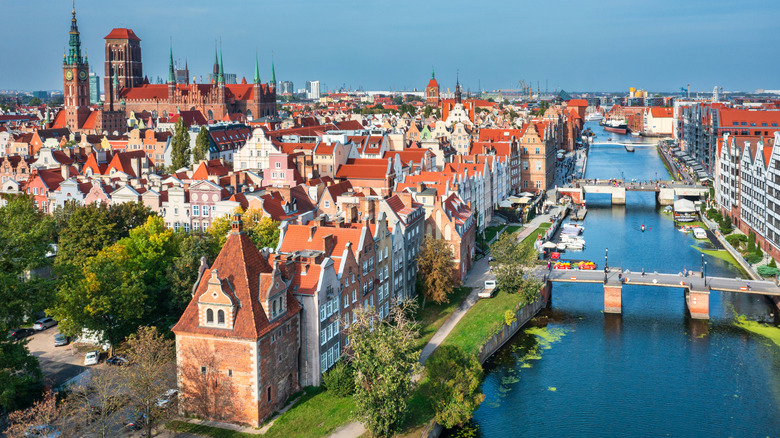
Gdańsk is often used as a jumping-off point for those wishing to explore the Masurian Lake District — one of the most beautiful fall destinations in Europe. Still, its location pressed hard against Poland's Baltic coast provides more than enough entertainment for those looking to explore the city proper.
The list of things to see is as familiar as it is impressive. The Długi Targ spent much of its existence as a central marketplace, but today it is a showcase for period architecture, fine dining establishments, and some truly fantastic cafés and bars. Its world-famous Neptune Fountain positively drips with local legends and is as Instagram-worthy a spot as you are ever likely to find. The city is also blessed with two excellent museums. The European Solidarity Centre takes you on a fascinating journey through the collapse of communism, while the Museum of the Second World War guides you through the steps that led to its imposition on Poland itself. The city, like much of the Baltic region, is home to some of the world's best treasure-hunting beaches. Amber frequently washes up on its shores, and the city is home to many skilled artisans who can work wonders with the material.
Cost-wise, Poland once again delivers. A trip here runs to about $400. The Gdańsk Tourist Card can be purchased in 24, 48, or 72-hour blocks and — somewhat unusually — comes in transport-included and attraction-only varieties. If you are willing to stretch your legs a little, the latter will only set you back $15 dollars per person for a one-day pass, with the three-day version costing less than $27 per head.
Lille, France
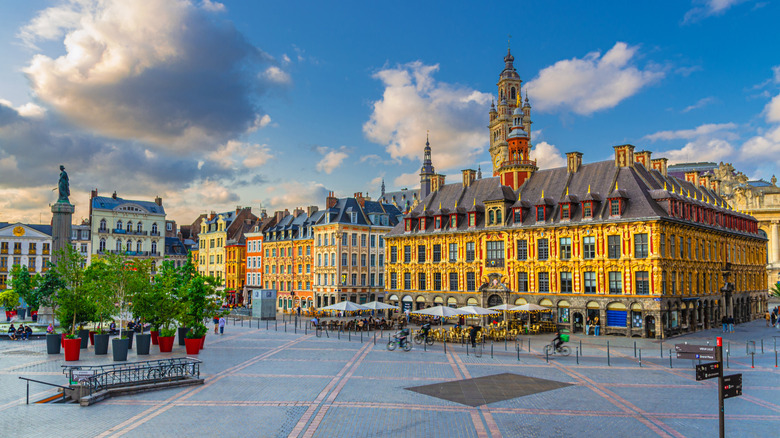
Europe's most visited country has plenty to choose from when it comes to overpriced city breaks. Fortunately, Lille is a welcome exception. Dripping with Flemish influence, it is a place of boutique cafes, cobbled lanes, and home to the Palais des Beaux‑Arts, a gallery second in size only to the Louvre itself.
For many, Lille is the place to go if you want to experience historic French markets that rival the Parisian experience. It's flea market – the Lille Braderie – consists of over 10,000 stalls, and taking in all it has to offer can occupy a city break experience all by itself. But you'll also find quaint cobblestone streets, magnificent 17th-century facades, and the star-shaped citadel that remains to this day one of Europe's most beautiful fortresses. At the Grande-Place, you can admire the Old Stock Exchange, a rare example of well-preserved Mannerist excellence, which is unbelievably pleasing to the eye. The food here is also of a superior quality; Lille's history as part of the Flanders region has colored the local palate in delightful ways.
A trip here can be had for just under $400, with McDonald's combo meals set at around $14 a head and a dozen eggs costing around $4 with change. A city pass also helps keep costs down, covering 20 must-see sights, with or without transport included. The 24-hour version of the former will set you back $33 per person, with the latter coming to a little under $28. With only a few dollars separating the two prices, getting a pass with transport included is definitely the way to go, and further savings can be found if you purchase the 24- or 72-hour card.
Lisbon, Portugal
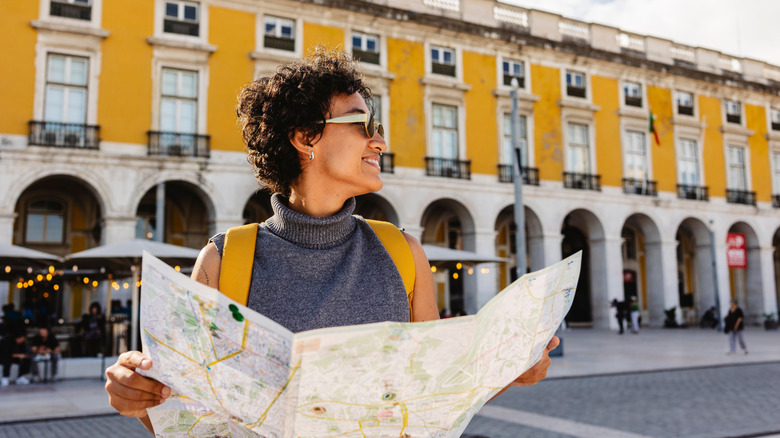
Poland is not the only country where built-in affordability extends beyond a single city break experience. Portugal's capital makes for an even cheaper weekend escape than Porto. Larger by far and busier, Lisbon is both accessible and full of truly amazing sites. And with an average cost of just $380 for a weekend break, it remains something of an irresistible option.
Taking everything over such a short span of time is a challenge, to be sure. Indeed, you'll find a visit to the World Heritage Jerónimos Monastery worth the trip all by itself. Its alabaster façade is a tribute to 15th-century ingenuity, and a tour of its cloisters and central courtyard is bucket-list-worthy. Belém Tower – an ancient coastal defense masterpiece and another UNESCO world heritage site — is another highlight, while the ever-lively Bairro Alto provides more entertainment than you could fit into a two-week stay. Throw in a selection of fine galleries and museums, picturesque riverside squares, and some of the best food Iberia has to offer, and Lisbon becomes something of an irresistible temptation.
There is a card, of course, with prices starting at just over $35, and, helpfully, the city is also known for having some of the best hostels in the world. Opting to stay in one can help bring costs down still further. Street food is also way cheaper than a restaurant, and you'll find vendors serving both pastel de nata and the must-try bifana sandwiches – a national treat consisting of crusty bread, hot pork, and mustard. It's more filling than it sounds and can be purchased for less than $3from stands scattered across the city.
Podgorica, Montenegro
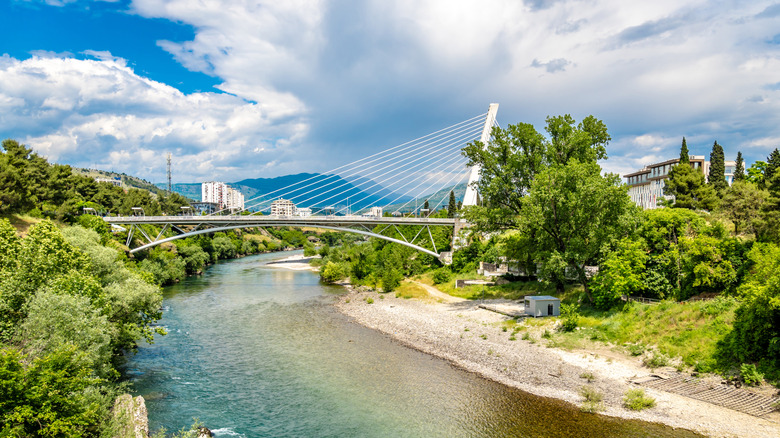
Montenegro is a much-overlooked gem nestled away in the heart of Southeast Europe. During summer months, those in the know often flock to Shkodër, a lakeside city that makes for a cheap, relaxing trip with breathtaking views. A little to its north, however, you'll find the capital city of Podgorica. The city has long been a center of wine production and comes replete with Ottoman-era bridges, riverside waterfalls, a world-famous clock tower, and at least half a dozen scattered monasteries.
The city's old town — Stara Varoš — is a lively place of narrow winding lanes, quaint mosques, and unquestionable beauty. Gorica Hill sits far above the city and offers an excellent hike for adventurous souls; those who do make the trek will be rewarded with panoramic views of the city, secluded picnicking spots, and trails that wind through gently forested wilderness. Tours of the local wineries are ever popular, and there is a whole slew of museums and art galleries to explore. The city also host to some UNESCO World Heritage ruins of Roman vintage, including a vast necropolis consisting of over 300 ancient tombs.
The cost of a visit here runs to $380. Unusually, there is no tourist card on offer in the capital, but savings can be found regardless. The city is walkable, though outside the summer months, it tends to be excessively rainy. The city's food scene is both nourishing and affordable: meals can be found for a little over $10, while a bottle of mid-range wine sits at less than $6. Meanwhile, day excursions to Shkodër come highly recommended: by bus, it takes around one and a half hours with a round-trip ticket costing less than $25 per person.
Warsaw, Poland
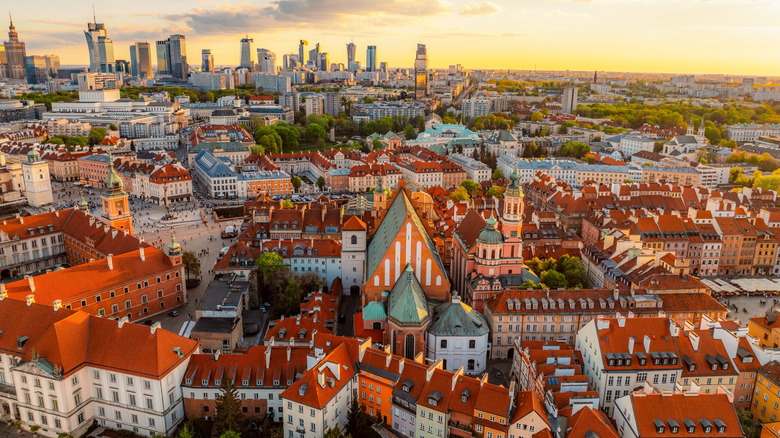
Poland's third entry to this list is somewhat surprisingly the capital itself. While perhaps not quite as breathtaking as Krakow, Warsaw nevertheless has much to offer. It is a city steeped in history and bears the scars of its troubled past to this very day. Still, Warsaw remains a charming and rugged place that celebrates its diamond-in-the-rough reputation.
There's certainly plenty to see. The central Łazienki Park & Palace makes for a perfect picnic spot; indeed, the sight of the 18th-century palace, situated on its own private island, is like a scene from a movie. The Warsaw Uprising Museum offers a fascinating and sobering look at one of the darkest days of World War II. It's a must-see attraction for those who want to get to the heart of what Warsaw is all about. Meanwhile, a walk along the Royal Route is an all-season delight, and a visit to the Praga district brings you face to face with one of the best zoos in the whole world.
As you'd expect from Poland, the whole package is a budget-friendly affair. The average cost of a city break in Warsaw is just $370. Opting to stay midweek, or traveling there during the shoulder season — which runs from November to March — can bring prices down still further. Indeed, while a late-season trip to Warsaw takes chilly fall sweater weather to a new level, the city is, if anything, even more beguiling as the leaves turn brown. Accommodation prices become even more reasonable, and indoor activities — such as a must-see film festival and endless Chopin recitals — make for a full itinerary.
Vilnius, Lithuania
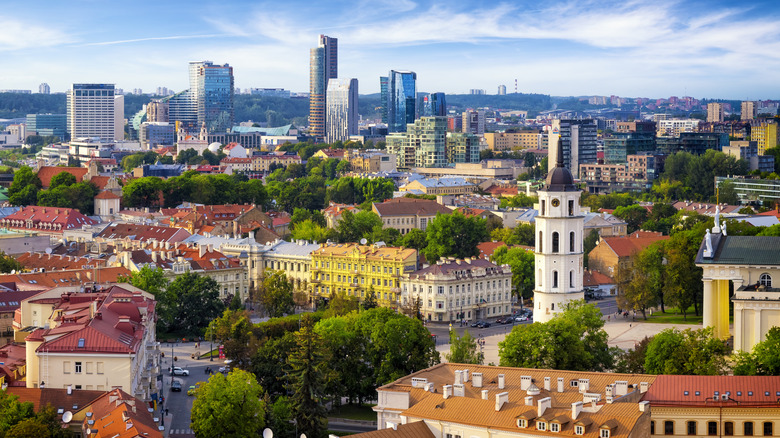
As an underrated European country known for its charming and historical city breaks, Lithuania delivers on multiple fronts. Nowhere is that truer than in its capital city, Vilnius. Indeed, anyone wishing to explore some of the Baltic region's many must-visit places would do well to make a pit stop here.
The city's historic center is a UNESCO World Heritage Site, and widely regarded as one of the most picturesque spots on the continent. It dates back to the 13th century, and you'll find a raft of architectural styles on display, ranging from genuine Gothic to buildings of Baroque and Neoclassical design. Walks along the nearby river have a genuine fairytale quality about them, and you'll often find the sky dotted with hot air balloons as they drift over the city. Hot air balloons are something of a local obsession, but rides don't come cheap; expect to pay upwards of $160 per person for even a shared experience with a larger group.
Still, pretty much everything else on offer is deliciously cheap. A McDonald's combo meal comes in at just a shade over $8, while a dozen eggs won't set you back much over $3. Meanwhile, the cost of the total trip averages out at just $342.
Riga, Latvia
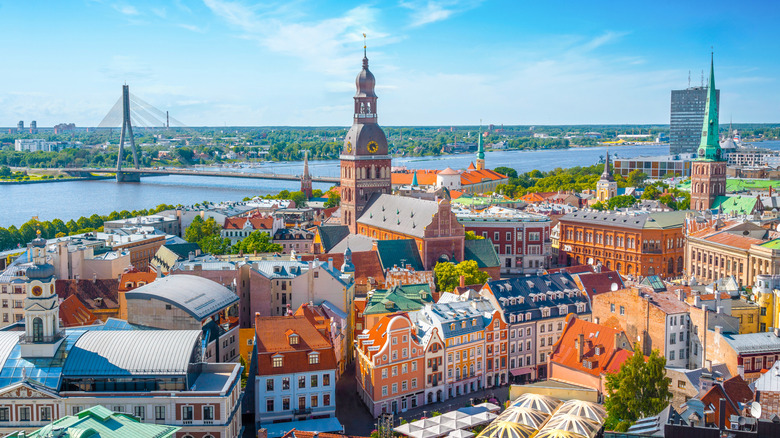
Riga not only possesses one of the best airports in all of Europe, but its reputation as one of the cheapest places to visit in Europe remains unmatched. A weekend stay in the high season costs a mere $340 for two people, and other metrics — such as the sub-$2 price of a domestic beer — are no less impressive. Meanwhile, the old standby for seeking out even lower-cost vacations by visiting during the winter pays extra dividends here. Even the all-access Riga Pass can sometimes be bought for half price once the nights begin to draw in.
Even without access to such discounts, there's a lot on offer for the prospective visitor. The House of the Blackheads — a literal homage to the city's mercantilist past — is as alluring a sight as you could hope to find. Riga Cathedral is a medieval masterpiece and charges a little over $5 per adult. And, of course, there are plenty of galleries and museums to while away the hours in, and as an added extra, a 14th-century castle to admire. Meanwhile, the central market is another highlight; housed in former zeppelin hangars, it's a foodie paradise and a great place to get some fantastic street food at pleasantly low prices.
How we compiled this list
While much of the advice in this article was based on personal travel experience, the British Post Office's 2025 City Cost Barometer was used as a baseline for total costs. Individual prices were checked via price aggregation sites such as Numbeo. Prices were accurate at the time of publication, and conversions to USD were based on the exchange rate at the time of publication. Any special offers mentioned or discounts on offer should be treated as subject to availability.