

This Stunning Tropical Island National Park Is More Dangerous Than Meets The Eye
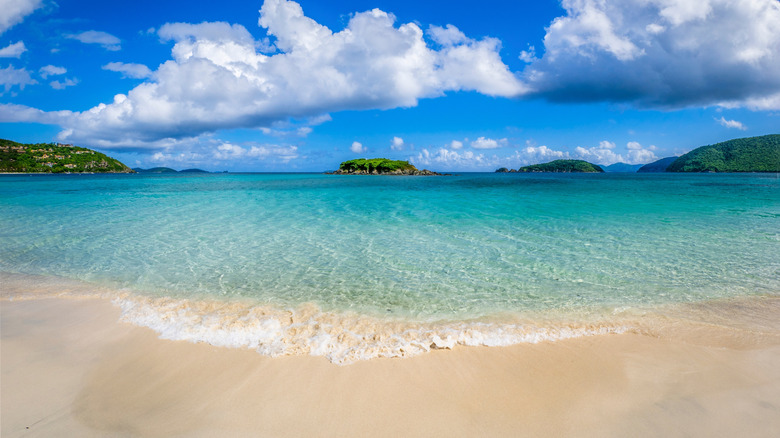
National parks are treasures of the natural world, showcasing landscapes that stir the soul and ignite a sense of wonder. From the towering granite cliffs of Yosemite to the sprawling, colorful expanse of the Grand Canyon, these protected areas draw hundreds of millions seeking adventure and connection to nature's beauty. People visit to hike winding trails, gaze at starlit skies, and escape from the wash-rinse-repeat cycle of the daily grind. Yet, nature's playgrounds can foster a false sense of security, lulling visitors into underestimating the raw power of these wild spaces. National parks are not amusement parks; they are untamed ecosystems where unpredictable wildlife, shifting weather patterns, and rugged terrain can turn a leisurely outing into a potentially perilous ordeal, often far from cell service or immediate aid.
Between 2014 and 2019, the National Park Service recorded over 2,000 deaths across U.S. national parks, with motor vehicle crashes, drownings, and falls as the leading causes respectively. While the overall mortality rate is low, sitting at about 0.11 deaths per 100,000 recreational visits, there are certain parks that stand out for their disproportionate danger. Among them is the Virgin Islands National Park on and around Saint John in the U.S. Virgin Islands, which ranks as one of the deadliest parks, with a staggering 6 deaths per million visitors. In a decade, this tropical paradise has seen 22 fatalities, leading many to question whether its idyllic shores hide a darker edge. It is one of the most hazardous national parks to explore, and perhaps one of the most dangerous islands in the world.
A paradise with perils: why it's so dangerous
Virgin Islands National Park blankets two-thirds of Saint John, a Caribbean gem where sugary white sands meet turquoise waters that shimmer under relentless sunshine. Lush tropical forests, dotted with vibrant orchids and swaying palms, frame hiking trails that lead to historic plantation ruins and ancient Taino Petroglyphs. The park's beaches, like Trunk Bay and Cinnamon Bay are world-renowned, often listed among the world's most beautiful. Nearly 40% of the park is underwater, encompassing thriving coral reefs, mangrove shorelines, and seagrass beds teeming with marine life. This aquatic wonderland lures visitors for snorkeling, scuba diving, kayaking, and sailing, drawing just over half a million visitors a year, with many arriving via cruise ships eager to plunge into the picture-perfect waters.
However, this aquatic paradise is precisely what makes the park so dangerous, and it could be one of the world's most dangerous places to swim. Drowning accounts for the majority of its fatalities, with nine deaths reported in recent years, particularly at Trunk Bay, home to the famous Underwater Snorkel Trail. Despite its beauty, the park's waters are unpredictable, with strong currents, rough surf, and high waves that can overwhelm even the most experienced swimmers. Unlike more visited parks like the Great Smoky Mountains, which sees about 12 million visitors annually, or Yosemite with 4.1 million, the Virgin Islands National Park's lower visitation amplifies its per-capita fatality rate, making it statistically riskier. The absence of lifeguards at key beaches and the presence of hazardous marine life, like sharp-spined sea urchins and stinging jellyfish, further heighten the peril, easily turning paradise into a potential trap for the unwary.
Staying safe in Virgin Islands National Park
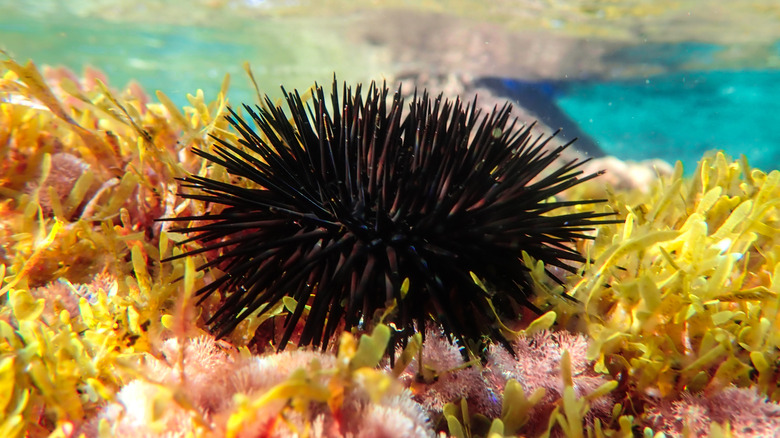
Despite its risks, Virgin Islands National Park remains a vibrant destination where countless visitors safely enjoy its beaches, trails, and waters. To ensure a memorable and secure trip, heed the park's safety guidelines. When snorkeling or swimming, admire marine life from a distance and avoid touching coral, sea urchins, lion fish, or jellyfish, which can cause painful injuries or worse. If you need to rest while in the water, stand only on sandy surfaces to avoid damaging fragile reefs or stepping on sharp sea creatures. Pay close attention to beach flag warnings. Red flags signal hazardous conditions with powerful waves and rip currents, making it wise to stay out of the water at popular spots like Trunk Bay or Cinnamon Bay. Yellow flags indicate moderate risks, and green flags suggest safer conditions. Always check the local conditions first.
On land, stay vigilant to avoid natural hazards as well. Stick to marked trails to steer clear of toxic plants like manchineel tree, whose fruit sap can cause severe burns, and Christmas brush, which triggers itching rashes similar to poison ivy. Mosquitoes are another concern as potential carriers of diseases like Zika, so apply repellent generously. When driving on the island's steep, winding roads, buckle up and stay alert, as accidents are also a leading cause of fatalities. Never swim or explore alone, and always inform someone of your plans. By respecting the park's untamed beauty and preparing for its challenges, visitors can savor this national park as the perfect destination for beach lovers while minimizing its hidden dangers.