

One Of The Main Things Flight Attendants Watch Out For While Passengers Are Boarding
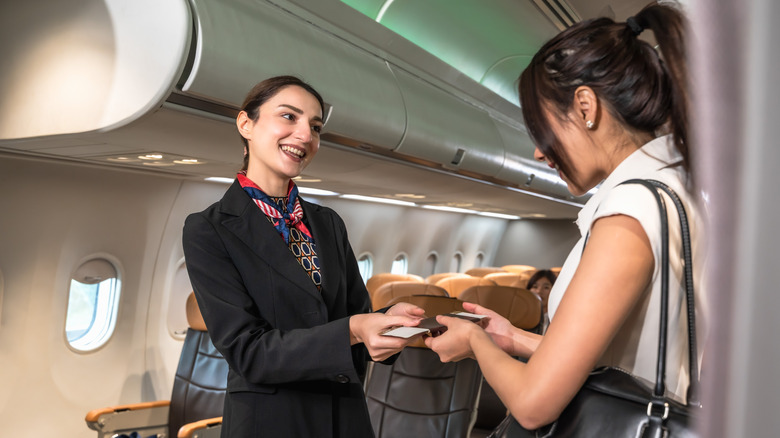
Whenever you board a commercial flight, there's a good chance that one of the first things you'll see is a smiling flight attendant welcoming you aboard. As you make your way through the aisle you will probably notice a few more flight crew members helping passengers stow their bags in the overhead bins or glancing at boarding passes to direct people to the correct seat. It may seem like flight crew members are focused on whichever task they're currently engaged in, but they're also silently observing every single person.
There are a lot of things that flight attendants notice about you when you board a plane. As a former flight attendant, I was trained to watch for certain characteristics and behaviors as passengers entered the aircrafts. One thing we were taught to look out for was "able-bodied passengers" which we often referred to as ABPs.
Identifying able-bodied passengers was an important part of our job because if an emergency or safety issue were to occur during flight, they would be the people on board who we would ask to help us should the need arise. Flight attendants are trained to handle all kinds of emergencies, but during certain situations ABPs could be called on to help us ensure the safety of everyone on board.
What flight attendants look for when searching for ABPs during boarding
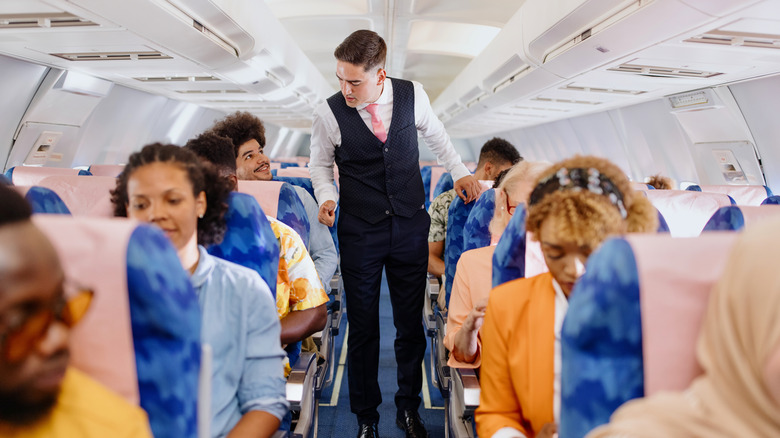
Flight attendants often greet passengers with a friendly "hello" or "welcome aboard" as soon as they enter the aircraft, and all the while they're keeping a lookout for potential ABPs. While they are genuinely offering a friendly greeting, it's also part of their job to observe passengers, and to pay attention to crucial information. Greeting each person who boards can help reveal if someone is a safety threat, or, alternatively, if they could help out if a safety threat arises.
In aviation, an "able-bodied" person is more than just someone without physical disabilities. They're people who are able and willing to help during an emergency situation. The International Civil Aviation Organization simply defines ABPs as "passengers selected by crewmembers to assist in managing emergency situations if and as required."
An ideal able-bodied passenger is someone who has experience dealing with emergency situations. The best people to choose are off-duty flight crew members, firefighters, police officers, or military personnel. People with medical experience — like EMTs, doctors, and nurses — are also good choices. Flight attendants look for people who look physically strong or anyone who may wear clothing or accessories indicating that they serve one of the aforementioned roles. During my time as a flight attendant, potential ABPs would often introduce themselves to crewmembers during boarding, let us know that they were willing to help out if needed, and provide us with some background information about their skills, which was extremely helpful and much appreciated.
How ABPs can help during an emergency
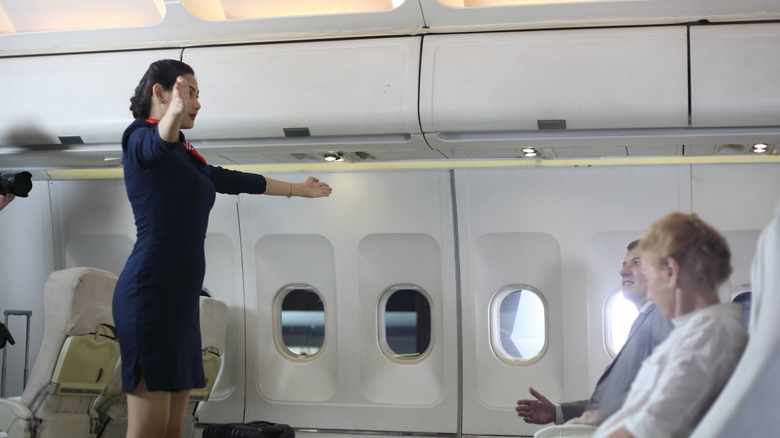
Anyone who books an exit row seat for the flight will usually be briefed on how to operate them before takeoff. However, if there's a situation that requires an emergency landing, flight attendants may relocate certain able bodied passengers to the emergency exit row seats if there's time to prepare. That way, they can ensure that those passengers are able to keep calm in an emergency, open the exit, and assist other passengers.
In the event of an emergency or evacuation, ABPs may be assigned certain duties ahead of time. They may be briefed on what to do if a flight attendant is incapacitated, how to open the door, and how to deploy the emergency evacuation slide. They may be asked to help other passengers exit the aircraft or call them away from the plane to a specific meeting place once they're safely off the aircraft.
Additionally, it's important that flight attendants know who to ask for help if a situation occurs in the cabin during the flight. Unruly passengers pose a serious threat to the safety of crew members and passengers alike. If someone starts being physically aggressive, having trained professionals to help out and de-escalate the situation could be critical. Flight attendants are trained to deal with these situations on their own, but it never hurts to know who to call for help. In the event of a serious issue like a hijacking, ABPs may be called upon to help flight attendants fight back and restrain the dangerous perpetrator. During my seven-year career as a flight attendant, I never had to call on an ABP. Still, it always brought me comfort to identify a few passengers who might be able and willing to help during an emergency.