

What Happens When Popular Ski Destinations Don't Get Enough Snow?
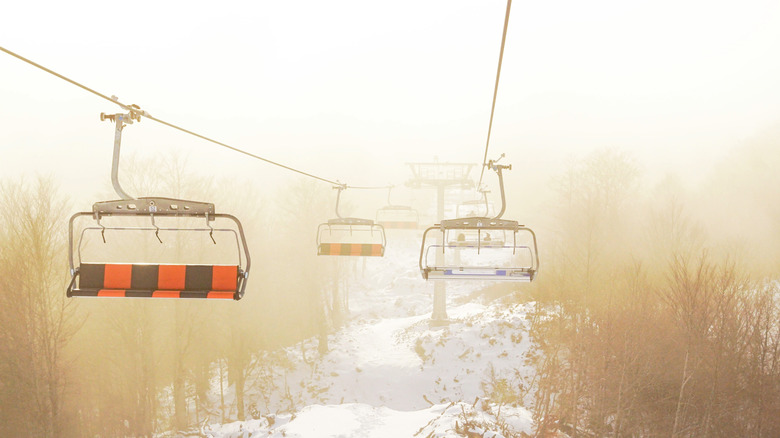
The year 2025 marked one of the Earth's warmest years on record. This surge of warmth rippled across winter landscapes, hitting snow sport lovers hard as unusually warm conditions reshaped the season. Across the U.S., record-breaking winter highs shattered averages, leaving many regions stuck in an autumnal limbo and interfering with the quality of their ski resort getaways. Mountains that typically blanket in lush snow stood bare, forcing a wave of delays at well-known ski resorts.
Skiers who couldn't wait to get to these destinations, like a winter wonderland in the French Alps, found themselves grounded. In the western U.S., where ski tourism drives local economies, the crisis deepened as precipitation arrived only as rain. Popular resorts like Alta and Snowbird in Utah pushed their opening dates back, while others like Telluride in Colorado also scrambled to open for safe operations. Sun Valley, Idaho and Palisades Tahoe in California faced similar dilemmas, with lifts closed and early season passes unused. Resorts like Mt. Bachelor in Oregon and Crystal Mountain in Washington struggled to open as well. With all these beloved resorts opening late, what do they do when they can't get enough snow from nature?
Faced with now commonly unreliable winters, ski operators have learned to deploy a mix of strategies to keep lifts open and the slopes skiable. From postponing opening day to engineering their own wintery mix, most resorts have been adapting for years to the warming of the planet. While no snow replacement tactic fully replaces a big snow storm dump, they buy time and maintain income.
Ski resort tactics for snow scarcity
One straightforward option is to simply open late, prioritizing skier safety over revenue and schedules. This avoids hazards such as exposed rocks or thin coverage that could injure riders or damage resort equipment. This can significantly shorten the season, and slash income to resorts by millions. It's a significant loss to local economies too, which profit off of the ski tourism. But unless skiers are able safely experience the highest ski resorts, it's a must.
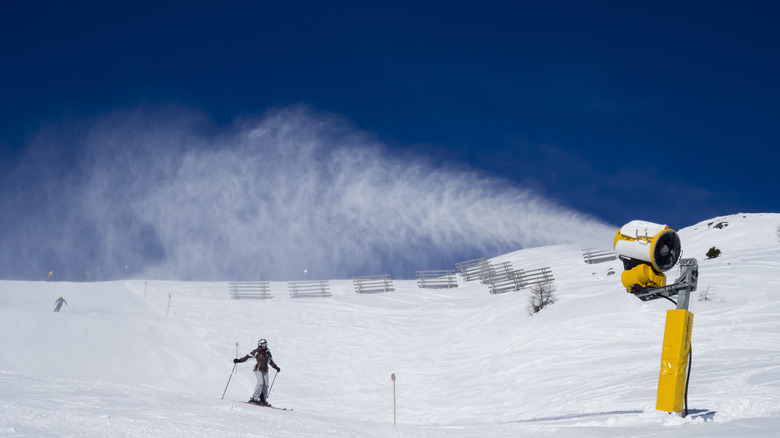
Another option is snow farming, which can be a low-tech, eco-friendly alternative of harnessing what little snow does fall. Crews can erect fences to capture wind-drifted snow into drifts, then use grooming machines to redistribute this snow across skiable runs. This method is used for filling gaps of missing snow without the need of added resources, but still requires snow to be falling, and it can leave uneven terrain if the winds change course. Monarch Mountain in Colorado uses this as an answer to changes in snowfall, and were able to open 51 of 77 runs by late-December 2025.
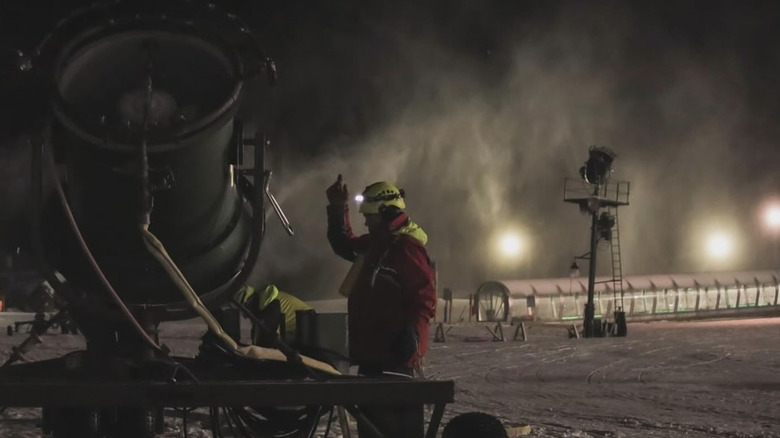
For more control, most resorts turn to creating their own snow with massive snow-making machines, often called snow guns. These guns mix compressed air and water, blasting it into flakes when the temperatures go low enough, below freezing. This usually happens at night. This process often demands huge infrastructure and a lot of money. It raises energy bills for resorts, and takes a toll ecologically as it uses water from local waterways. Keystone and Winter Park in Colorado use diverted stream water to fuel their guns. The industry leader, Vail Resorts, has poured millions of dollars into snow guns to provide groomers for their users.
More options
Another option from Finland is starting to pop up in the U.S., snow storage. Snow storage stockpiles snow to lean on during scarce times, like a squirrel hiding nuts. With snow storage, resorts pile snow into large bunches, insulate them with material that curbs melting, and create a unique micro-climate underneath the material that keeps it cool. The most well-known system comes out of Finland, called Snow Secure. Some resorts in the U.S. have adopted this method, such as Bogus Basin in Idaho and Tyrol Basin in Wisconsin.
And of course, there's the intangible: pray for snow. Many resort employees, such as the ones at Mt. Bachelor, are fostering optimism. It costs nothing and what it can build, like community resilience, is priceless, especially during a time when climate change wears away what we could once expect for the winter, making planning the perfect ski trip much harder.