

What Travelers Should Know About Europe's Short-Term Rental Regulations Before Visiting
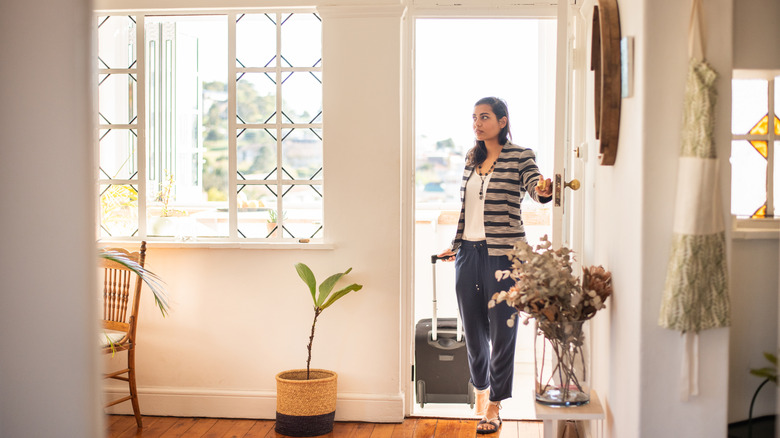
If you're thinking about staying in Airbnbs or short-term rentals on your next trip to Europe, you should be aware that things have changed recently. In the past few years, many European cities have faced the upsetting challenge of overtourism, and a shortage of homes for locals due to increasing costs of housing and tourism demands. To help, many European governments have placed regulations and restrictions on property owners in European cities. For example, hosts are now required to register or obtain special permits before they can rent out their properties. These rules are meant to ensure safety, fairness, and transparency for travelers and property owners alike.
Several European destinations have been restricting Airbnbs and similar short-term rentals. Many cities have placed a cap on the number of nights a year that a property can rent bookings without a special permit. Amsterdam, for instance, allows a maximum of only 30 nights a year. Barcelona has also been cracking down on unregistered short-term rental apartments, and Italy's Airbnb bans prohibit automated check-in for tourists. Even London and Paris put listings under stricter checks, imposing a 90-day limit and possible fines for unregistered hosts.
As such, it's always good to check for a registration number on your accommodation's listing. If it's missing, the place might not be legal, and better avoided. If you happen to book an illegal rental or one without a proper permit, you may be at risk of facing last-minute cancellations if the host is caught. And that's definitely not the kind of surprise you'd want. These restrictions also mean there will be more competition for fewer housing options, so be sure to book your accommodations well in advance.
How to book short-term accommodations cautiously

Before booking your rental, make sure to do a quick check to confirm essential details: Is there a license or registration number on the listing? Does the host mention any local rules? What do the latest reviews say? Are there any complaints about sudden charges or angry neighbors? The good news is that platforms like Airbnb and Booking.com are being forced by city governments (such as in Spain) to take down illegal rentals, so it's safer to pick a verified place than risk your vacation.
Once you arrive at your accommodation, follow the house rules, adhere to quiet hours, and keep your ID and booking screenshots handy, just in case someone needs proof from you. Against any unforeseen situations, save every receipt and chat message in case of disputes. If you ever walk into a place that feels off — perhaps it doesn't meet safety compliance standards — you should report it right away to your rental platform or authorities, and get video and picture evidence. This way, you'll protect yourself and avoid drama with local authorities later.
Honestly, if all these rules feel overwhelming for you, remember that traditional hotels and licensed guesthouses are still great options all over Europe. It's an even better way to support the locals and help ease the tension on housing in those European destinations. On this note, check out these European cities where you can get a hotel room for less than an Airbnb.