

5 Camping Essentials You'll Always Wish You Brought More Of
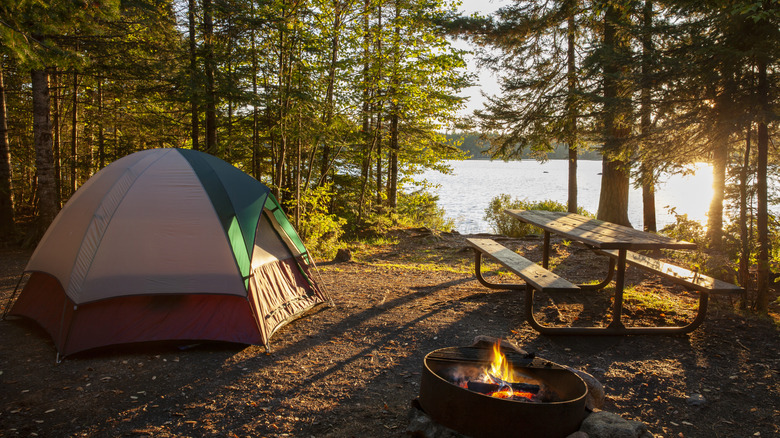
Camping is a favorite way to pass time for many Americans, offering a break from the daily grind and a chance to recharge in nature under the open sky. Online resources overflow with the standard essential packing list for camping, covering all the basics like packing the best gear, tents and shelters, cookware, and navigation tools to ensure a solid foundation. But even experienced campers can get caught on a trip with regrets, not from gear left behind, but supplies having run out too soon, leaving them scrambling to find creative solutions. There are the soft MVPs of camping essentials that sustain comfort and safety. These essentials turn into lifelines when conditions shift, and can turn a potential setback into continued adventure.
Its important to note that the right quantities depend on your style of camping. For backpackers hauling everything on-foot, it's pertinent to be as lightweight as possible. Car campers with room in their vehicles can lean more towards abundance, and creative items to stay comfortable while camping. Other factors include group size, the time of year of the trip, weather, location and duration. Yet the essentials are mostly still the same, it's just the quantity.
Drawing from shared stories on Reddit r/Camping and advice from gear experts like REI and OutdoorGearLab, this roundup highlights common threads from those "wish I had packed more" moments. Forums reveal patters from trial and error camping trips emphasizing the essential items campers wish they would've brought more of: water, fire starters and wood, headlamps, extra batteries, and insect repellent. Each is foundational to having a wonderful camping trip, and on the flip side, creating a rather challenging experience should you run out.
The elixir of life: water
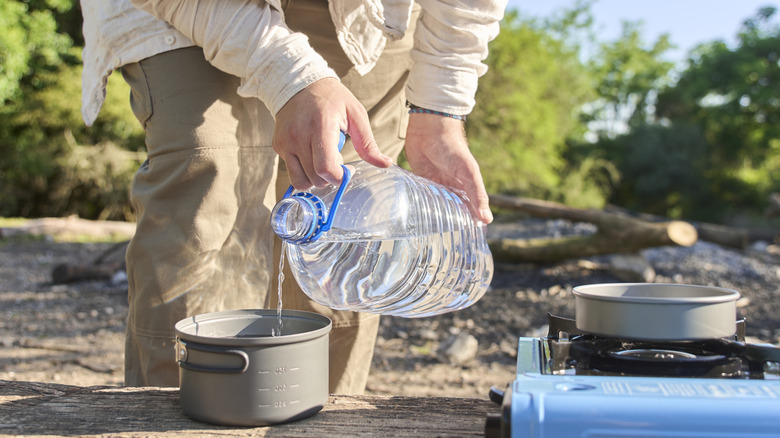
Staying hydrated ranks as a cornerstone of life, let alone any outdoor pursuit, as water fuels bodily functions from temperature regulation to digestion. Water prevents dehydration's cascade of negative symptoms like headaches, fatigue, and even worse things that can endanger your health. Beyond drinking, water also serves a practical role in camping, like cleaning dishes, dousing fire embers, its use for cooking, or cleaning wounds. Campers in diverse terrains rely on it to maintain their stamina during exploration.
When there aren't any remote water sources around, campers can easily run out of water. Since it tends to be one of the heavier and bulkier items to bring on a trip, it can be challenging to pack enough for long journeys. Backcountry adventurers are often limited by pack capacity, and can face dwindling supplies if sources are scarce. Even car campers can be disappointed if the water spigots are far away or not functioning properly. Many campers note that they didn't bring enough water on their trips.
Fortunately there are smart workarounds. Portable water filters like gravity-fed models, can turn rivers and lakes into portable water sources, allowing for indefinite stays near bodies of water. Hikers and campers swear by this water filter. If water seems questionable, water purifying tablets can ease worries. For backpackers, aim for collapsible water bladders that save space and lighten loads.
Fire starters and firewood
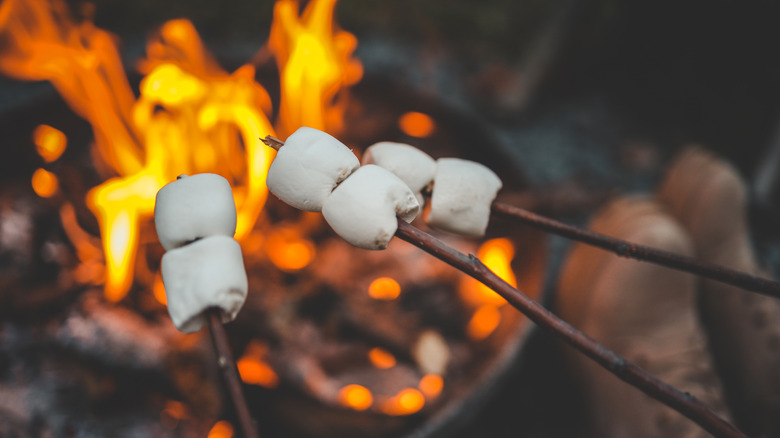
A campfire embodies the spirit of camping, while also providing warmth on cooler evenings, alongside serving as a hub for socializing after dark and crafting those quintessential campfire s'mores. Fire-starters like lighters and matches are an essential piece of any camping checklist. They offer a way to not only start your fire, but also start your stove and make use of your cookware. Without a lighter, chances are most people can't start a fire, and without a fire, a camping trip would be incomplete. They're essential for survival and the intangible joys of outdoor recreation.
While campers can get away with packing a single lighter for a trip, determining the right amount of firewood proves difficult, especially if making a fire multiple times a day. An evening fire might devour wood more quickly in windy spots, and gathering local wood can be risky in protected areas. Often, wood is sold at campgrounds, but at a hefty price.
In order to keep the s'mores crafting happening throughout the trip, proven tactics can help. Stash multiple lighters in separate kits for redundancy. Pack homemade fire-starting kits from toilet-paper tubes filled with lint for a sustainable effort."Buy where you burn" is important to keep in mind, as it aims to curb invasive pests and insects. Burn wood from the area. Aim to burn around two-three bundles of wood an evening. Check with the campground beforehand to ensure they have wood available, and if not, get some on the way.
Headlamps: hands free navigation
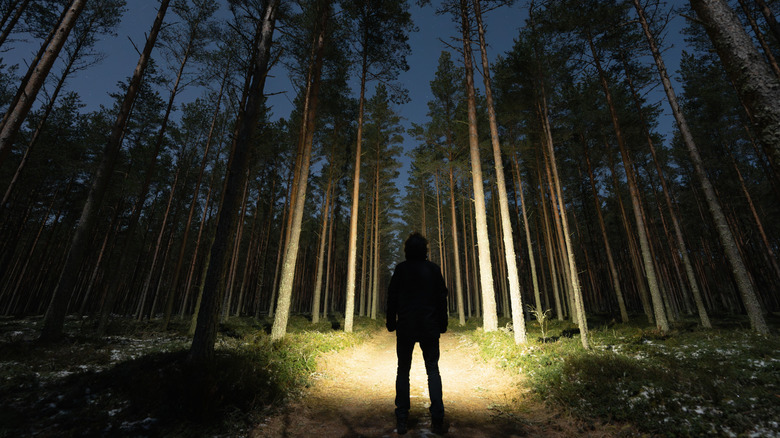
Hands-free illumination transforms nighttime camp routines, facilitating tasks from meal prep to dark bathroom navigation trips without fumbling in the cold shadows. Headlamps strap securely to your head and create targeted light beams for safety during evening hikes or nighttime emergencies. They also reduce the risk of tripping over roots in the trail or misplacing gear back at camp. Headlamps are compact and energy-efficient, and extend useable outdoor hours, serving as vital tools for camping trips with high versatility and a small footprint.
When these crucial camping items run out of battery, darkness can encroach, replacing joy with potential hazards and the need for a lot of patience. Batteries can drain unexpectedly from accidental activation in backpacks (who hasn't had their headlamp turn on in their pack?), or extended use during short-day seasons due to prolonged need. Batteries also die faster in the cold. If you have a family, kids love to play with headlamps, leading to quick battery burnout.
In order to maintain the life of your headlamp, choose models that have red light modes that preserve night vision, use less battery, and avoid bringing light beams right into your friends' faces. Aim to stock multiple headlamps in your camping kit, and at least one for an emergency, in order to illuminate a path forward.
Extra batteries
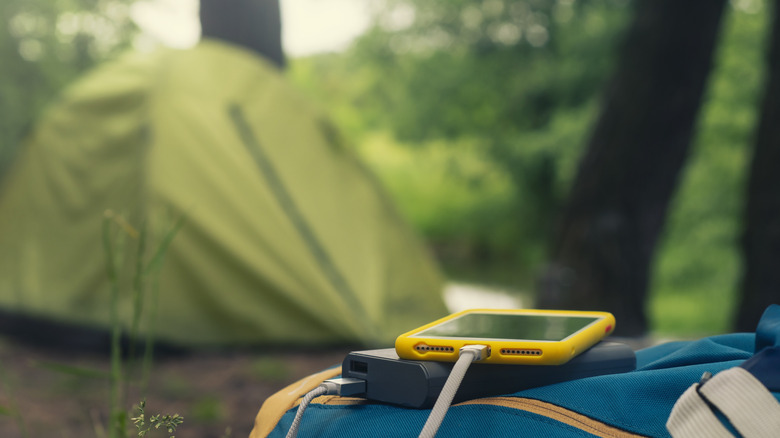
Power reserves keep your critical camping devices alive, like headlamps, light sources, and communication tools like cell phones and radios for emergency situations. Batteries fuel headlamps for visibility, fans for comfort during warmer months, and portable speakers for the ambiance and vibes. If tent camping, they can be an important part of your setup. For most, they're an essential piece of camping gear.
Since batteries can die easily and more rapidly during cold weather, or if relied on heavily like during the shorter days of fall and winter camping, they're crucial to pack extra of. Everyday urban habits might obscure campers' true needs, and can lead to shortcomings, especially for those new to camping. Larger groups like families can require even more juice, amplifying the need.
Thankfully, there are easy solutions. If your devices run on single-use batteries, pack extra. if your devices are rechargeable, bring a power bank. Power banks are sold in a variety of sizes, from the uber-portable (think your smart phone's size), to the size of a small cooler. They're versatile, offering options for any camper's needs. Power banks can keep you running until your trip is over, because you can never be too prepared. They can also be charged by solar panels. Here's how to choose the right solar panel for your needs.
Insect repellant
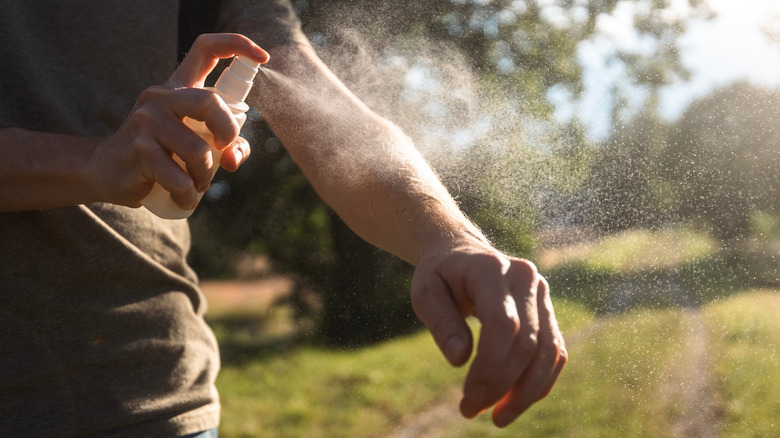
Shielding against pests can maintain the serenity and enjoyment of a camping trip, keeping the bugs at bay that bite, irritate, and transmit diseases. Repellents in sprays, lotions, or devices can create a barrier between you and the bugs, allowing hiking, fishing, or fireside chats without constant swatting at mosquitoes. In pest-prone zones, insect repellent is the key to having a good time and keeping in good health, curbing the constant distractions that can erode mental recharging, but many campers forget it.
Many people probably have a story about running out of this camping essential, and none of them end well. Running out could mean cutting your trip short due to irritation and inflammation. Mosquitoes are considered more than just a nuisance by the Centers for Disease Control, as they label them the world's deadliest animals due to their ability to transmit diseases. These silent biters can pose health risks in addition to their nuisance.
Bugs can be a constant source of distraction, but there are many ways to keep them at bay. In order to prevent pests from getting the best of you, pack an extra can of bug repellent, these small tubes can easily fit into your pack or vehicle, and aim to wear layered clothing they can't penetrate. Check out Costco's must-have items to keep bugs at bay this summer.
Methodology
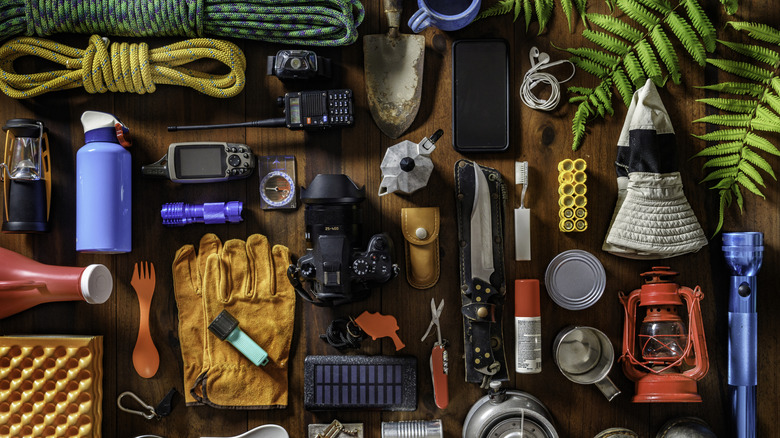
This list stems from an organization of insights across camper forums on Reddit r/Camping and r/CampingGear. We examined threads where users detailed hard-learned lessons from initial outings, pinpointing recurring shortages in supplies essential for camping. Other lists like "wish I knew" advice regarding camping were examined and cross-referenced with camping essential lists from outdoor experts like REI and OutdoorGearLab.