

The Most Dangerous Critter Park Rangers Warn Visitors To Avoid At Grand Canyon National Park
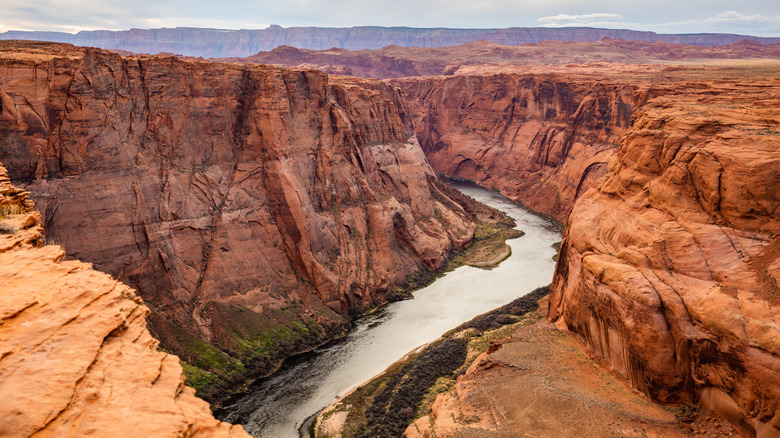
There are few places on Earth that match the jaw-dropping scale of the Grand Canyon. No video, photo, or story quite prepares you for that first glimpse — an endless stretch of ancient rock, carved by time, silence, and the mighty Colorado River. It's no wonder President Theodore Roosevelt once called it "one of the great sights which every American, if he can travel at all, should see." He wasn't exaggerating. The Grand Canyon is more than just a natural wonder — it's a cultural, geological, and historical treasure, with nearly two billion years of history, attracting close to five million visitors a year. Visitors come for the awe-inspiring landscapes and iconic trails, but for many, spotting wildlife is one of the most memorable things to do at the Grand Canyon.
With over 90 species of mammals calling the canyon home — including bighorn sheep, bears, coyotes, and deer — wildlife encounters are almost guaranteed. Yet surprisingly, none of these animals top the list of wildlife dangers in Grand Canyon National Park. That title belongs to a small, bushy-tailed critter that looks more Pixar than predator: the rock squirrel.
Rock squirrels have earned the alarming reputation of being "the most dangerous animal in the Grand Canyon," causing more injuries than any elk, rattlesnake, or mountain lion. Park rangers even describe them as "unforgiving" and "absolutely ferocious." It's important to note that thousands of these seemingly innocent animals roam the park, and are often bold enough to approach visitors. So if you're planning a trip to one of the most beautiful places in America's national parks, remember: the cutest animal is probably best to avoid.
Why the cutest critter in the Grand Canyon is also the most dangerous
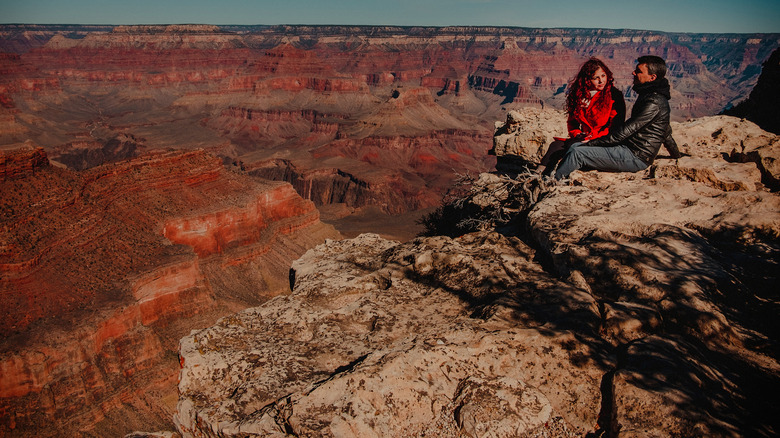
Rock squirrels may not look threatening at first glance. Measuring 17 to 21 inches long, with thick, bushy tails and fur that blends perfectly into the rocky landscape of the Grand Canyon, they seem harmless. But behind those big eyes and twitchy noses is a wild animal that's active, clever, and has little fear of humans. These diurnal creatures are most active during the busiest hours, often roaming the park in groups, luring unsuspecting visitors closer before launching surprise raids on backpacks and picnic snacks.
According to Grand Canyon National Park officials, these squirrels have "sharp teeth that crack nuts — and cut fingers," and what starts as a "cute moment" can quickly turn into a painful one. Their bites can carry rabies, spread bacterial infections, or even require painful post-exposure shots. In the worst case, they can transmit plague. And that's not just unfortunate — it's dangerous. Jill Staurowsky, an interpretive ranger who's worked at the South Rim for several years, told National Geographic: "Watch out for squirrels — the most dangerous animals in the park!"
Even worse, the consequences of close interaction harm the squirrels too. Human food is hard for them to digest, and this can cause squirrel fatalities. Frequent feeding also leads to behavior known as "food-conditioning" — where animals lose their natural fear of humans and become aggressive and dependent on human food. Animals that become too bold often have to be euthanized for safety reasons. You don't want to be the kind of visitor the National Park Service warns about — the ones who, despite good intentions, end up loving animals to death by feeding or approaching them. So while it's tempting to treat these animals like pets, they're wild — and need to stay that way.
How to avoid rock squirrels and stay safe in the Grand Canyon
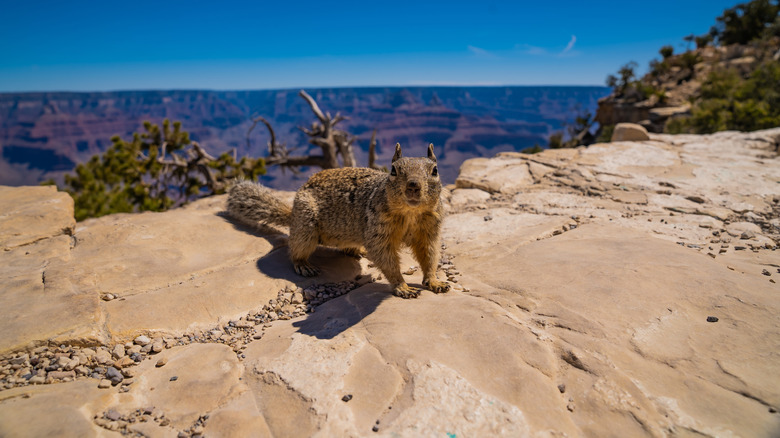
One of the biggest safety challenges — and frustrations for every park ranger — is managing visitors who ignore wildlife rules. There's even a nickname for them: "tourons," short for tourist-morons. A bit harsh? Maybe. But if you've ever seen someone try to hand-feed a squirrel — only to get bitten, as shown in this video — you'll understand why rangers can't stand that kind of behavior. To avoid that label (and a possible hospital visit), the rules are simple.
First, check the official park website before your visit and look for current safety alerts — from trail maps to wildlife guidance. Once you're there, don't make the job harder for park rangers, who are already doing a lot to protect both humans and animals. Keep at least 50 feet — about one bus-length — between yourself and smaller animals like squirrels. Most importantly, feeding wildlife is not only harmful, it's illegal. You could face fines of up to $5,000, or even jail time. And the last thing you want is for a national park visit to end in a courtroom.
Protecting your food is also part of being safe. Use rodent-proof storage or tightly sealed containers when camping or hiking. And whatever you pack in, pack out. Following Leave No Trace principles helps protect animals and keeps the canyon wild for generations. And yes — if you're unsure, ask a ranger. They're always ready to help. Ranger Staurowsky reminds visitors: "Be sure to bring reusable water bottles, sunscreen, and a hat when you come for a visit — especially in the summer months." To better understand why wildlife safety matters, check out how rangers wish tourists would treat cute critters like the dangerous animals they are.