

Tourists Visiting US National Parks Put Themselves In Danger By Breaking This Rule
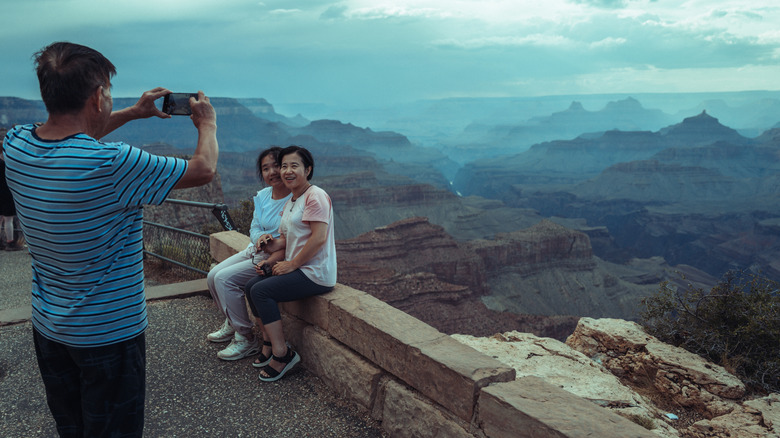
Visiting any of the beautiful national parks in the U.S. can be quite fun and thrilling for tourists who go hiking and camping, but it can also be dangerous if you don't take care and follow the rules. Tourists often engage in a harmful but common activity that rangers warn against, especially to get a better view or snap nicer photos: You might be tempted to climb over guardrails or go beyond safety barriers. True, this may give you a much closer or more mesmerizing view of the scenery and animals, but you might just be putting yourself, and the surroundings, in harm's way.
The guardrails are there to protect tourists from some natural dangers beyond the railings. Barriers are installed in specific places where a wrong step could lead to an injurious or deadly fall. And nature can in fact be deceptive: Solid-looking rocks may suddenly crumble, flat grounds may give way without warning, and the wind could grow too strong. At Sequoia and Kings Canyon National Parks, for example, 25 people died from fatal falls over a 10-year period, and it seems likely that some of these victims may have crossed the safety barriers or veered off marked trails.
Another danger is exposure to wild animals. And even though some animals may look calm, you can't exactly predict their actions; they're called "wild" for a reason. As the National Park Service aptly puts it, "These animals are in their natural habitats — you are a guest in their home." A mountain lion or a curious elk can appear suddenly, and they might be triggered in ways you wouldn't want to imagine.
Deeper consequences of going past the guardrails
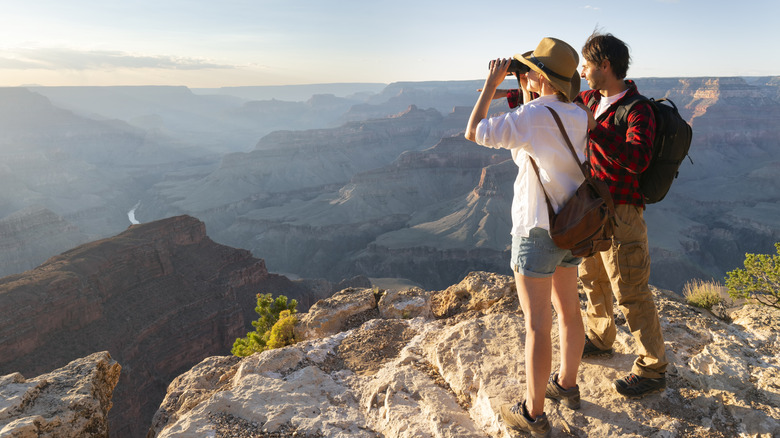
The risks from crossing safety barriers actually go beyond just the person who steps past the railings. Your actions might put park rangers and rescue teams at risk too. Year in and year out, national parks carry out thousands of search-and-rescue missions, pushing rangers into tough spots where they may have to traverse loose rocks, face harsh weather conditions, or contend with wildlife. The expenses and time spent on such rescues add up, and may put not only the entire park but other visitors in distress. So, when you make a harmful mistake you're supposed to avoid in national parks, you put both yourself and other innocent people in danger.
The environmental side of it is another impact worth noting. When you climb over the safety barriers, you can wreck some fragile and rare plants, mess up the landscape, destabilize ecosystems, and set the surroundings up for human-induced erosion. Many such damages usually take decades to heal, if they ever do. At the end of the day, remember that the guardrails are there to help you enjoy the park in the best and safest way possible, ensuring that everyone and everything within the park is protected. Respecting that one rule is definitely not too much to ask.