

These Popular Destinations Charge Travelers A Green Fee Tax To Combat Overtourism

Overtourism is one of the most talked-about phenomena in the modern travel space. Ultra-cheap flights and a more flexible working environment are just two of the factors that have contributed to an increase in travel and tourism over the last decade, with more people than ever choosing to explore the world and discover amazing new destinations. While tourists bring significant economic benefits to the places they visit, many countries are struggling to cope with the higher number of visitors, and are looking for ways to mitigate the impact.
A significant part of the problem is the environmental damage that overtourism can cause. People are aware of the carbon footprint that air travel leaves, but there are a number of other ways that tourism can impact the natural world. In order to combat the growing crisis and protect and conserve habitats and infrastructure, countries around the world have come up with bold plans to combat overtourism, with several governments now charging a green fee or eco tax on visitors.
The idea behind this initiative is simple. The tourist levy will help encourage more sustainable, ethical tourism, and provide funds that'll go towards conservation efforts and improved infrastructure, so that tourist destinations are better able to cope with the number of visitors they receive. The exact approach differs from country to country, so it's worth investigating further before planning your next adventure. Here are five of the most popular destinations that are leading the charge for sustainable tourism, and will be charging green tourist taxes in 2026.
Hawaii

Hawaii is a glorious tropical paradise, a land of lush green jungles, volcanic peaks, and stunning azure seas, filled with exotic fish and vibrant coral reefs. The islands have struggled with unsustainable tourism for some time, as they receive more visitors than their infrastructure can handle, leading to overcrowding and environmental degradation, on top of the wider impacts of climate change. In an attempt to protect and preserve its magnificent natural environment, Hawaii is one of the newest places to implement a green levy on tourists, with its Green Fee Tax starting at the beginning of 2026.
Hawaii's tax comes in two parts. The first is an additional 0.75% tax on short-term tourist accommodation, including hotels, homestays, and vacation rentals. The second is a flat $5 fee for all cruise passengers arriving at Hawaiian ports. These measures are expected to raise around $100 million every year.
The Hawaiian government will allocate these funds to projects focusing on environmental protection and restoration, climate and disaster resiliency, and sustainable tourism. The specific priorities will be decided each year, giving authorities the flexibility to deal with pressing issues and unforeseen disasters, but will likely be used for things like reef protection, sand erosion protection, and waste management.
Greece
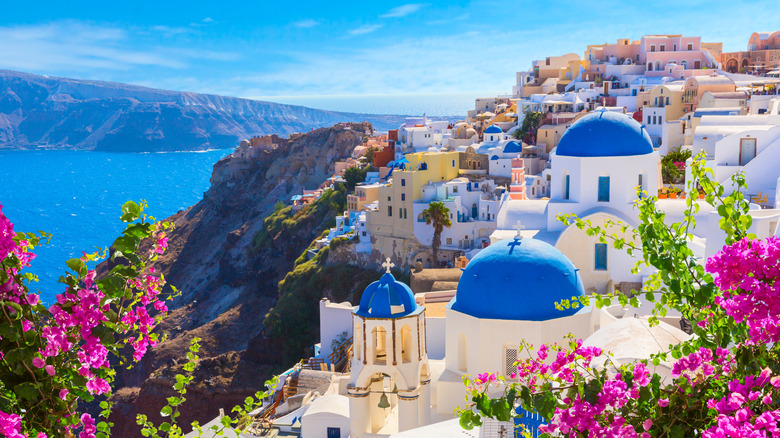
Greece has been charging a tourist tax on visitors to its most popular (and at-risk) islands, like Mykonos and Santorini, since the beginning of 2025. Since the middle of last year, all cruise passengers visiting any Greek islands have been subject to an additional sustainable tourist fee, which varies depending on the destination and time of year.
Greece has taken an extremely flexible approach to mitigating the effect of huge seasonal variations in visitor numbers to its most desirable and vulnerable tourist destinations. In the high season, between June 1 and September 30, the levy can reach up to 20 euros per person, while in the shoulder seasons in October and April to May, tourists arriving by cruise will only have to pay 12 euros in Mykonos and Santorini, and three euros on other islands. In winter, the fees remain, but drop to four euros and one euro.
The Greek government hopes this sliding scale will help to encourage travelers to visit at different times of year, helping to spread out the impact of tourism without reducing its benefits. They also expect to raise around $45 million per year, which will be used to help the islands protect their biodiversity and natural attractions, conserve archaeological sites, and make them more resilient when handling larger visitor numbers in the future.
Spain
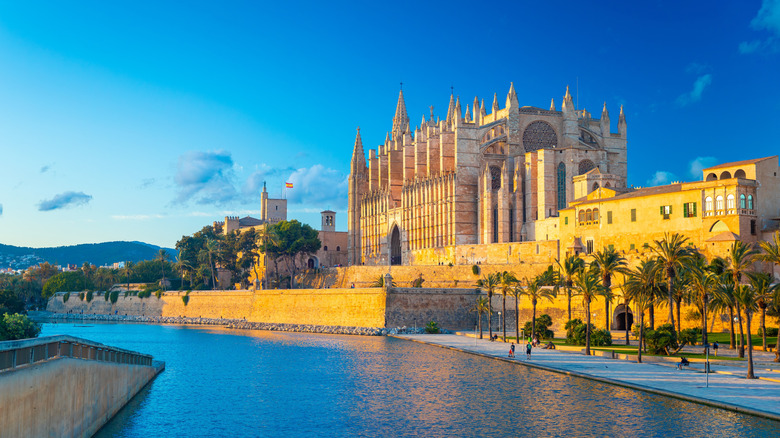
Spain is home to some of the most popular tourist destinations in Europe, and has also seen some of the most visible and charged protests against overtourism in recent years. The backlash to growing visitor numbers in cities like Barcelona has been powerful, even aggressive at times, and there have been huge demonstrations and water pistol protests across the country. As a result, it's not surprising the Spanish government has implemented a green tourist tax in certain cities.
In Spain, the green tax will be charged on accommodation, putting the responsibility for the fee onto the hospitality sector. Visitors will be charged an additional fee at the start of their stay, with a sliding scale depending on where they're staying and the level of luxury of the hotel. The most expensive charge will apply for tourists staying in five-star accommodations in Barcelona, at 15 euros, while the least expensive can be as low as 60 cents.
In 2025, the fee was applicable in Catalonia, Galicia, and the Balearic Islands, but plans are in place to expand it to Valencia and the Canary Islands, Europe's warm weather winter vacation favorite, in 2026. The revenue is invested directly into the local region where it's collected, primarily in sustainability and infrastructure projects.
Japan
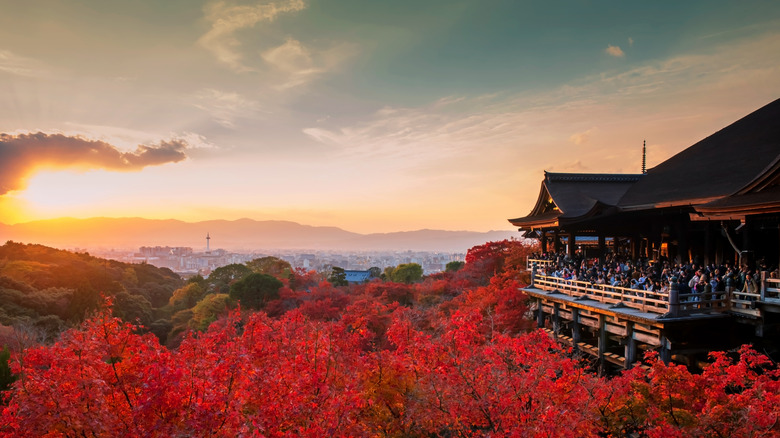
Tourism in Japan has been on the rise ever since the end of the COVID-19 pandemic. 2025 saw a record 40 million visitors to the country, primarily to Tokyo, Osaka, and Kyoto. While Tokyo and Osaka are huge cities, easily capable of handling the millions of tourists who visit, Kyoto is a slightly different prospect. Known for its rich history, fascinating cultural heritage, and beautiful temples and gardens, the environment in Kyoto is more fragile and more vulnerable, requiring more protection and preservation.
In order to manage the ever-increasing flow of tourists, Kyoto will be implementing an additional tourist tax in 2026 for visitors staying overnight in the city. Kyoto already has a small tourist tax in place, and the increase will be significant for some. In a similar way to many other places worldwide, the fees will be dependent on how much you're spending on accommodation, and while nothing will change for the most basic level of accommodation, visitors staying in the most expensive accommodation will be charged ten times what they would've paid last year, with a cap coming in at around $65 USD.
While this might seem steep, the mayor of Kyoto, Koji Matsui, said that it's necessary in order to "balance tourism and the livelihoods of local residents". The Japanese government also said that the taxes would provide vital investment, and would "enhance the city's appeal as an international cultural tourist city and promote tourism".
The Maldives
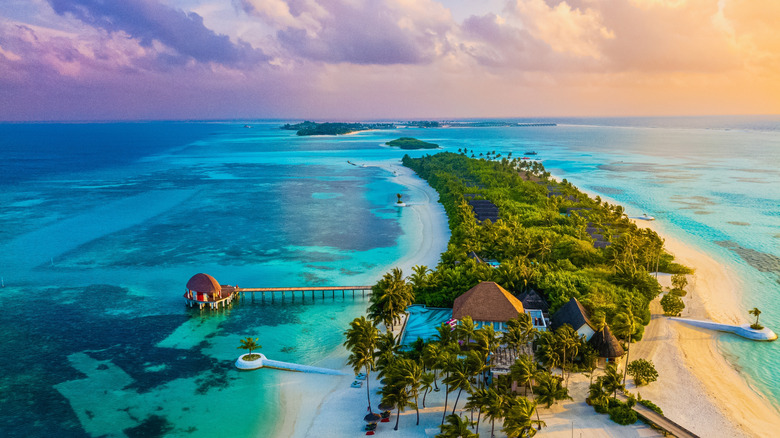
As an island nation, the Maldives is particularly susceptible to the dangers posed by climate change and overtourism. Its delicate marine ecosystems are one of the main reasons tourists come in the first place, and yet they're the things most at risk from unconstrained tourism. Without proper infrastructure or environmental controls, the Maldives faces a number of issues, including habitat destruction and coral bleaching.
Green taxes have been collected in the Maldives since 2015, but in 2025, they underwent significant changes, and in most cases, were doubled. Larger guesthouses and hotels now charge tourists an additional $12 USD per night as an eco-levy, while smaller accommodations charges $6 USD per night.
Green taxes in the Maldives are used to support environmental projects across the country, and the government intends to continue using the revenue to protect and preserve the ecosystems that form the bedrock of the country's tourism.