

Scenic Hiking Trails & Camping Await At One Of The World's Largest Joshua Tree Forests
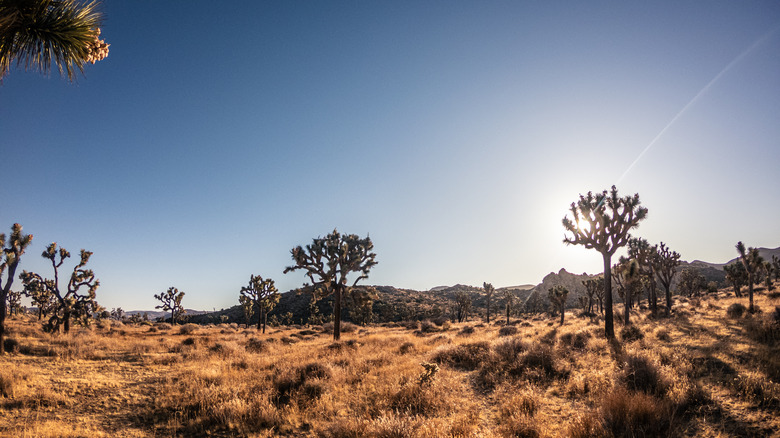
Avi Kwa Ame National Monument, pronounced Ah-VEE kwa-meh, is one of America's newest and most sacred protected landscapes. Hidden in Southern Nevada, this 500,000-acre monument preserves beautiful desert valleys, volcanic peaks, and one of the largest Joshua tree forests globally. Actually, it is not only a stunning alternative to Joshua Tree National Park, but it is also way less crowded. Whether you want to hike the towering Joshua trees or camp beneath the desert skies, Avi Kwa Ame is a bucket list destination.
Nestled in the southern tip of Nevada, Avi Kwa Ame is easy to reach from nearby cities. If you're visiting from Las Vegas, the monument is about 80 miles away, while Laughlin is about 13 miles away. The nearest airport is Harry Reid International Airport(LAS) in Las Vegas, which is roughly one and a half hours away. The monument's name, Avi Kwa Ame, means 'spirit mountain' in the Mojave language and has spiritual importance for the Mojave and the indigenous tribe. In 2023, it was designated as a National Monument to protect its ecosystems and tribal lands.
Hiking and camping in Avi Kwa Ame National Monument
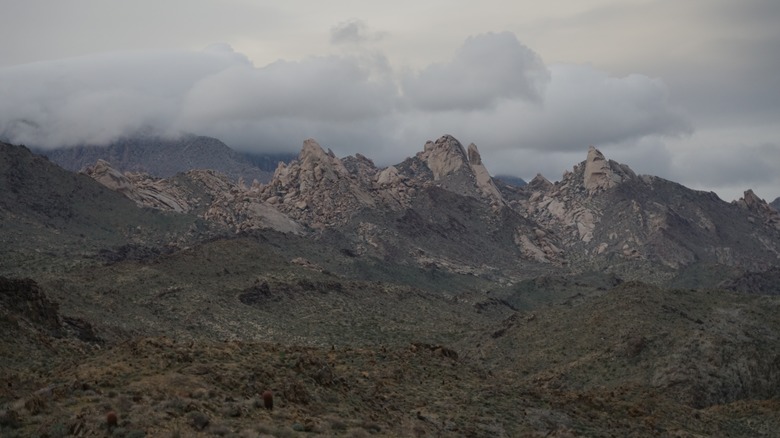
Avi Kwa Ame National Monument is a top destination around the world for avid hikers, as it features several miles of paths winding through the volcanic rock formations and open valleys. While there are just a handful of designated hiking trails, you can wander off and discover the desert landscapes. Start with the Grasslands Loop Trail that passes through Joshua Tree forests and desert landscapes. This 4.1-mile trail is an easy route that winds around dense grasslands where you can find various Mojave Desert bunchgrass species such as Bush Muhly and Big Galleta.
Another moderate trail to follow in Avi Kwa Ame is the Hiko Springs Canyon route. This is a 3.4-mile trail that passes through a desert canyon in the Newberry Mountains. As you follow the trail, you'll see petroglyphs and dense desert vegetation. This trail is also a popular birdwatching area where you can spot golden eagles, flycatchers, and northern mockingbirds.
Camping in Avi Kwa Ame is a magical experience. While there are no developed campgrounds within the monument, dispersed camping is allowed in the area. You can camp near Walking Box Ranch at the Grassland Trailhead. To get to the dispersed camping site, drive along the Walking Box Ranch Road past the entrance of the ranch and further south to a large coral and parking area. Wee Thump East Road also has numerous dispersed campsites. These campsites have no amenities and are available on a first-come, first-served basis. That means, if you find a campsite occupied, you find other dispersed campsites in the area.
Planning your visit to Avi Kwa Ame
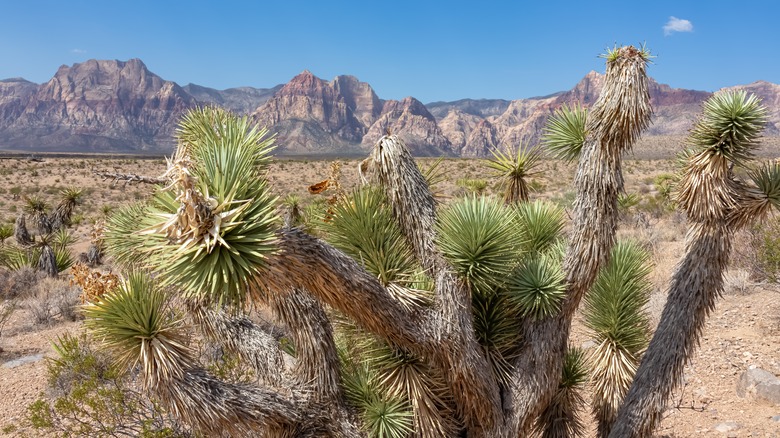
The best time to visit the national monument is from October to April, when the temperatures are mild enough to explore comfortably. Summer, however, can be extremely hot with temperatures often surpassing 100 degrees Fahrenheit, so if you plan to visit in those months, you will have to limit your outdoor activities to early morning or late evening. Also, as you plan your visit to the monument, don't forget to check the weather conditions. This will give you an idea of what to bring for a more enjoyable hiking and camping adventure.
For instance, if you plan to traverse the mountain peaks, it can be extremely cold. So bring your base, and outer layers. Prepare for the outdoors with good trail boots, sunscreen, and enough water. Since this is a remote destination, bring a first-aid kit with pain meds and antiseptic cream if possible. They might come in handy in case of a minor accident or discomfort.
Avi Kwa Ame is not only rooted in culture, but is also sacred to the local tribe. So when you are in the area, respect the land's spiritual significance. They believe that almost everything on the monument, including soil, mountains, water, and rocks, is alive, so, take care of them. Drive slowly and stick to the designated backcountry roads; do not create your own trails or drive off-road. Since the area has numerous historic resources, do not remove any artifacts or move them from their location. And do not forget this backup plan, every hiker needs to have safer trips.