

The 5 Safest Countries For Travelers To Visit In 2026, According To This Report
International travel can carry an undeniable charm that draws many people across borders every year. It opens doors to immersive cultural experiences, from sampling street food in busy markets to hiking in the Alps and wandering ancient ruins that hum with stories of civilizations past. Beyond the sights, it can foster personal growth and connections with diverse ways of being and living, enriching one's understanding of the world and oneself. Yet all of this adventure can also bring risk and uncertainty, like navigating language barriers or unexpectedly getting lost in a foreign city. More serious risks include theft, health issues, or harassment and discrimination. Feeling secure can make travel more enjoyable and allows travelers to focus on discovery rather than danger. Berkshire Hathaway Travel Protection (BHTP) ranks the world's safest destinations annually based on comprehensive data.
The organization's methodology involves surveying American travelers who visited countries in the past five years and drawing on external metrics. For example, it considers the Global Peace Index, which measures societal stability and absence of conflict, Numbeo's Quality of Life score, and GeoSure Global's assessment of crime statistics. While these snapshots can shift with events like natural disasters or political changes, the rankings reflect overall traveler perceptions combined with objective data. For 2026, BHTP's top five safest countries are the Netherlands, Australia, Austria, Iceland, and Canada. They all have very low crime, strong infrastructure, and inclusive environments, making them ideal for a peaceful adventure.
The Netherlands
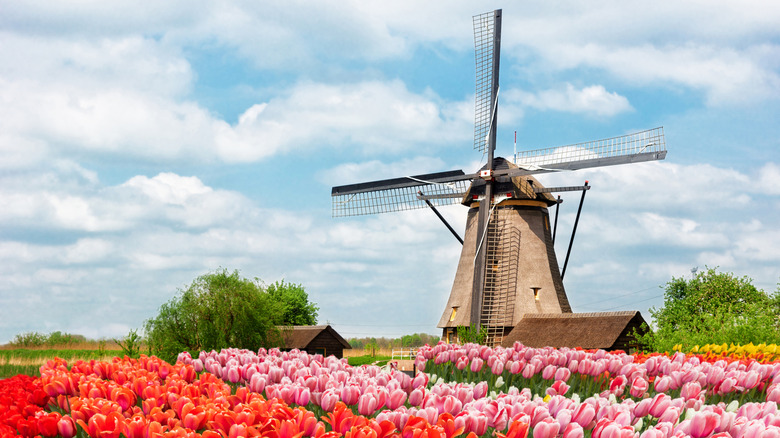
Ranking first on the list, the Netherlands marks a dramatic rise from 14th place in 2025. This country scores exceptionally well in societal security, with very low violent crime rates. The Global Peace Index places them 18th globally, far ahead of the U.S. at 132nd. Numbeo data highlights high safety standards for daytime and nighttime walks alone, reflecting peace of mind no matter the time of day. Its infrastructure shines with efficient public transport and top-tier healthcare that is accessible to visitors. The Netherlands fosters an inclusive attitude, and BHTP notes near-perfect marks for safety among women, LGBTQIA+ communities, and travelers of color, naming it as a peace-loving haven.
Progressive policies on equality and well-maintained urban spaces minimize risks for travelers. However, visitors should familiarize themselves with bicycle rules. Many dedicated bike paths intersect pedestrian areas, and speedy bikers can surprise the unfamiliar. Always check for cyclists when crossing as bike culture here is a thing of its own.
Including its safety, the Netherlands beckons with its iconic tulip fields that bloom vibrantly in the spring and the quaint windmills and wooden houses that evoke a charm. Historically significant spots like the Anne Frank House and Van Gogh Museum showcase the country's political and artistic history, but there are also many other gorgeous places to explore without the tourist crowds.
Australia
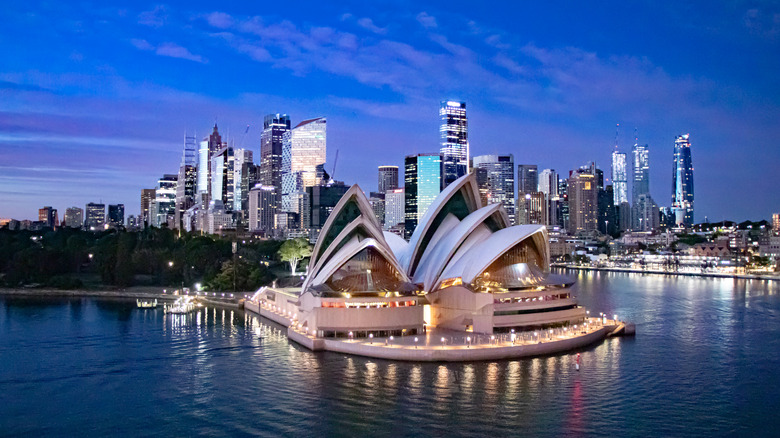
Australia holds steady at second in BHTP's 2026 rankings, matching its 2025 position, thanks to high scores in health and terrorism safety. The country's stable political landscape, stringent gun laws, and low crime rates earn these high marks alongside a 19th Global Index Score. BHTP notes Australia's biosecurity measures that likely curb disease outbreaks, making it a leader in health safeguards. Parents rate it particularly well for family travel, and urban areas boast reliable emergency services and inclusive policies that support diverse travelers.
Still, in urban areas petty scams like bag snatching or car break-ins can occur. In remote areas of the Outback, extreme weather can pose risks, alongside natural hazards like rip currents at the beach, dangerous wildlife, wildfires, or occasional cyclones in tropical areas. It is the environmental threats that cause more of a threat than humans in the Land Down Under. Due to its relative safety, many travelers are drawn here for the Sydney Opera House, Great Barrier Reef, and rugged Outback exploration. With English as its national language, it eases communication and navigation for many visitors.
Austria
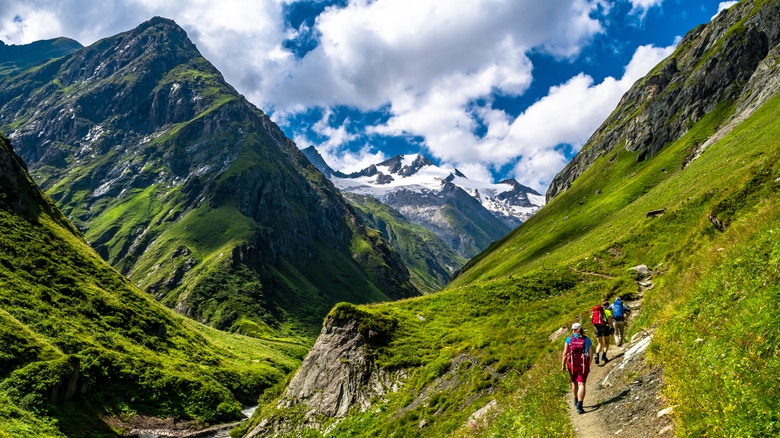
Austria debuts at third in the 2026 rankings, absent from the previous years, and was propelled into the rankings by newly emerging traveler acclaim. Safety hallmarks of Austria include its fourth-place Global Peace Index ranking, which emphasized societal stability and low conflict. Numbeo positions Austria among the top 30 safest nations in the world, with one of Europe's lowest crime rates. The country boasts efficient public services, clean streets, and high-quality infrastructure. While it maintains a Level 1 U.S. travel advisory, the government advises caution around demonstrations in urban centers that are often tied to political holidays or global events.
Core elements of Austria's safety ranking include reliable rail systems, healthcare, and inclusive environments for all demographics. Home to 12 UNESCO World Heritage sites, the imperial palaces of Vienna, stunning Alpine ski regions, and charming towns like Salzburg, it's hard not to feel drawn to this beautiful country. It offers incredible natural beauty within the Alps for great winter sports, and it's a wonderful gateway to the surrounding countries and the rest of Europe.
Iceland
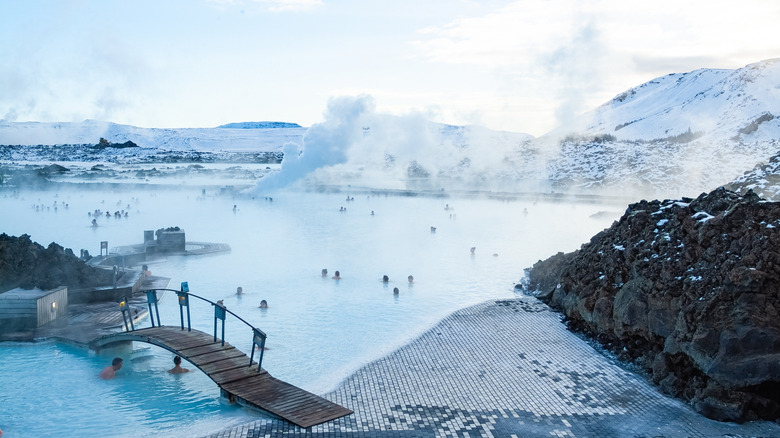
Iceland falls to fourth place in 2026, down from first in 2025. This narrow drop is attributed to recent volcanic activity slightly impacting the perceptions of travelers, but this country has consistently landed in the top safest nations. The Global Peace Index has crowned it the world's most peaceful nation since 2008, with no standing army and stable politics. Numbeo lists its cities in the top 20 safest globally, held up by low crime rates, universal healthcare, and a focus on sustainability.
Other pivotal safety features include efficient emergency services and environmental monitoring. Yet, natural perils do loom. Volcanic eruptions can spew lava, and major wind and snow storms can become hazardous, closing the Ring Road and stranding those who embark on this extremely popular road trip. Outdoor risks like avalanches and slippery trails can be dangerous while adventuring outdoors. Iceland offers endless ethereal landscapes, from the Northern Lights and hot springs like the Blue Lagoon to glaciers, volcanoes, and waterfalls. The outdoor exploration here is endless and inspiring.
Canada
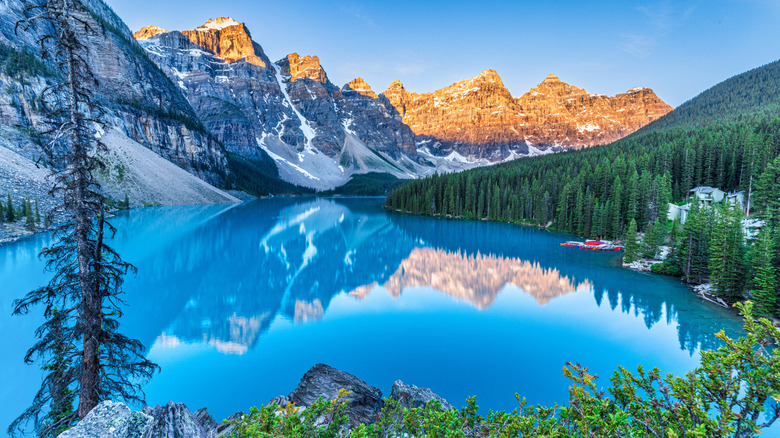
Canada ranks fifth in 2026 — down from third in 2025 — due to a slight Global Peace Index decline related to violent crime perceptions. But it remains at the top of the list for North American countries. Its safety derives from an 11th-place GPI ranking, economic stability, and high quality of life. It also ranks highly for its counter-terrorism measures, transportation security, and inclusivity for women, LGBTQIA+, and people of color. The country's health system excels, and relatively low violent crime rates enhance its appeal as a safe travel destination.
Petty theft persists in major cities like Toronto, Montreal, and Vancouver. And to combat crimes of opportunity, it's actually against the law to leave your car unattended with the doors unlocked or the key in the ignition. So if anything, you may actually be at risk of having your car stolen or getting a fine. Wildlife encounters and harsh weather are another threat to human safety, so always give wild animals ample space and check weather conditions before heading out on the roads or embarking on outdoor activities.
Despite its precautions, Canada continues to captivate with its boundless attractions. National parks like Banff, or its lesser-known neighbor, Yoho, offer immaculate scenery and showcase the Rocky Mountains. The Northern Lights are a seasonal highlight, and Canada's vibrant cities offer great festivals and events. There are many reasons to put Canada on your bucket list.