

One Of Hawaii's Best Towns To Live In Is A Historic, Coastal Gem On The Big Island
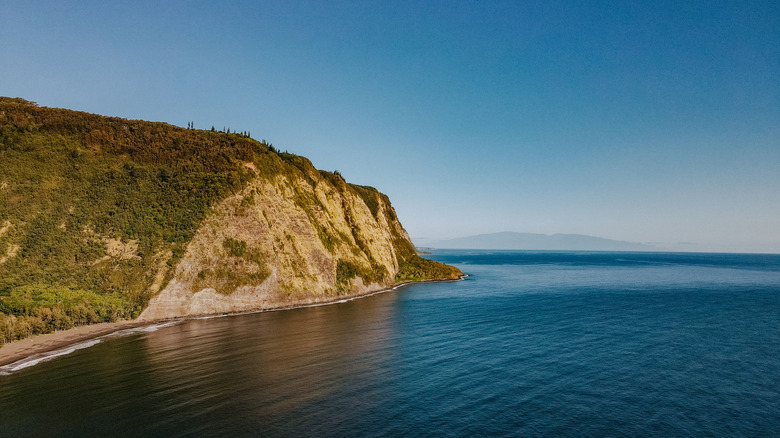
Sitting along Hawai'i's scenic Hāmākua Coast, Honoka'a stands out as a coastal gem where historical charm meets contemporary community life. Just 40 miles north of Hilo and a 20-minute drive south of Waimea via the Mamalahoa (Highway 19), this town provides a peaceful base that feels both inviting and timeless thanks to its ocean views and lush, tropical backdrop.
Let's go back to the late 19th century, when Honoka'a blossomed as the second-largest town on Hawai'i's Big island, founded amid the sugarcane boom. Cane cultivation began in 1873, with the labor of indentured servants (chattel slavery was outlawed in the Kingdom of Hawai'i in 1852) on W.H. Rickard's plantation. This eventually evolved into the famed Hāmākua Sugar Company. Many of Honoka'a's landmark buildings on the historic Māmāne Street date back to the 1920s and '30s, erected by Chinese and Japanese immigrants who transitioned from plantation laborers to local entrepreneurs.
Strolling Māmāne Street feels like stepping into a living postcard. Quaint shops, cozy cafes, and the Art Deco Honoka'a People's Theater, built in 1930, invite you to linger, listen to live music, or catch a film. By the time your trip ends, you'll envy the people who call this place home year-round.
Why Honoka'a is one of the best towns to live in Hawai'i
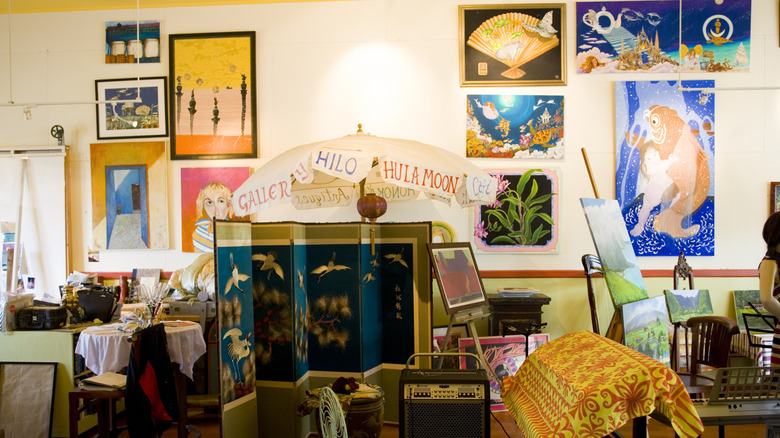
Honoka'a's strengths lie in its history, community, affordability, and quality of life. Though no longer buoyed by sugar, the town has embraced other forms of agriculture — from tea and tropical fruit farms to macadamia and coffee cultivation — sustaining both local economy and rural character.
According to data from Local Observer Daily, the median household income in Honoka'a hovers around $65,882, and the average home is valued near $350,900 — about 53% above the national average — reflecting an admirable balance between rural tranquility and approachable cost of living. Unemployment rates remain lower than U.S. averages, and poverty runs modestly lower, too, painting a picture of a stable, family-friendly community.
Beyond numbers, Honoka'a's vibrant spirit shines through in community gatherings. The weekly Hāmākua Harvest Farmer's Market (which runs on Sundays from 9 a.m. to 2 p.m.) and the First Friday events along Māmāne Street that showcase local produce, music, and eateries all foster a sense of connection you won't find in big cities. If you're looking for a similar experience close to Maui, explore Hāna, a historic Hawaiian town with scenic hiking.
What to explore in Honoka'a and when to go
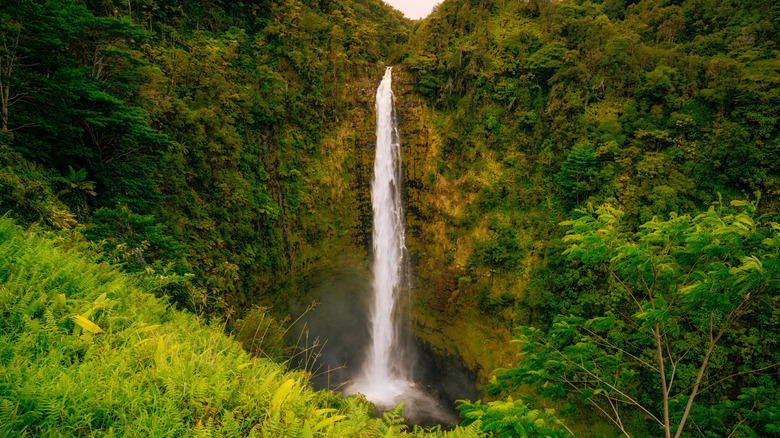
Honoka'a isn't just a great place to live — it's a must-see if you're visiting the Big Island. Start with a stroll along Māmāne Street around sunset, when boutiques and cafes glow with island warmth. Then head just minutes northeast on the Honoka'a-Waipi'o Road to the Waipi'o Valley Lookout, often called "the Valley of the Kings," for sweeping views of dramatic cliffs and cascading waterfalls.
Another great spot: 'Akaka Falls State Park, located about 45 minutes south of Honoka'a near Honomū. Its 442-foot waterfall and lush loop trail make for a memorable hike and will give you plenty of photos to frame in your home. When visiting, summer through early fall offers the driest, clearest vantage points for valleys, waterfalls, and coastal views. Bring your best hiking shoes, sunscreen, bug spray, and a camera to capture the memories. Why not keep chasing waterfalls in O'ahu and discover the iconic Mānoa Falls?
For overnight stays, visitors commonly choose from charming B&Bs or guesthouses near downtown Honoka'a or in nearby Waimea. These offer both comfort and access to local flavor and usually cost around $100 to $250 per night. Honoka'a isn't a flashy beach resort, so you won't find high-end restaurants and spas. It does, however, provide a more authentic, down-to-earth Hawaiian experience that makes it worth adding to your post-COVID bucket list.