

Rick Steves' 'General MacArthur Approach' Is The Secret To A Stress-Free Europe Trip
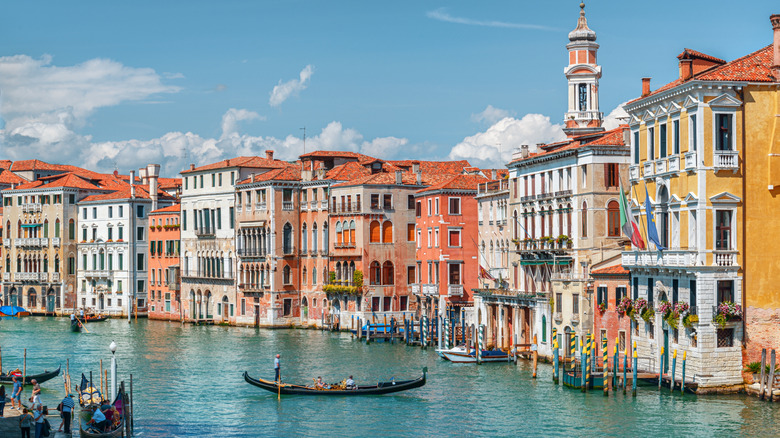
There can't be too many people in the world who know more about European travel than Rick Steves. The renowned guide and author is a veteran of decades of European trips, exploring everywhere from stunning mountain attractions in Switzerland to picturesque seaside villages in Greece. He has a knack for finding interesting, underexplored parts of Europe just as charming as the more famous destinations, as well as being a wealth of information about how to get the most out of the biggest attractions. Booking a Steves tour is as close to a guarantee of a successful vacation as it's possible to get, but his guidance for travelers who want to do it all themselves is just as useful.
Steves has a huge amount of advice on planning a European itinerary. For him, "turning a wish list into a day-by-day itinerary for your European vacation isn't just smart, it's fun." He says that planning your itinerary carefully is the key to a happier vacation, and a great way to "deal thoughtfully with issues such as weather, culture shock, health maintenance, fatigue, public holidays, and festivals".
One thing he highlights as particularly important is his "General MacArthur approach", a reference to a quote by U.S. general Douglas MacArthur in 1943. After retreating from the Japanese attack on Pearl Harbor, MacArthur said, "I came through, and I shall return". Steves advises a similar attitude to traveling in Europe, making manageable plans with the assumption that you'll return to your destination to see anything you missed the first time.
Take your time to explore properly
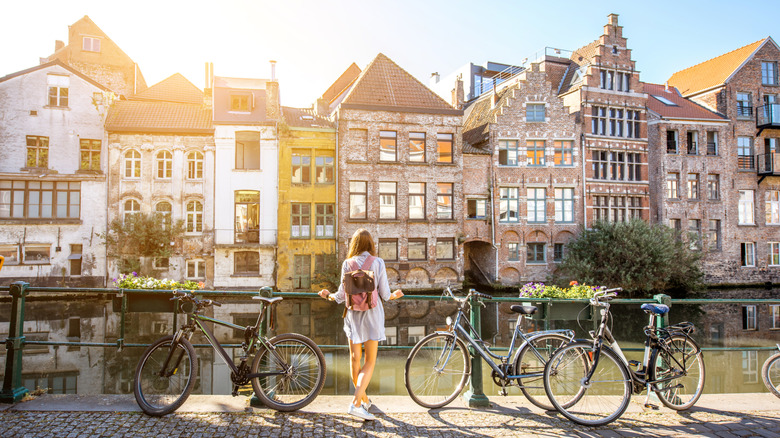
Steves advises travelers that "you can't cover all of Europe in one trip — don't even try". It's a large continent with an incredibly rich history and remarkably diverse cultures, so spreading yourself thin by trying to do too much in a single vacation is a recipe for dissatisfaction and stress. The "key to touristic happiness", according to Steves, is to slow down and enjoy what you're seeing, without worrying too much about what you're missing out on. "If you worry about things that are just out of reach", Steves says, "you won't appreciate what's in your hand".
This approach usually means sticking to one (or, at a push, two) countries, and really diving deep into their history and culture, rather than trying to race around seeing as much as possible in a short time. Packing too much into an itinerary risks making your vacation more about ticking things off a list than actually enjoying and understanding the places you visit.
Of course, it's a good idea to see as much of your destination as you can in the time you have available. It isn't always possible or convenient to return to somewhere you've already visited! Steves isn't suggesting you relax too hard, rather that you explore where you are in-depth, rather than trying to go to too many different spots. He suggests trying to avoid only spending a single night anywhere, and that "even the speediest itinerary should be a series of two-night stands".
How to plan a trip to Europe

Steves' advice for building the perfect European travel itinerary is relatively simple. He advises you start by deciding where you want to go and writing out a wish list, then ensuring that each stop on the way is intentional and has a genuine reason behind it. He says, "Don't visit "Casablanca" because you liked the movie. Just because George Clooney bought a villa on Lake Como doesn't mean you should go there, too".
He also reminds travelers that "to have one full day in a town, you need to spend two nights there", which is vitally important to remember when you're sketching out your itinerary. He also stresses the importance of factoring in travel time, and remembering that although European countries are small by American standards, it can still take a while to get from A to B.
Once you've worked out your plan, you can adjust it according to cost and available time. And don't forget to have fun! For Steves, "filling in the blanks between the flight out and the flight home is one of the more pleasurable parts of trip-planning".