

This Midwest State Was Just Ranked The Most Dangerous For Winter Driving
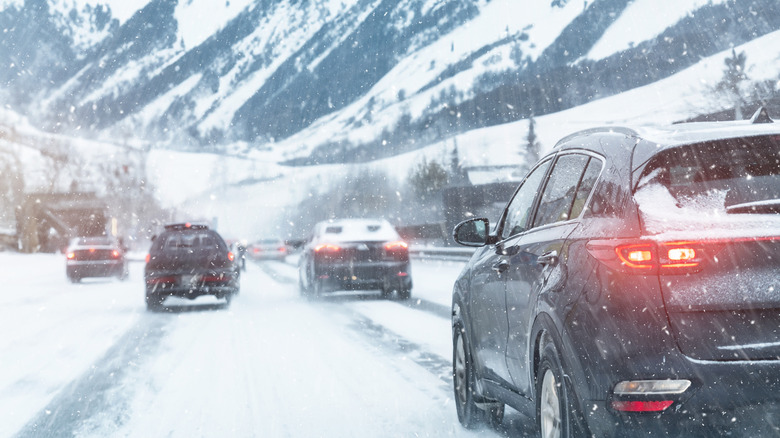
Vehicle drivers might be familiar with the common tip to practice defensive driving, which involves staying alert to surroundings, predicting potential hazards like other vehicles and road conditions, and responding quickly to avoid accidents and fatalities. This strategy empowers drivers to take control rather than passively react to situations, with the hopes of cutting down collisions through attention and vigilance. This method is particularly vital when the weather turns sour, as slippery surfaces and low visibility demand extra attentiveness to maintain safe distances.
As winter approaches, the roadways become far more treacherous, with snow, sleet, and freezing temperatures escalating the chances of car accidents. These conditions test even experienced drivers, and can often lead to skids, reducing braking time, and obscured vision catching many off-guard. Throughout the U.S., driving peril is amplified during winter. and data from the U.S. Department of Transportation's Federal Highway Administration highlights the scope: more than seven out of ten national roadways sit in zones averaging at least five inches of snow a year, and this area is also home to 70% of the nation's population.
Within this area sits the northerly, Great Lake-bordered state of Michigan, which takes the lead for the most fatal winter car accidents, clocking in an average of 39 lives lost each season. These numbers stem from a recent analysis done by MoneyGeek, which drew from the National Highway Traffic Safety Administration's Fatality Analysis Reporting System for crash details spanning 2020 to 2023, combined with Federal Highway Administration figures on vehicle miles traveled, and weighted by safe driving metrics. Over this period, Michigan recorded 156 deaths, a stark number when compared against its annual driving mileage.
Navigating Michigan's winter roads
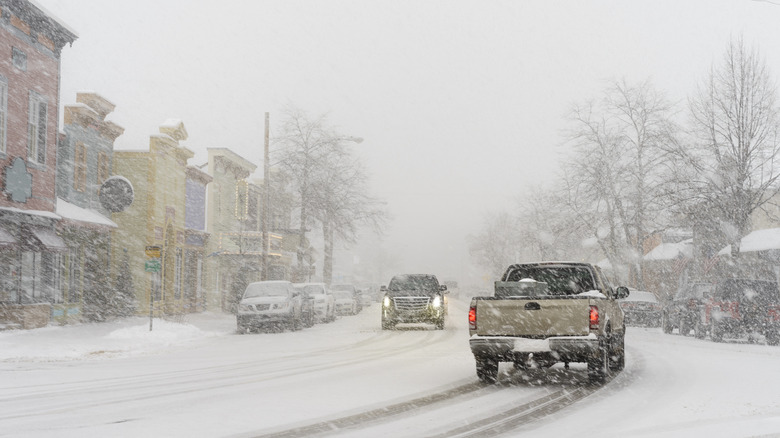
Michigan's top spot is tied to it's geography, with snowfall totals swinging from under 30 inches in some areas to over 200 inches in others. This is largely fueled by the lake-effect patterns in snow belt zones. These areas are downwind from Great Lakes, and trap moisture that dumps extra accumulation in areas further downwind. Seeing that Michigan is almost entirely bordered by these vast lakes, the state naturally invites these amplified winter blasts.
Certain stretches in the state emerge as hotspots for winter accidents. The legal experts at Michigan Auto Law have pinpointed several high-risk segments of road based on accident patterns, including the eastbound lane of I-94 from 41st Street to Paw Paw Road in Van Buren County. Northbound I-475 near the Atherton Road ramp to South Grand Traverse Street in Genesee County, Eastbound I-96 from its crossover to 68th Avenue in Ottawa County, and westbound on I-94 between 66th Street and the north county line in Van Buren County see high amounts of wintery mishaps.
To counter these threats and promote safer driving journeys, reduce driving speeds to match conditions, and allow ample time to arrive without the need to rush. Remember that not all hazards are visible, like black ice, which can look like a completely normal piece of highway, but actually be a sheet of ice. Use proper winter tires, do regular vehicle checks, keep a first aid kit in your car, and always clear off snow and ice from your vehicle before heading out. If you're trying to get to a lovely American City the feels like a European Destination, American's beer city, or Michigan's 'Tulip City', it's best to go safe and slow so you actually make it.