

This Charming City In Europe Boasts Stunning Medieval Architecture And Historic Sights
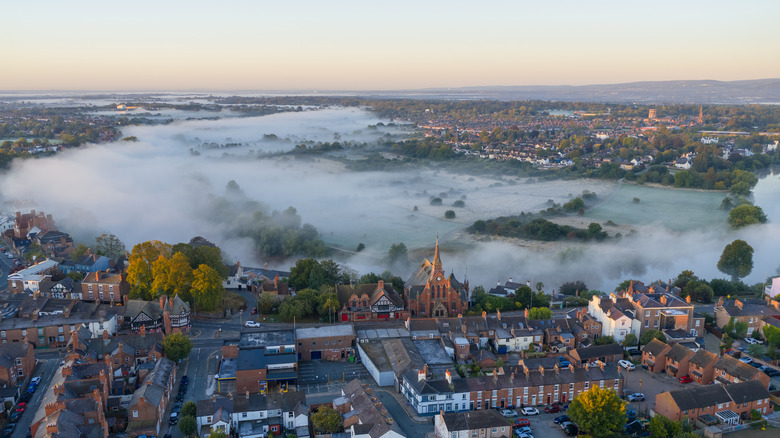
When it comes to well-preserved medieval towns in Europe, England is hard to beat. From the cramped alleys and towering Minster of York in the north, to the gorgeous cobbled streets and half-timbered houses of Rye in the south, there are English towns and villages across the country that feel like they haven't changed in centuries. This is partly because conservation and preservation of heritage has always been important in the UK, and partly because there are just so many places that are really old! England really is a game-changing place for history buffs to visit.
The town of Chester doesn't always get the recognition it deserves as a vacation destination, but it is one of the finest historic places in England, and very much a medieval town you don't want to skip when visiting Europe. It boasts a stunning cathedral, remarkably well-preserved Tudor architecture throughout its historic center, and is surrounded by the most complete medieval city walls in Britain, rivalling the Roman city walls of Lugo in Spain as a historic monument.
Chester is a historic town in Cheshire, a county in northwest England. It is located on the Welsh border, about 40 miles southwest of Manchester and 20 miles south of Liverpool, both under-the-radar destinations that are just as fun as London. Trains to Chester run direct from London, Manchester, and Liverpool, making it incredibly accessible for travelers already visiting England. The nearest airport is Liverpool John Lennon Airport, just 25 miles away and around 40 minutes by car, while Manchester Airport is similarly accessible, 30 miles away and 40 minutes by car.
The most complete city walls in the UK
Chester was founded by the Romans in 79 AD as a military outpost designed to maintain control over the Empire's northern provinces. It was an important city throughout the early Medieval period, and it was one of the last cities to be captured by William the Conqueror during the Norman conquest of England.
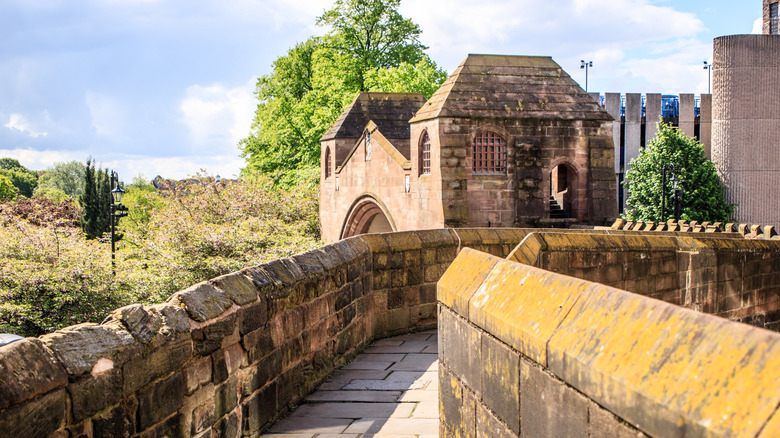
The city's standout attraction are its impeccably-preserved defensive walls, running the entire circumference of the city, with the exception of a small 330-foot section. Visitors can walk almost the entire circuit of two miles on top of the walls, imagining what life as a guard might have been on patrol, with excellent views across the rooftops of the city on one side, and over towards the misty Welsh mountains on the other.
The next most impressive part of Chester's incredible medieval past are the Chester Rows, a street of arresting white and black half-timbered Tudor houses and shopfronts which run along Bridge Street to the Chester Cross, the marker of the center of town. Today, the covered galleries of the Rows house boutiques and independent shops, making Bridge Street a lively, bustling spot throughout the week.
Finally, Chester's stunning cathedral, built by the Normans in 1092, is unmissable, a Grade-1 listed Gothic and Romanesque beauty built of red sandstone, complete with free-standing bell tower and Early English Gothic monastic chapter house. Chester's castle has sadly deteriorated over the centuries, but the remains can still be visited as part of a city walls walk.
One of Chester's most surprising medieval attractions is its racecourse, where recorded horse races have taken place since 1540. While there aren't any elements of the original course left, the track sits directly next to Chester's medieval walls, which adds a delightful historic element to a day out here.
Roman ruins and Victorian grandeur
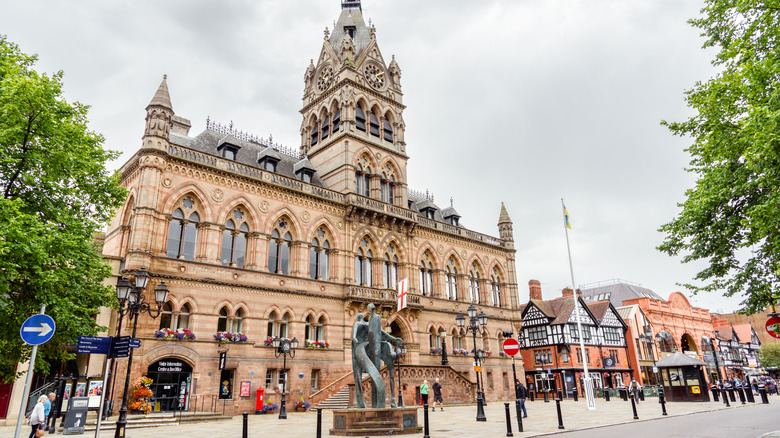
Of course, with such a long and storied past, Chester offers impressive historic sights from a wide range of periods and eras. The city boomed during the Victorian period, and the stunning Gothic Revival town hall, opened in 1869, dominates the center of town. It boasts an eye-catching sandstone exterior, an exquisite wood-panelled council chamber, and some wonderful examples of Victorian stained glass.
Another major historic attraction is the Grosvenor Museum, housed in a splendid red-brick Victorian building. It exhibits some excellent paintings and works of art as well as a superb collection of Roman artifacts. Chester also boasts the Eastgate Clock, the second-most photographed clock in the UK after Big Ben. The Eastgate Clock was erected to honor Queen Victoria's Diamond Jubilee in 1899.
Roman history is still an important part of Chester, and ruins and remains can still be found throughout the city, sometimes even popping up in the basements of houses and shops! The highlight is the archaeological site of an impressive amphitheater, located just outside the city walls, which offers a glimpse into everyday life for the 20th Legion, who were stationed here during the Roman occupation of Britain.
As well as ruins and ancient buildings, there are plenty of ways to explore historic Chester in a more interactive, immersive way as well. The Deva Roman Experience takes visitors on a trip back in time to experience life as a Roman soldier surrounded by the sights, sounds, and smells of the past. Falconry shows in the cathedral gardens let you discover the ancient art practiced by medieval nobility, and a walking tour of Chester's historic pubs, like the 17th-century Pied Bull, is a delicious, refreshing, and fun way to get to grips with history.