

The Ultimate Road Trip To Explore All Of California's Breathtaking National Parks
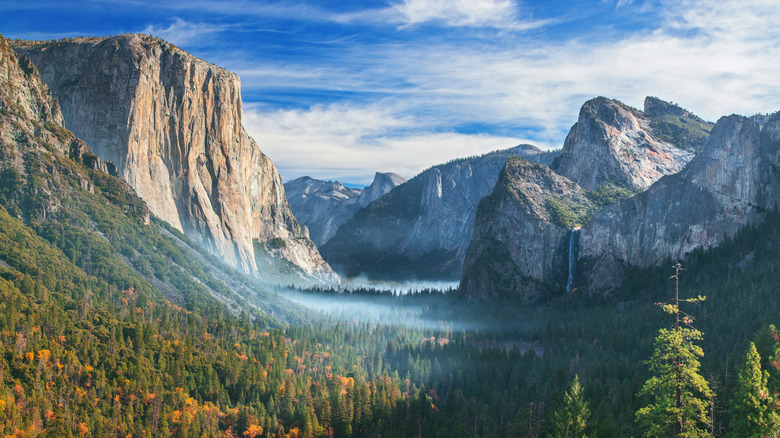
California tally's up to nine national parks, holding more natural treasures than any of the other states in the country. Each park is unique and has distinct offerings, from the towering redwoods and the scorching deserts to the magnificent marine biodiversity and granite domes. This thrilling road trip to explore the breathtaking national parks of California starts and ends in San Francisco, but could begin anywhere along the route. It weaves through all nine parks in a loop, covering almost 2,000 miles. Designed for spring or fall to avoid extreme weather and road closures due to snow, it's a journey that promises adventure, solitude, and awe. With careful planning for accommodations (national park accommodations fill up extremely fast during peak season) and an America the Beautiful Pass for entrance, travelers can enjoy all the peak experiences this state's national parks have to offer.
The best time for this road trip is spring or fall when temperatures are moderate and most park roads, such as Tioga Road in Yosemite, are open. Summer does bring scorching heat to Death Valley, while winter might close high-elevation routes in Yosemite, Lassen, and Sequoia. On the other hand, spring brings wildflowers in abundance while fall provides crisp air and fewer crowds.
Accommodations for this multi-day trip require advanced planning, especially during peak season (the summer). Reservation systems are in place for peak season visitation too, so plan ahead. Most parks offer campgrounds, cabins, or hotel accommodations, and space fills quickly. Campsites are available six months ahead of time.
Scenic wonders: Redwood, Lassen, Yosemite, and Death Valley
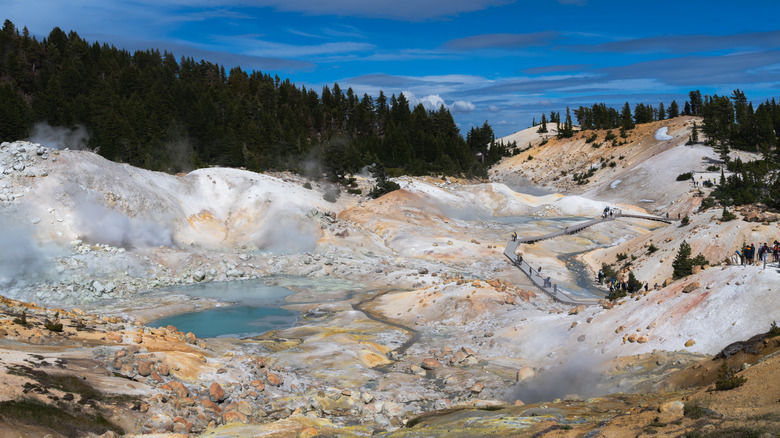
From San Francisco, the trip takes you north on US-101 for about 280 miles to Redwood National and State Parks. The coastal highway hugs the beautiful coastline before plunging visitors into forests that tend to the world's tallest trees, some over 375 feet tall and over 2,000 years old. Hike the Tall Trees Grove or drive the Avenue of the Giants for a moment of humility standing next to the legacies. For the next stop, travel about 210 miles southeast to Lassen Volcanic National Park. The landscape shifts from lush coastal redwoods to volcanic unearthly terrain. Visitors are met with piping fumaroles and mud pots at Bumpass Hell, a geothermal site that makes you feel like you're on another planet. For panoramic views of the park, aim to climb Lassen Peak, a volcano in the Cascade Mountain Range.
After Lassen, head about 250 miles south to Yosemite National Park as volcanic vistas make way for glacier-carved granite domes, meadows, and valleys. Yosemite's iconic El Capitan and Half Dome rise above deep valleys, and waterfalls such as Vernal Falls or Bridalveil Falls roar in the background. Hike to Glacier Point for the most magnificent views of Yosemite, explore Tuolumne Meadows alpine lakes, or try your chances at rock climbing at this seminal climbing destination. Taking off from Yosemite, drive about 200 miles south to Death Valley, transitioning from the lush meadows to a stark desert. This is the lowest, hottest, and driest park in the United States. Check out the stunning Badwater Basin salt flats, which sit at about 282 feet below sea level. Zabriskie Point's colors dazzle during sunrise, and stargazing here is unmatched.
Deserts to islands: Joshua Tree, Channel Islands, Sequoia & Kings Canyon, and Pinnacles

For the next park, head about 230 miles to Joshua Tree, where the Mojave and Colorado Deserts intertwine. Twisted Joshua trees and massive granite boulders give this park a surreal landscape. Hike the Ryan Mountain trail during sunset or kick back and watch the rock climbers. After exploring the desert, drive 290 miles west to Santa Barbara, the launching point for Channel Islands National Park. Take a ferry to Santa Cruz Island to explore this park considered the "Galapagos of North America" due to its abundance of endemic species and marine sanctuary. Kayak around sea caves or scuba dive in vibrant kelp forests for immerse experiences.
When you've hung up your towel, travel about 220 miles north to Sequoia and Kings Canyon National Parks, where kelp forests are replaced with towering sequoia trees. Visit General Sherman, the world's largest tree by volume, and hike Little Baldy trail for an epic sunset. When you're done walking with the giants, it's about a 160 mile-drive to Pinnacles National Park — the final stop. This volcanic wonderland of spires and talus caves is great for birdwatching, rock climbing, or hiking. It's a lesser visited "sleeper" national park worthy of exploration. This roadtrip captures the full spectrum of natural abundance in California: ancient forests, volcanic peaks, scorching deserts, and underwater diversity.