

The Important Item Tourists Need To Have On Hand When Checking Into European Hotels

Imagine that you've just arrived in Rome or another European destination. You're tired, hungry, and longing for a hot shower in a hotel after a long day of travel. But, somehow, you're unable to check in, all because you don't have your passport on hand. You'd be shocked and annoyed at the same time, but here's the truth: It's not just a hotel policy, but in fact a requirement by the government. So, apart from helping you get through airport security, passports are also needed in hotels in many European countries for guests who are over 16 years old. In countries such as Spain, hotels are legally required to submit the details of every guest to the local authorities, usually within 24 hours of arrival. This is applicable to both citizens and foreigners, and it generally serves as a measure for ensuring public safety.
When you check in, the hotel staff might either photocopy your passport or manually record your details such as your full name, nationality, date of birth, and passport number. While this might be unusual to many travelers from countries where passport requests are not routine, it's certainly not optional in Europe, as lack of compliance could mean you won't be getting a room. In some places, you might even have to leave your passport for a few hours while the hotel processes the registration paperwork. But make sure to get your passport back as soon as possible, and don't leave without confirming its return.
How does this European passport rule affect your experience?
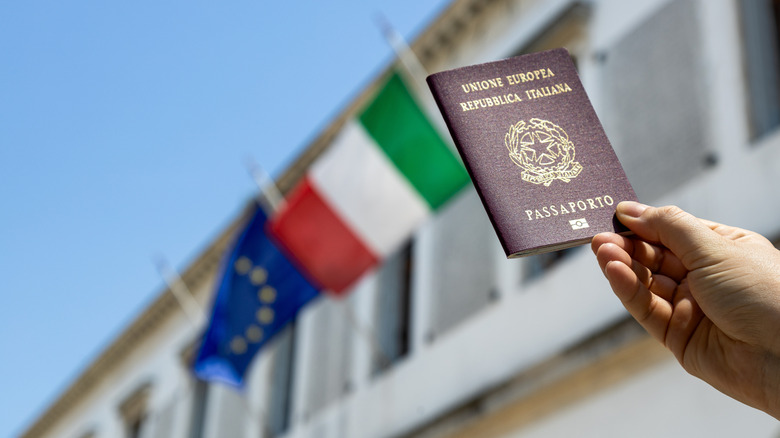
One of the impacts of this requirement for tourists is that you may not be able to use a digital copy of your passport for the check-in process. Although a scanned passport might be useful as a backup, especially in case of loss, hotels are generally obligated to check the physical passport in order to verify its authenticity — especially considering the possibility of photo editing and other falsifications. This means that your physical passport has to be kept somewhere that's safe and easily accessible when you get to every new destination.
It's equally worth knowing that this rule doesn't apply to hotels only. It also applies across a wide range of accommodations, guesthouses, bed-and-breakfasts, and even short-term rentals like Airbnb, as long as they operate under local hospitality laws. In France, for instance, even campsites are required to complete what's known as a "fiche individuelle de police" (individual police form) for tourists. Additionally, it's advisable to stay aware of other specific necessities regarding passports, one of which is the fact that you might want to avoid putting souvenir stamps in your passport.
Tips for handling your passport while complying with the rules
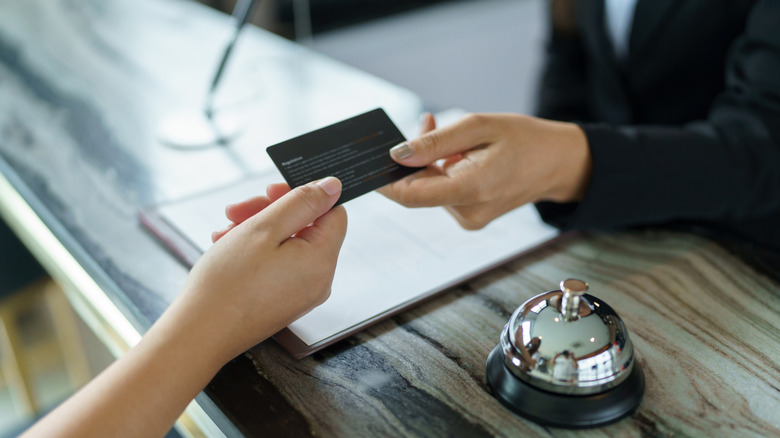
Keeping your passport handy is one of the top-tier travel tips you should always follow. So, avoid putting it deep in your luggage, or anywhere too far away that can delay check-in or cause unnecessary stress. This tip is even more important for tourists moving between different European destinations — which probably means multiple accommodations — since they'd most likely be presenting their passports several times. In addition to that, consider keeping your passport in a travel wallet or neck pouch that can be tucked under your clothing for safety against pickpockets and for easy reach.
In some regions where a hotel might ask to keep your passport overnight, it's necessary to be cautious. Note that you can politely request that they make a photocopy instead or let you wait while they process the registration. In case they insist, just ensure to get a receipt or a note that confirms they have your passport, as this can help if there's ever a dispute. Finally, even though digital copies of your passport can't be used in place of the physical ones at hotel check-ins, it's still wise to have a digital version or a printed backup. This helps to speed up replacement processes, should you lose your document.